NEWS FROM AROUND THE GLOBE BROUGHT TO YOU BY THE ICBC

Author: Marguerite Arnold

berlin germany flag

Why Are Medical Sales In Germany Leveling Off?

According to Barmer, one of the largest statutory health insurers in Germany, the great “cannabis hype” is over – but is this really the truth?

If you are the CEO of Barmer, one of the largest German health insurers, it is easy to look at numbers and be copacetic about the cannabis status quo. Indeed, CEO Christoph Straub has made the headlines in Germany of late, proclaiming that the “big hype about cannabis seems to be over.”

Straub attributes the drop in applications to a “more targeted use.”

But is this really true?

Even five years ago, about 40% of applications were being summarily denied. The fastest way to get such approvals was, certainly for this population of patients, to sue their insurers.

The reality is that the insurers are not really on the front lines of approvals. The MDK, a state-by-state entity is actually still the last word on approvals. And they are still singing the same old tune.

The MDK is Ignoring the Latest Medical Studies

Patients who have had to struggle to first find doctors and then submit their applications through the system have a different perspective than a self-satisfied (non-sick) corporate executive.

Even when they have multiple doctors writing letters for their approvals, the MDK is more intent on turning down patients than approving them, and in particular, citing studies that are often outdated.

They are insulated by the insurance companies, who are themselves pointing fingers at the MDK.

Straub himself told Deutsche Apotheke, one of the larger professional zines in Germany that “further studies will be needed to better understand the complex mechanisms of action of cannabis and to integrate them into individual treatment concepts.”

However, as many patients will attest, even when they or their doctors include cutting-edge studies in their applications, these are ignored by the MDK committees of “experts” who have little interest in changing the way severely ill patients are treated, and even more certainly, with cannabis.

A Catch 22

Patients right now are caught in a terrible trap. They can decide to sidestep the process of approvals altogether and just go to a private doctor. However, this, along with the cost of prescriptions, makes this option completely unappealing if not financially feasible. What it does prove, however, is that the MDK has a different standard for treating the seriously ill than frontline doctors.

Beyond this, patients often still have to turn to the black market – and this obviously is dangerous and almost as expensive. Growing your own remains highly hazardous.

Regardless, it is clear that health insurers and the MDKs beyond this have managed to essentially stop the medical cannabis revolution in its tracks. The only way for the industry to grow and patients to gain at least legal protection that comes with decriminalization is through full and final reform.
Germany

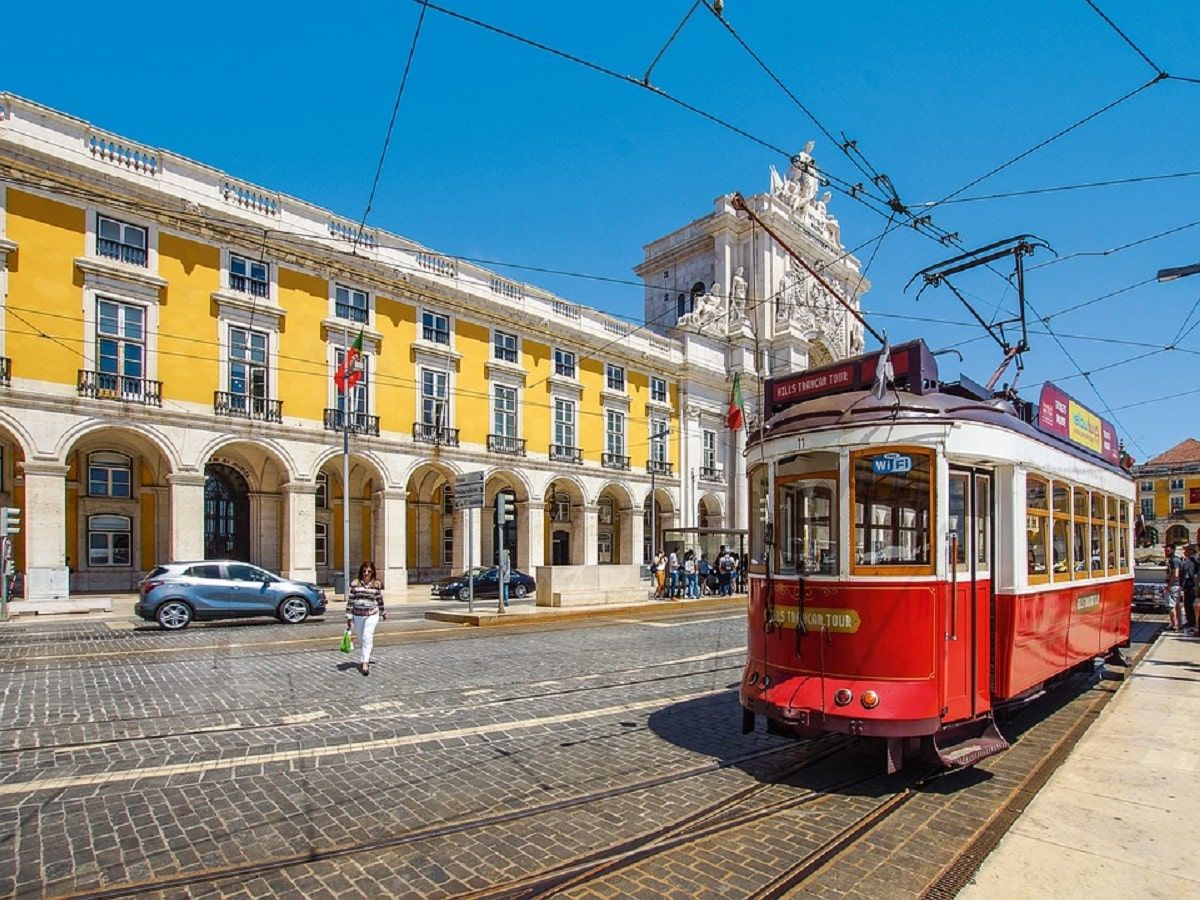
lisbon portugal

Is Portugal On Track To Be The “Export King” Of Europe?

The EU member country’s exports rose by 566%. Is the country on track to supply Europe?

Portugal’s cannabis exports exploded in 2021, creating a volume almost six times higher than the year before. Ten tons of cannabis were exported in 2021, according to information from Infarmed, the national medicine authority. What gives?

Portugal has played an interesting role in cannabis reform across Europe for the past five years. In 2017, Tilray astounded everyone in the industry by pulling out of the German cultivation bid to establish a growing facility in the country. Since then, the cultivation industry has grown here, in part because of more favourable legislation and a licensing process that is not set at a limited number (like both Spain and Germany). There are currently 18 companies authorized to grow cannabis for export, although Tilray remains the only company with the authorization to sell flowers (with 18% THC). There are 80 more cultivation companies awaiting inspection but who also have obtained a pre-license.

Other EU Countries Are Not Moving Forward with Cannabis Cultivation

There are several reasons that Portugal is shaping up to be a major export player across Europe, starting with the fact that most other countries with similar climates as well as cheaper labor rates have just not allowed the industry to flourish. In the meantime, the demand for medical-grade cannabis has not abated, starting in Germany. Beyond this, even other EU countries with plans to allow recreational reform are not planning on cultivation. Switzerland is currently the one exception and of course, it is not an EU country. That is also likely to change as the demand for recreational cannabis grows.

So, while the authorizations in Portugal might be slow, they are at least in process. In most other European countries, this kind of pipeline has just not been created. In Spain, for example, in direct contrast, the authorities have refused to even consider granting new cultivation licenses because they do not want them to be auctioned to the highest bidder. Greece has also, despite the early interest and clear indications that they also wanted to be at least in the export market, just not kept pace.

Implications For Certified Cannabis Across Europe

Beyond cultivation opportunities, there are also activities in the country that are allowing Portugal to become not only a major exporter, but a pass-through gateway for the rest of Europe. Many companies are setting up shop exclusively to recertify GACP cannabis from the rest of the world as EU GMP so it may then also be sold as medical grade.

Cannabis “from Portugal” in other words is likely to end up in almost every country in Europe if it has not already, and for all of the above reasons.

portugal

cannabis plant flower garden

What Is THC-O?

A new cannabinoid is on the horizon – but many questions remain about how it will fit into a regulatory framework

THC-O is a new cannabinoid in town – at least in the US. It is currently unknown in Europe. Three times stronger than THC, it also has psychedelic qualities – although this is far from a naturally occurring cannabinoid.

Extracted from hemp plants, it also takes several steps to create it. It is also a synthetic “analogue” of THC. As a result, there is a great deal of debate about whether it is safe or not.

How Is It Made?

Making THC-O is a three-step process. Cannabidiol must first be extracted from hemp. Then delta-8 must be extracted from the CBD. Finally, an organic solvent – acetic anhydride is applied to the delta-8 molecules. This removes all terpenes and flavonoids and leaves behind a flavor free, scentless, and thick oil which is essentially a THC isolate.

This isolate is highly bioavailable, meaning it is easily absorbed by the human body.

Is it “Legal?”

For now, the answer is yes and on a federal level in the US at least, but do not expect this to last – just as Delta-8 has also been increasingly regulated out of existence. THC-O is derived from hemp and contains no delta-9 THC. However, the potency and chemical composition suggests that this is also analogous to THC, and thus may very well fall into a Schedule I designation as soon as regulators catch up with the market.

How is it consumed?

Most of the available information suggests that THC-O should not be smoked but ingested orally as it must be metabolized to take effect. That said, it could be that this extract has potential uses in edibles.

Cannabis patients, with increasing tolerances might also find that this is a solution to effectively deal with pain management. Most chronic pain patients find that they must use increasing amounts of high THC cannabis to control their conditions.

Regardless, it should be consumed with caution. There is no scientific data available about its impact on the human body, and certainly not longer term.

Is it safe?

Right now, this is a cannabinoid on the forefront of cannabis science, which is also far ahead of conventional science. This puts THC-O in a long line of cannabinoids that have yet to be effectively studied.

Because it is extracted, it also requires a clean and professional extraction process.

Bottom line? This is a cannabinoid in progress. Stay tuned.

thc-o

human brain

Hunger Signals From Endogenous Cannabinoids Mapped In The Brain

Cannabis is well-known to influence eating habits. Why and how this works is still not understood

How natural cannabinoids – also known as endocannabinoids – work to stimulate hunger is not well researched or understood.

A new investigation by Masoud Ghamari-Langroudi, a research assistant professor of molecular physiology, biophysics and pharmacology at the Warren Center for Neuroscience Drug Discovery in Nashville, Tennessee may change that.

The research by Professor Ghamari-Langroudi has revealed how endocannabinoids modulate “feeding cells” in the brain to regulate body weight.

The study expands on his previous work regarding MC4 receptors – which are crucial in regulating energy homeostasis – the balance of energy intake and expenditure in the body. MC4 receptors are implicated in a variety of disordered behaviours, including both anorexia and obesity.

To study the same, he used a variety of techniques including behavioural studies, gene expression analysis, hormone assays and electrophysiology to map brain circuits associated with both cannabinoids and eating behaviour.

Got The Munchies?

Beyond the stereotypes about the “Munchies” – the desire to eat after smoking cannabis – not all users get hungry. There is also not much research on why this might be. Cannabis is frequently used by patients to stimulate appetite – particularly if they are AIDS or cannabis patients and suffer from chronic and ongoing pain and nausea.

However, outside of this group, ingesting cannabis is not necessarily associated with hunger stimulation. Chronic pain patients with movement disorders, for example, routinely report that ingesting cannabis does not stimulate an urge to eat. While some studies have suggested that externally ingested cannabis may only cause the urge to eat based on dosage, this is also clearly not the case with long term chronic pain patients who also have higher tolerances for the drug and use more than the average recreational user or even new patients.

Beyond this, there is some evidence that certain strains tend to stimulate hunger more than others. For example, sativas tend to provoke hunger less than indica strains. Indica strains are usually used to control chronic pain and are often used as a sleep aid. This is also the kind of cannabis most associated with “couch-lock” – the term used to describe the relaxed immobility that unfortunately has long been associated with negative stereotypes about cannabis users.

There is also anecdotal evidence that smoked cannabis tends to stimulate appetite more than other forms of ingestion, including edibles and oral ingestion of extracts.

Beyond this, there are also theories that cannabis users can have their appetite increase because their senses are far more attuned to sensations.

brain

germany flag

A ”Recreational Cannabis Referendum“ For Germany?

A German constitutional law professor is proposing that Germany should change its Basic Law to allow Germans to tell the government to slow down on recreational cannabis reform.

The new traffic light coalition has said it will legalize recreational cannabis. However, many Germans still think this is a step too far, even though the parties who are currently administering the government all had pro-legalization platforms in the last national election.

One of them, a constitutional law professor by the name of Hermann Heußner, believes that instead of legalization by the government, the country should hold a referendum on the topic first.

There is only one small problem with this. There is no provision for such a referendum in the country’s constitution, or so-called “Basic Law.” If the government decided to hold such a referendum, it would also have to change Germany’s constitution first.

As delaying tactics go, this is certainly a novel idea that has not been utilized before.

The only problem is that this could push legalization of recreational cannabis back by years. Berlin, the nation’s capital, is a city-state and does have the ability to create referendums. Most recently, Berliners held a referendum to expropriate large real estate corporations.

However, using Berlin as an example in this instance is hardly helpful.

How To Proceed with Cannabis Legalization in Germany?

The reality is, as most people agree, that prohibition has failed just as spectacularly in Germany as everywhere else. The costs associated with literally policing the population, are high. Cannabis is the most widely used “illicit” drug in Europe. And Germany, just like everywhere else, can certainly use not only new kinds of jobs but the tax income that will certainly result in this kind of change.

The problem is that a majority of Germans still are not persuaded that full legalization is the answer. As late as December 2020, a national poll showed that Germans still did not want recreational cannabis reform. Even so, it became a large campaign issue and ended up creating a three-party government, all of whom are committed to recreational reform in some form – even if they are now putting it on the back burner to deal with more “pressing” issues like Covid and the Russian war with Ukraine.

In the meantime, patients continue to be prosecuted for being sick, and those who merely want to smoke a joint after work continue to fall into harm’s way if the police catch them with more than 6-15 grams of cannabis.

The saga continues. Stay tuned.

Germany

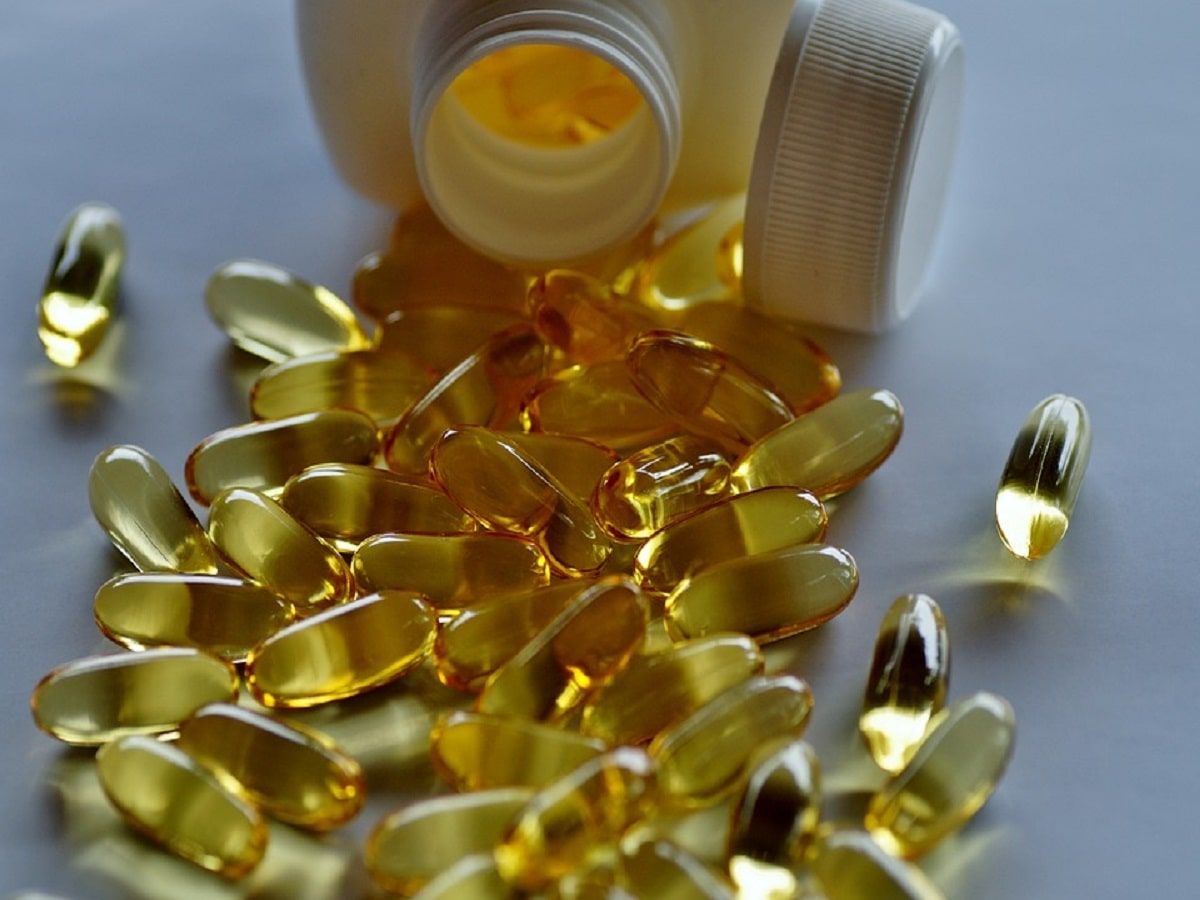
pharmacy pharma pharmaceuticals gel capsules

The Year Of Pharmaceutical Cannabis?

What will 2022 look like from a cannabis industry perspective in Europe?

There have been multiple commentaries on the shape of reform in Germany, as well as the timetable this year. Namely, is 2022 the year (finally) of adult-use reform or is it the year that large, established pharmaceutical companies move into the industry?

Adult Use or Medical Reform?

Just about everyone now expects adult-use reform in Germany not to occur this year and for reasons that range from enduring Covid to the Russian war with Ukraine. 

This means that the only way the industry must grow is the CBD market and the medical side of the equation.

In an environment where health insurance companies and the MDK, the state-based organization tasked with final approval of medical cannabis for patients, are not approving new patients (numbers for patient approvals have been essentially flat for the last two years) this does not spell particularly good news for those who make their livings on the pharma side of the equation. Pharmaceutical companies are interested, just like anyone else, in volume and profits. With no growth in prescriptions, the industry is currently in a steady state. Mergers and buyouts are also likely to continue as pharma side companies struggle to make money in an industry that is still pricing on a retail, rather than wholesale, level. Introducing expensive new cannabinoid-based drugs into the market will also not solve this problem. Indeed, it may make it even harder for patients to get approvals in the future.

A Looming Price War

What is likely to happen this year is that the outrageous prices and overheads slapped on cannabis may begin to go away. This is an industry so far built on finding loopholes for just about everything, including its ability to exist. In the meantime, the now widespread practice of importing GACP cannabis from usually developing economies to Portugal or Spain and “converting” it to EU-GMP cannabis is likely to change. For every certification “hop” a usually high surcharge is slapped on the plant, and on retail rather than wholesale amounts.

What that means in the long term is that GACP qualified cannabis is reaching medical markets like Germany, repackaged as GMP. In the long run, this is not a sustainable business model. Neither is the practice of charging a standard amount per gram of certification in Germany.

Beyond this, there is the matter of global competition. Companies that have been delayed by Covid are now entering the market in countries both in and outside of the EU with their own flos and oil extracts. This means that the prices for the same will drop – certainly at the cultivation end. 

In short, there is no clear path for the industry this year, and from any quarter. And this will continue to be the case until full and final reform actually comes.

Be sure to attend the International Cannabis Business Conference in Berlin and Zurich for updates on the legalization of cannabis, and market trends!

Europe, Germany

pharmacy

Pharmacy Vs Dispensary: The Shape Of German Rec Reform

What is the model for recreational distribution likely to be in Germany?

Last fall, the new Traffic Light Coalition promised to enact recreational cannabis reform in Germany. However, beyond the actual schedule of reform, which has now been informally delayed until at least next year and 2024, there are already debates and discussions about what that reform might look like. 

This starts with what kind of regulated outlet cannabis can be sold at.

There has been some discussion of following the Swiss model – namely to start by dispensation via pharmacies. This of course would make sense as pharmacies are already in the business of cannabis dispensation. Further, a working model right across the Swiss border could be applied directly to the industry.

This idea however so far has not been uniformly embraced as many in the industry see their futures as running cannabis “dispensaries” more akin to the US or Canadian model. This would require stores to be separately licensed. The process of setting up such a system would inevitably take much longer and be fraught with the same issues that have arisen in North America. Namely, how would such licenses be dispensed and who would be eligible to receive them.

A Dispensary Rush?

In the United States, the process of obtaining dispensaries in many states was introduced by lottery. This benefitted those with money and political connections and largely left out everyone else. 

Beyond this, there is also the issue of where such dispensaries or stores would be located, if states and municipalities refuse to allow the same, this could also lead to additional problems for the industry, akin to what has already occurred in every single legalizing jurisdiction in North America and Holland so far.

What Does the Industry Want?

The further problem the looming legal dispensation of cannabis will create splits in the industry itself. There is no consensus from the medical cannabis pharmacies about whether they want to sell adult-use cannabis. 

Beyond this, being Germany, the entire discussion of which regs will apply (and to whom) looms large. This is particularly true given the police habit, so far, of indiscriminately invading premises and penalizing both companies and individuals under the German Narcotics Act.

The bottom line, no matter when the legislation for adult use comes, is that there is going to be another big fight looming, this time within the industry, particularly for those who have also established “CBD stores.” Complicated of course, by continued police intransigence to cannabis reform itself.

Be sure to book your tickets now for the upcoming International Cannabis Business Conference events in Berlin and Zurich!

Germany

European flags

European Cannabis Spring Update

Spring is here! What is going down on the European Cannabis front?

Spring is here, and there are some interesting developments on the reform discussion front. Covid is receding but there is a big complication in the room right now. Namely, the Russia-Ukraine war.

Where and how much will cannabis reform progress this year?

Germany

All eyes are on Deutschland now. The Traffic Light Coalition promised reform, but the reality is that they are not putting this on the top of their agenda. First it was Covid. Now it is the evolving crisis in the East, along with all the complications which came with it – including sources of energy as well as overall inflation and an influx of refugees. Regardless, it is also clear that the German industry will not go away – and further that those who are in the medical space already are eager to expand into a new vertical.

Insiders say that rec reform is not likely to move legislatively, let alone any other way this year. In the meantime, lawsuits are afoot to define the legal status of imported hemp flower in the German market.

Beyond this, there is also clearly foreign money again looking to Germany to figure out where, when, and how to land. Go in too early and there is every possibility of being hung up on more legislative wait and see. So far, there has been no “too late.”

Switzerland

All eyes are on der Schweiz this spring. The country, while outside of the EU, is the first European country to move forward on a recreational trial that feels like one (in other words, not just seeds). Vendors are now getting ready for product launch via their Cantons. Stay tuned for further developments. From a pure reform front, this is the market with mo this year.

Malta and Luxembourg

The first technically “rec” markets in the EU (beyond Holland) are likely to better define rules this year. A seed market is a good start, but most people are not likely to want to grow their own.

France

The last major economy in the EU has finally bowed to the inevitable and even legalized the cultivation of medical cannabis this spring. However, there are many fights ahead, even as courts helped open the way for the sale of CBD flower.

European Victories

All is not doom and gloom, let alone wait and see. There have been some concrete victories this spring – namely the approval of novel food applications and an agreement on the percentage of THC allowed in hemp and hemp seeds on a regional basis. It may be slow, but at least it is moving.

Bottom line? There are many excuses being used by legislators to keep reform from the front burner – all of which ring hollow when the economic boon legalization will bring is factored into the equation. Europe needs this industry, no matter how many other global or even regional crises arise in the meantime.

Be sure to book your tickets to the Berlin International Cannabis Business Conference this summer!

Europe

London England

National Cannabis Awareness Campaign Launched In UK

BRITISH CANNABIS launches new awareness campaign for CBD products

It is not that the British don’t want cannabis reform. They do. It is just their government that does not want to move any faster for (fill in the blank) reason. This is not new. Majorities of populations are all moving into the cannabis reform column as political reform follows, sluggishly, behind.

BRITISH CANNABIS, however, an independently owned producer, manufacturer, and distributor of legal cannabis-derived products, has decided to educate the public about CBD (and of course their own products in the process). The campaign is part of a $650,000 marketing campaign to reach health-conscious British consumers over the age of 45.

It will be broadcast on the SKY and Channel 5 networks, marking the first time SKY has allowed cannabis advertising on its channel since 2019.

The company also began selling its products on eBay this month.  

Changing Times

The British cannabis question generally, is in a strange place – namely still very much a grey area. London Mayor Sadiq Khan is moving forward with a pilot plan of decriminalization for London. Other areas may follow suit.

In the meantime, illegitimate operations are being raided by the police, including in abandoned buildings and (even more embarrassingly) in city centres.

Larger entities are beginning to establish themselves (like BRITISH CANNABIS) although it is still a hazardous business.

The ability to advertise is also a clear breakthrough in the entire discussion. This is still a contentious discussion just about everywhere in the American and European media markets.

Could it be that the British are finally evolving with the times?

A Long and Torturous Road

Patients are still finding it very difficult to access cannabis. Project TWENTY21, which was supposed to register 20,000 patients has, so far, only managed to enlist 2,000. Beyond that, it is still a game where only those with money can access cannabis anywhere near “legally” and that only after a major bureaucratic struggle.

Most consumers are still left out of the legal market.

Perhaps this is why the latest campaign is geared towards older consumers. They are the ones with the most money, although thanks to both Brexit and Covid, combined with rising oil prices, inflation shock is rife in the UK.

However, beyond such encouraging steps, there has been little news about the forward progression of reform in the UK so far this year.

For the latest updates on evolving cannabis business news and regulation, be sure to attend the International Cannabis Business Conference in Berlin and Zurich this summer!

United Kingdom

cannabis hemp leaf

Australia And New Zealand Renew Commitment To Medical Cannabis

The APAC region of the world continues to develop its medical cannabis industry – but no word yet about further reform

Australia and New Zealand may well be “down under” but they are continuing to develop their medical cannabis sectors.

In Australia, the British study and trial Project Twenty21 has announced that they are expanding to the country. Project Twenty21 was launched in 2019 in the UK. The goal was to establish a national body of evidence about the efficacy of cannabis and provide patients with cannabinoid medicines at a discount. The additional cost was underwritten by licensed producers who agreed to participate. Patients had to agree that their medical data could be collected by the organization managing the effort – Drug Science.

The plan originally was to enrol 20,000 patients by the end of 2021, but so far, only 2,000 patients have joined the study. The project has been extended in the UK until the end of this year. In the meantime, the project will unroll in Australia. Releaf Clinics will be the local partner organization. Study participants will have to complete annual questionnaires and attend the participating clinics. Current users of cannabis will be excluded from the trial, which is expected to enrol about 1,000 patients.

Just a skip and a hop across the Tasman Sea, New Zealand has also just announced that it is committed to its existing cannabis scheme. The health minister Andrew Little has reiterated that the government remains dedicated to its new Medicinal Cannabis Scheme, addressing critics who have said the program is too stringent. Little said that the country will source its cannabis via firms who comply with GMP standards even though critics have said this standard creates a cost barrier for patients that is often prohibitive.

How Will This Development Impact the Global Industry?

Both Australia and New Zealand are continuing to establish their presence on the international cannabis scene even while developing their own national markets. Australia has begun importing cannabis from other countries even as some of its producers are also finding their way to Europe. New Zealand has its sights set clearly on establishing a European market for its cannabis exports. Firms are already scouring the landscape for partners.

However, the continued expansion of both two country’s medical markets and additional demand (and supply) of medicinal cannabis will do several things. It will create two more viable medical markets and will contribute to the now continued downward pressure on the price.

Many cannabis patients are not able to participate in legal programs simply because the cost of the drug is still too expensive.

Be sure to attend the International Cannabis Business Conference events in Europe in 2022, including Barcelona, Berlin, and Zurich!

australia, new zealand

cannabis plant

Morocco Moves Forward On Medical Cannabis Implementation

The North African country allows medical and industrial hemp cultivation but only in three northern states

Yet another African country has now moved forward with some form of cannabis legalization. Morocco’s cabinet adopted a draft decree last Thursday allowing cultivation, under strict regulations and control – amending parts of the country’s cannabis law in the process.

Morocco changed its law to allow for the cultivation of medical cannabis in August 2021 and established a regulatory agency that is responsible for the oversight of the cultivation, export, and sale of the plant.

It is still illegal to consume cannabis for recreational purposes in Morocco.

The new decree assigns responsibility for supporting applicants and other stakeholders to the National Agency for the Legalization of Cannabis-related Activities. The agency will establish a procedure for monthly reporting on cannabis cultivation, seed production and stock and an annual inventory from each nursery. Other agencies, including the 

That said, the new legislation also strictly limits reform to three states – all found in the north of the country. Al Hoceima, Chefchaoen and Taounate were the three initial areas chosen. This does not rule out the possibility of allowing cultivation in other provinces – depending on the demand of national and international investors.

A Major Provider of Illicit Cannabis Goes Legit

According to the United Nations Office on Drugs and Crime, Morocco was the world’s top producer of illicit cannabis in 2019. 

The legalization of the market here will probably begin to impact that trade – although of course as even Canada has learned, even full recreational reform does not eliminate at least the grey market. It may impact the amount of hash now found in the black market across Europe, starting with Spain. 

Morocco will certainly benefit more if such activities can be turned into legitimate income. It would allow the country to begin competing for at least the European medical market, which already has the attention of countries further south (including South Africa and Lesotho).

Obtaining investment for the sector now is obviously critical. It remains to be seen if the country can attract both domestic and foreign income for the purpose of developing its cannabis market.

Morocco becomes the 4th country in Africa, after Lesotho, South Africa, and Zimbabwe, to attempt to regulate their cannabis sector. So far, however, they remain the only African country to attempt to limit legal cultivation in a certain area of the country.

See you at the International Cannabis Business Conference in Barcelona this week! Be sure to book your tickets to our upcoming conferences in Berlin and Zurich too!

morocco

paris france

Medical Cannabis Production Becomes Legal In France

The decree, published in the Official Journal on February 18 will enter into force as of March 1

Quite quietly, France is moving into the medical cannabis discussion. As of March 1, it will be legal to cultivate cannabis for medical purposes. The change in the law was published in the official government register, the Official Journal, several weeks ago and comes into force this week.

France has been slowly dipping its toe into the entire discussion, dragged less by governmental enthusiasm for the sector much less reform, and more by political pressure. In addition to this, the legal discussion in France has been so fraught that case law, namely the Kanavape case, opened up the discussion on an EU level.

That said, there is clearly a long way to go before the industry comes anywhere close to normalizing here. The decree itself, according to French legal experts, is just as flawed as the recent decree to begin sales of cannabis products but banned cannabis flower. Last month, the Conseil d’Etat the country’s highest administrative court, put a temporary stay on the prohibition of hemp flowers.

On top of this, there is no guarantee that the National Agency for the Safety of Medicines and Health Products (ANSM, or the French FDA), may not want a competitive market. There is precedent for this in Europe. In Germany, BfArM, the equivalent in ANSM here, put out a competitive bid for the cultivation of medical cannabis in the country, limited to just three companies and excluding German firms. They also created a monopoly on the distribution of these flowers – giving only one German distributor, based in Frankfurt, the right to distribute the same.

There is no reason that the French government will be any more interested in promoting a robust, and competitive industry by opening the doors to wider cultivation.

ANSM has been running a highly limited medical cannabis program for a year that continues until March of next year. External producers are required to provide cannabis flower, products, and associated products, like vapes, for free. According to the agency, it has set up a temporary scientific committee to define the specifications for national medical cannabis medicines. The group consists of 11 members, drawn from ministries including the National Research Institute for Agriculture, Food and the Environment and the Conseil Order of Pharmacists.

France may indeed be moving with the rest of Europe if not the world to finally accept the medical efficacy of the drug. That said, recreational reform is still a long way off here, despite high levels of illicit consumption. The lower house of the French Parliament rejected a bill last month that introduced the idea of a controlled adult-use market.

Be sure to keep up to date with the rolling cannabis reform efforts now afoot across Europe. Book your tickets to the upcoming International Cannabis Business Conference events in Barcelona, Berlin, and Zurich!

France

International Cannabis Business Conference

NEWS FROM AROUND THE GLOBE

BROUGHT TO YOU BY THE ICBC

© International Cannabis Chronicle. All rights reserved. Site developed and hosted by Rogue Web Works.