NEWS FROM AROUND THE GLOBE BROUGHT TO YOU BY THE ICBC

Author: Marguerite Arnold

hemp plant field

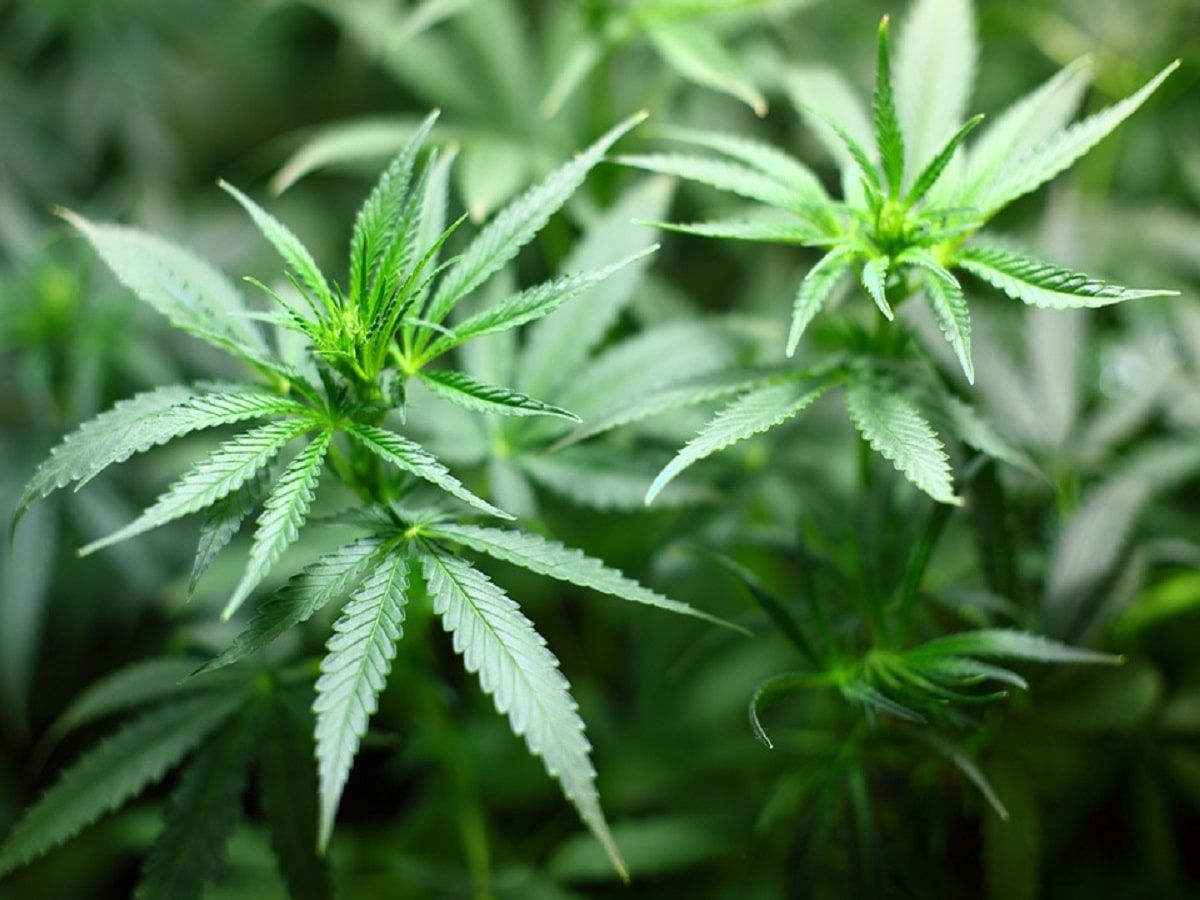
Sardinia Begins Regulated Hemp Production To Remediate Polluted Land

Italy’s second-largest island has passed a measure to create a regulated hemp market to help clean up the environment

A new law designed to increase phytoremediation of polluted land may well put hemp production on steroids on Italy’s second-largest island – Sardinia. The measure, which passed by unanimous vote on the island, regulates the entire supply chain – from farm to processing.

About 600 hectares (1,500 acres) of hemp were planted in 2019 – the last year such data is available. However, there has been a concerted push to cultivate more hemp – either from first-time farmers or those who want to convert existing agricultural operations to farm the same which has driven the measure politically.

The island’s governing council said that the old unclear laws and regulations were stifling this sector of the economy on the island.

Controlling Production Seed to Sale

What is interesting about this development is that the new law differs from Italy’s national law on hemp production because it imposes an obligation to report cultivation. This is intended to create a way of controlling and tracking what is produced here. The island will maintain a database to monitor cultivation and the intended use of such crops which will also be shared with the police.

The Great Italian Cannabis Question

Italy has subsided from the cannabis reform limelight somewhat over the past several years. Undoubtedly this is partially thanks to Covid. However, it is not the only reason. Indeed, at the beginning of just this year, the highest court in the country squashed a petition effort to hold a referendum on the legalization of recreational use.

However, Italy is far from out of the game. Medical cannabis is produced in the country and there is limited medical reform. Beyond that, hemp and CBD products continue to be popular here. Italy is also head of most European countries in that, like Malta, albeit via court case rather than legislation, patients can grow their own if they cannot access it elsewhere.

How the country will proceed post-pandemic is an open question. It is clear that reform here has not gone underground. It will just take a concerted political push to get the country’s national politicians to move forward on a recreational discussion.

In the meantime, regions like Sardinia are proceeding as best they can. Hemp production for environmental remediation is an increasingly popular, non-controversial way to proceed, although this project seems to be the first in Europe to specifically focus on the environmental benefits of growing hemp.

It won’t be the last.

italy

Greece

Medical Cannabis To Be Sold In Greek Pharmacies

A win for patients as Greece angles to be a large European medical cannabis producer

Greece has positioned itself as a medical cannabis producer over the last couple of years as a way to bring both foreign investment into the country – and a way to create a valuable export crop. The country legalized medical cannabis in 2017 and repealed a ban on cultivation and production in March the next year.

However, to date, Greek citizens could not access the drug locally – even with a doctor’s prescription, much less purchase it from their local pharmacies.

This has now changed. Foreigners will also be allowed to purchase the drug this way.

What Does This Mean?

This development is certainly a win for patients, and indeed removes one of the largest criticisms of the government on the issue of medical cannabis reform – namely seeing it solely as a way to bring in foreign capital without considering the health and welfare of its own citizens. The Greek government still has high hopes for this sector of the economy. Currently, ministers are projecting that the industry could bring in as much as $1.67 billion annually. That is far from a small change.

However, beyond current investment and export income, this newest development means, at least, that Greek citizens will directly be able to access the drug. It also is being seen by the Ministry of Development and Investment as a way to further legitimize the cannabis cultivation industry here.

Greece is currently, quite obviously, vying for cannabis export income against both Portugal, which is increasingly seen as the “go to” market for medical cannabis in Europe, and their northern neighbor, North Macedonia, which has been trying to achieve this status since 2017 but has been repeatedly stymied in the same because they are not part of the EU.

Reciprocal Medical Market?

This development certainly sets Greece up to become what many have anticipated it would be – namely an attractive market for other Europeans looking for a medical cannabis-friendly location to go on holiday. The country is a popular tourist destination for particularly British and German tourists already. With this development, Greece is clearly angling for more of the same, with a cannabis twist.

The first cannabis wellness spa has just opened in Switzerland. It is not beyond the realm of possibility that the same kinds of projects could be developed here, particularly as places like Holland continue to promote policies that threaten to ban cannatourists and the rest of Europe embraces cannabis reform on a slow track.

greece

european flags

State Of The Cannabis European Market On April 20, 2022

The market in Europe is poised for great things – but many obstacles remain

Here is the first thing to remember as you celebrate 4/20 this year in Europe. There is still a need for cannabis legalization marches to further reform – as are happening all over the EU this spring. The promise of greater legalization still hangs tantalizingly in the air, but there have been just as many setbacks as victories over the last few months.

Here is a quick roundup of some of them.

The Wins

The British have finally begun a federally regulated CBD market when the Food Safety Authority (FSA) issued a list of 3,500 products that may be legally marketed and sold in the country. This means, for the first time on this side of the Pond that CBD products may be integrated, legally, into everything from shop displays to “adverts” as the British call advertisements. Channel 4, one of the largest British TV channels, even invested in a CBD company.

In Europe, but outside of the EU, Switzerland is clearly also powering forward to implement the first federal recreational trial in the region.

In the meantime, according to a Europe-wide poll in the last couple of weeks, more than half of Europeans support the idea of full and final recreational cannabis reform.

The Bad News

Everyone is slow off the bat this year in proceeding with promised legalization reforms. The German government is signaling that its first proposal will not even be released publicly before late 2022 if not 2023. Portugal’s new government has yet to put forth a proposal to legalize as was widely anticipated last year from the old government. Luxembourg’s leaders are being equally cagey about implementing much-promised domestic reform. France is at a standstill thanks to national elections where a right-wing, anti-cannabis candidate may win the election over cannabis-shy Emmanuel Macron. And in Spain, the police just busted what they called “Europe’s largest cannabis plantation” growing industrial hemp (which is legal in Spain), destroying over $100 million of product in the process.

It is Time to Make Cannabis Legalization a Political Priority in Europe

For all the political compromises and ongoing criminalization of legitimate businesses to individuals – whether they are recreational users or patients – cannabis reform should not be pushed to a backburner. With rising inflation and stagnating economic growth thanks to both Covid and the Ukraine War, this industry promises green recovery, jobs, and much-needed tax revenue.

No is no longer an option. Cannabis reform, now!

Europe

buenos aires argentina

Argentina Moves Forward With Medical Reform

April has been a big month for the country as it has established both a federal agency for the control of cannabis and non-profit patient collectives

Argentina has had a big April so far when it comes to cannabis reform – and all before 4/20. That said, many in the country will certainly have a reason to celebrate global cannabis day this year – simply because medical reform has moved forward fast this month.

After passing formal federal medical reform in 2020, it has taken two years to get to the next step (mostly because of Covid). However, this month has made up for a lot of that lag time.

At the beginning of April, the government authorized the existence of non-profit patient collectives which seem to be on track to operate much like the earlier versions of the same in North America.

Last week, the government also moved forward on establishing a formal agency to oversee the entire industry and established a special new category for plant-based cannabis medicines.

Doctors will still have to write prescriptions for those products which have over 0.3% THC.

Cannabis Reform in The Spanish Speaking World

Argentina is the largest Spanish-speaking country in the world by landmass, and this month’s moves are likely to influence the entire cannabis reform discussion in every Spanish-speaking country. This includes not only those in Latin America, but also in Europe.

What is striking about the fast moves this month to formalize the industry in Argentina is how fast the government moved. In stark contrast, Spain has resisted cannabis reform at a federal level even as the question has moved forward in other parts of Europe. Even France has a national medical cannabis trial underway. However, in Spain, only four federal licenses have been granted for the production of high THC cannabis – and all of this product is for export.

In the meantime, the cannabis clubs have remained outside the purview of federal reform, leaving them in a grey area. While these are technically “non-profit” they are far from being organized patient collectives. Further, there is no real protection for them under the law.

It will be interesting to see if the Argentinian industry, which looks like it is taking a page out of the North American cannabis industry model, will develop in a similar way.

In the meantime, the welcome changes to the law here mark yet another country that has succumbed to the cannabis revolution.

argentina

stethescope doctor medical hospital

The Fight Over “Medical Efficacy“ Of Cannabis In Germany

Insurance companies are still dismissing doctor opinion and individual case history in favour of outdated studies

In early April, a man with ADHD (attention deficit and hyperactivity disorder) failed, at the appeal level, in obtaining cannabis reimbursement from his insurer. The decision, handed down by the State Social Court in Stuttgart, refused coverage on two grounds. The first was that there were “other treatments available.” The second is that the plaintiff was not “seriously ill.”

This is not an unusual scenario today in Germany. Insurers are turning down patients who have found doctors to recommend and prescribe the drug using both outdated study data and refusing personal patient testimony that cannabis helps them better than more mainstream drugs.

In this case, the man had initially been prescribed Ritalin, which he claimed gave him an aversion to taking tablets. Beyond this, as the medical literature also shows, taking amphetamines (which is what Ritalin along with other “traditionally prescribed” medicines for ADHD are) has a heavy toll on the body long term. According to some research, long-term amphetamine use can damage the brain, cardiovascular system and may even lead to psychosis, malnutrition, and erratic behaviour.

In the US, albeit with some considerations, namely if it interferes with work or life, this condition is considered a disability under the Americans with Disabilities Act. In Germany, the condition is also, when diagnosed and treated by a psychiatrist, a serious enough long-term condition to be covered by German health insurance.

The Heat Is On

German insurers as well as the social courts remain largely hostile to medical cannabis prescriptions, and indeed are still forcing patients into court to fight for that right on an individual basis. Because class actions are almost unheard of here, this means that rather than setting both medical and legal precedent every time a patient sues and wins, insurance companies are forcing every rejected patient to fight for their individual rights in court – no matter the condition or even successful court wins previously – also called legal precedent.

Beyond this, insurers are picking and choosing the studies they wish to quote rather than looking at the most recent study data available.

This means that, unless there is a sea change, patients will continue to be turned down for treatment, not by their doctors, but by a legal and reimbursement system which is outdated, bureaucratic and increasingly unfair, and further is operating outside of the intent of the 2017 law – namely that medical cannabis compensation should only be refused in “exceptional cases.”

It is also unlikely that this situation will be changed anytime soon. That also means that those patients who are turned down will have no recourse in the short term except to rely on the black market or home grow, and, once recreational reform has been implemented, the recreational market.

This is not a “solution” and leaves about 40% of legitimate patients in Germany with fewer options than before. Cannabis reform even on the medical front, should not just be a panacea for the rich.

Germany

paris france europe

Majority Of Europeans Support Cannabis Reform

A recent poll has shown that more than 50% of Europeans support cannabis reform – but when will it really arrive?

According to a recent poll by British cannabis consultancy group Hanway, more than 50% of Europeans support the legalization of recreational cannabis. A further 30% have shown interest in purchasing it once it becomes legal.

The European cannabis market is expected to cross the 3-billion-euro mark sometime in 2025, up from about 400 million euros in 2021, but these projections also assume that recreational reform is just around the corner in the region.

The reality, however, may be a little different, starting with the fact that Germany, the region’s largest medical cannabis market, has repeatedly delayed forward reform.

As of last year, the new government, the so-called Traffic Light Coalition, included recreational cannabis reform in its formal agenda. That said, after the election, forward motion has been nothing short of slow. To date the government has yet to draft a formal plan, claiming that other issues, like Covid and the war in Ukraine, are greater priorities.

Which European Countries Are Likely to Move First?

Covid has certainly played a role in cannabis legalization efforts in Europe. This starts with the static number of insurance reimbursement applications approved during the last two years in Germany, leading to statements from leading insurers that the “cannabis craze is over.” However, this is profoundly misleading for several reasons, starting with the fact that insurers are still routinely turning down 40% of all of the applications they receive, forcing patients to sue. Or go back to the black market.

Beyond this, however, there is a noted distaste for actually implementing even a draft bill that can be commented on in Germany, with some insiders claiming as late as last week that nothing will even be proposed until 2023. Some people are already claiming that a recreational market will not even start in Germany before 2025.

In the meantime, Malta and Luxembourg are moving forward with their own versions of reform and Holland is moving, albeit slowly, to implement a national cannabis distribution network for coffee shops.

The dark horse right now is Portugal, which also shelved forward plans thanks to the collapse of the government earlier this year but is expected to move forward in short order.

For now, however, hope is mostly focused on the Swiss, who are moving forward with the first, real, integrated national trial in the region this year.

Reform is clearly coming to Europe. But its pace, sadly, is still on a slow track. There is a lot of work to be done.

Europe

tobacco leaf plant

Zimbabwe Planning To Switch From Tobacco Cultivation To Cannabis

The African country is going to switch tactics as well as agricultural focus to capitalize on the growing demand for cannabis internationally amid the declining use of tobacco

According to Meanwell Gudu, the chief executive of Zimbabwe’s Tobacco Marketing Board, the declining demand for tobacco and the increasing global appetite for cannabis is one of the chief considerations they have considered in switching the agricultural focus of the country toward cannabis cultivation. Zimbabwe is Africa’s largest tobacco producer. However, the industry has been plagued with a host of problems, including farmers only receiving a very small percentage of the sales of their crops.

Tobacco earned Zimbabwe about $818 million in 2021. However, demand is expected to fall, globally, by about 15% in the next 8 years.

Cannabis for medical use was first authorized in Zimbabwe in 2019. The Tobacco Consortium has about 145,000 farmers, all of whom will be encouraged to switch at least 25% of their crops by 2025.

The country has issued 57 cannabis licenses so far. It also scrapped rules requiring state ownership of cannabis cultivation.

Last year, Zimbabwe exported 30 tons of industrial hemp to Switzerland. Another 20 tons are set to be exported this year. Beyond Switzerland however, Zimbabwe is clearly eyeing the rest of Europe as a lucrative market for export as well as China.

An Economic Boost for Zimbabwe

Zimbabwe depends heavily on its agricultural sector. However, the vertical has been stuck in a virtual holding pattern for most of this century after Robert Mugabe, the former president, expropriated all farms held by white farmers and gave them to Black farmers, arguing he was redressing colonial land injustices.

Many of the Black farmers who received this land were poorly trained and ill-equipped. As a result, the country is now suffering from not only chronic food shortages, but a lack of export crops. This is one of the largest reasons the switch from tobacco to cannabis represents such a momentous turn of events for the country.

Unused farms are also being redistributed by the government in an attempt to stimulate agricultural production again, and it is more than conceivable that many of these farms will also be turned into cannabis production.

Zimbabwe is currently focused on creating food self-sufficiency. About two-thirds of the population are at risk of hunger. However, beyond that, it is also focused on creating a sustainable export crop for the country to bring in much-needed foreign income. This is also one of the reasons cannabis production is likely to be given a great deal of government support from now on.

zimbabwe

CBD oil

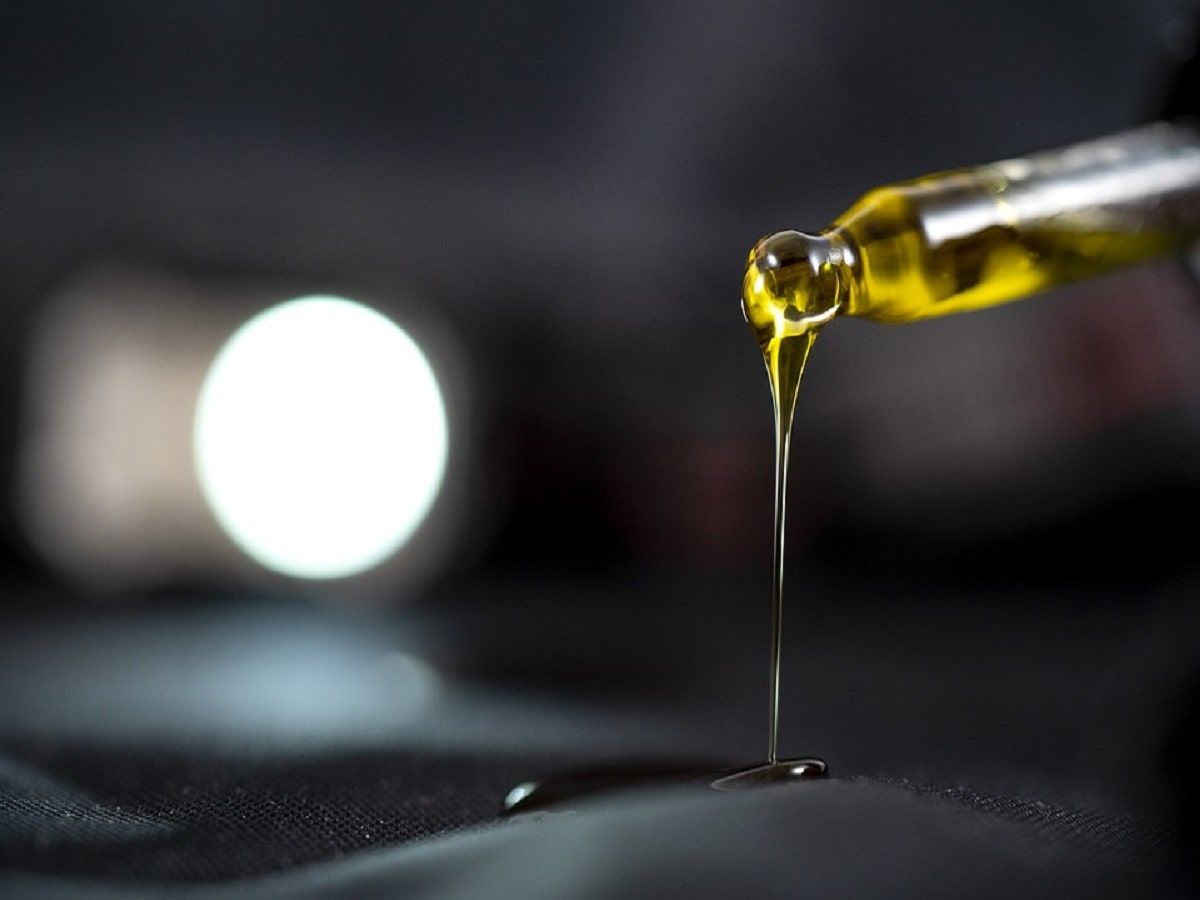
UK Becomes First Country To Regulate CBD Products As Food

The Food Safety Commission issued an official list of legal CBD products that can be sold in the UK and Wales

There is not a lot to cheer about in the British cannabis industry, generally. So far, the medical discussion has repeatedly stalled.

However, there is a ray of light on the horizon for CBD products.

Last week the British FSA issued a list of officially recognized products that are legally allowed to be sold. There are about 3,500 products on the list. Any products that are not on the list will be now considered illegal products and vendors who sell them will be open to prosecution. However, this is not a definitive list, and other products can be added.

About 900 applications were submitted before the government deadline, of which 71 progressed. This has now resulted in said applications being used in 3,500 products. 680 applications were rejected, and 42 applications were withdrawn from companies that no longer wished to move forward with the process.

The list covers products that can be sold in England and Wales. Scotland will have its own regulatory oversight and process. Only Northern Ireland has refrained from moving forward with even CBD reform as it remains under the jurisdiction of the EU – which has yet to approve any CBD-based food or supplements.

A Boom for British CBD

The move is likely to create a highly entrepreneurial environment for at least part of the cannabis industry. Unlike the US, where CBD has been federally legal since the passage of the 2018 Farm Bill, the British will have a formal list to guide both consumers and investors.

This in turn is likely to create Europe’s first viable, commercial CBD market, and further one that may well influence decision-makers in the EU.

Annual sales of British CBD products hit about $898 million in sales in 2021, making the UK the world’s second-largest CBD market outside of the US.

The UK legalized CBD in 2018, but the market has been slowed down both by Covid and by the approvals process at the FSA.

Now that the FSA has released a formal list, however, legal sales can proceed unfettered.

CBD is perhaps the second-best known cannabinoid after THC. It has no psychoactive effects, but has been shown to have anti-inflammatory and other medical impacts. It is most currently viewed as a wellness product, although there are some medicines that are made only from CBD.

Let the games if not sales begin!

United Kingdom

roatan honduras

Could Honduras Become The Next Central American Country To Enact Cannabis Reform?

The Central American country with the highest levels of violence in the world may be on track to legalize medical cannabis

If Carlos Umaña, the deputy for the Salvador Party of Honduras, not to mention the vice president of the country Slavador Nasralla has anything to do with it, Honduras may well be on track to be one of the next Central American countries to legalize medical cannabis.

Both have recently come out in favour of legalizing the cultivation of the same to create thousands of jobs for Hondurans.

Currently, it is illegal to use and cultivate cannabis in the country.

“Proposing its usefulness under this perspective and exporting it is not a crazy proposal, it is rather to give it an appropriate debate looking for benefits that are now acceptable worldwide,” Umaña said.

Of course, there are other reasons for legalizing cannabis production here. According to the United Nations Office on Drugs and Crime, the country had a murder rate of 92 per 100,000 people directly connected to the illicit drug trade as of 2012. Drug trafficking gangs routinely use the country as a transit point for drugs on route to the United States. In doing so, they create a huge amount of violence in disputes with rival gangs over territory, extortion, and money laundering.

As a result, all illicit use and cultivation of drugs, including cannabis is harshly punished. The current ruling decree, passed in 1989, punishes all drug use and cultivation, although first offenders are automatically sent to rehab if they were only cultivating for personal use and are addicted to the drugs found in their possession.

Regardless, Honduran jails have reached a breaking point, including those held under preventive detention – meaning they had not yet been sentenced.

A New Industry for The Land of The Maya?

Honduras is bordered by Guatemala, El Salvador, and Guatemala. Before the arrival of the Spanish in the 16th century, it was home to several important Mesoamerican cultures, including the Maya. The Mayans used cannabis widely, including in raised structures that were until recently miscategorized by archaeologists as religious pyramids. They consumed cannabis either by smoking it or grinding the flower into powder to make a powerful drink that they used instead of alcohol.

The country is characterized by thin, calcium-infused soil and semi-deciduous rainforest – a perfect climate in other words for growing cannabis.

honduras

cannabis plants garden

Will Home Grow Be Included In European Cannabis Legalization?

Italy is leading the way with preserving the specific right of home grow in Europe, but this is still a thorny political issue just about everywhere on the continent

Italy is not letting up on the cannabis home grow conversation. Indeed, after the Constitutional Court refused to allow a cannabis referendum, the issue has refused to die. It now appears that a legislative mandate allowing home cultivation of up to four plants for personal use is headed for the Italian federal legislature.

Whether it passes or not is another question, but the truth of the matter is that the Italians have been one of the leading proponents of home grow in Europe for the last several years.

Everyone else? Not so much.

Why not? 

The Top Reasons Home Grow Is Not Popular Within The Cannabis Industry

There are several reasons that home grow is not popular both in political discussions about legalization and the industry itself. These include:

  1. Home grow is hard to legislate, monitor and control. The arguments against it include the fact that people who grow their own cannabis at home could a) sell it, b) poison themselves and those they distribute it to, or c) expose minors to high levels of THC.
  2. Even in situations, however, where home grow must be licensed (see Canada and certain US states) or performed in a non-profit setting that is also licensed, it is still not popular with the powers that be. This is because such collectives will always offer cheaper prices than commercial cannabis – whether it is medically designated or “just” recreational.” This is a direct threat to the “for-profit” medical and recreational industry
  3. It cannot be taxed and often is involved in “grey market” distribution.

However, in an environment where patients are repeatedly denied access because cannabis is too expensive, it is precisely the sickest cannabis users who are being left out of the revolution.

Solutions

There are several options on the table in Europe right now. The bottom line is that with decriminalization, home grow will have to be at least slightly regulated. It is unlikely it can be completely banned. This means a licensing system – perhaps similar to a dog license in Germany. However, how many plants will be allowed (and what the penalties will be for having more than this minimum amount) is a different conversation – and further one that for now has largely been left off the table.

However, it is a critical step in the normalization of the entire discussion. And as full and final legalization comes to Europe, one that cannot be left out of the room forever.

Europe

united states congress

Will The US House Vote On Cannabis Reform Mean Anything?

The vote is important in keeping the issue in front of lawmakers in the US and other places, but will it mean any change this year, anywhere?

As of the second quarter of 2022, there is a great deal of talk about the need for full and final cannabis reform in both the US and of course much of Europe. However, last week’s House vote to legalize cannabis reform in the US is a straw man that is unlikely to lead to real change this year – anywhere.

In the US, the legislation must now pass the Senate, which is unlikely. Across the pond in Europe, specifically Germany, politicians are diddling with specifics while claiming they are too busy on more pressing issues to give this entire issue prioritization.

Why Is the Final Step So Hard?

For those in the industry as well as patients, there are large issues that have not been solved. The first of course is the fact that the UN has refused to remove cannabis from international drug scheduling as a Schedule I drug. This creates a convenient leaf to hide behind for those who are being pushed politically into reform they would otherwise continue to ignore.

See Germany right now, beyond the US.

However, this Catch-22 is already being challenged within Europe. Both Luxembourg and Malta as well as presumably Portugal, are moving ahead with their legalization plans. Holland now is on the verge of a nationally regulated recreational market. And indeed, the intent of the UN in not removing cannabis from the global Schedule I designation was not stagnation but rather to let individual countries deal with the issue themselves.

The bottom line is that tight control of the cannabis plant benefits only the pharmaceutical industry, which is trying to keep the drug as expensive as possible.

Even this strategy, however, is not working. In Germany right now, the entire industry is now hanging on recreational reform to increase sales as medical approvals have stalled.

Reform NOW!

Excuses being what they are, it is entirely likely that the German recreational market will not happen for several more years. This is because so far there has been little taste to actually decriminalize the plant, much less its cultivation until there is a plan for a recreational market in place.

This is unlike the US (for example) where state markets have been able to move the entire issue forward on a federal level – but only to a certain point.

Regardless, in two of the world’s largest federal markets right now, reform still hangs in the balance. And that is a status quo that is overdue for change.

united states

television tv

Mixing Media With Cannabis In The UK

Channel 4, a British TV company, has just invested in Cannaray, a Canadian-British cannabis company. What is next for the UK market if not cannabis media?

In a move that certainly is rather surprising, given the fact that media companies so far have largely stayed clear of the “biz,” Channel 4 in the UK has now invested in a British-based, Canadian cannabis company looking to expand to Europe.

Channel 4 is a bit of an anomaly in the UK. Unlike the BBC (or the Beeb) it is a non-government-run, but free-to-air, public service television network. Headquartered in Leeds, it has hubs in Glasgow and Bristol. It was founded in 1982 and also has a film unit.

It makes its money in ways familiar to American viewers – namely via advertisements but also via sponsored programs.

The fact that their venture unit has now invested in a cannabis company is certainly going to make waves, especially considering the strange legal territory even CBD falls under.

Canna TV?

The first and most interesting impact this partnership is likely to have is in the field of CBD advertising, which, given the forward motion of the Food Safety Authority on cannabidiol, is likely also to create, for the first time, a venue for CBD product advertising if not program sponsorship in the UK. Given the hunger in the market for any kind of PR and marketing, this is likely to be a profitable venture for at least Channel 4 itself if not the budding British CBD biz beyond this.

Beyond that, however, given the impact of digital television and social media outtakes, this could well become a model for cannabis advertising and media sponsorship across Europe.

Canna Cooking Shows?

Given that the top shows by audience demographics since the station began broadcasting are episodes of The Great British Bake-off, it should not surprise anyone if cannabis becomes a regular ingredient in this programming mix. This is especially true given the station’s predilection for importing programming from North America.

What About Other Cannabis Products?

Europe and the UK have different advertising policies about medical products, which for now, THC certainly falls under. However, given the fact that medical cannabis, generally, has many interesting intersections with popular culture, it is clear that there is a possibility for some good old cannabis education that reaches the masses about other cannabinoids, including THC.

Stay tuned.

United Kingdom

International Cannabis Business Conference

NEWS FROM AROUND THE GLOBE

BROUGHT TO YOU BY THE ICBC

© International Cannabis Chronicle. All rights reserved. Site developed and hosted by Rogue Web Works.