NEWS FROM AROUND THE GLOBE BROUGHT TO YOU BY THE ICBC

Author: Marguerite Arnold

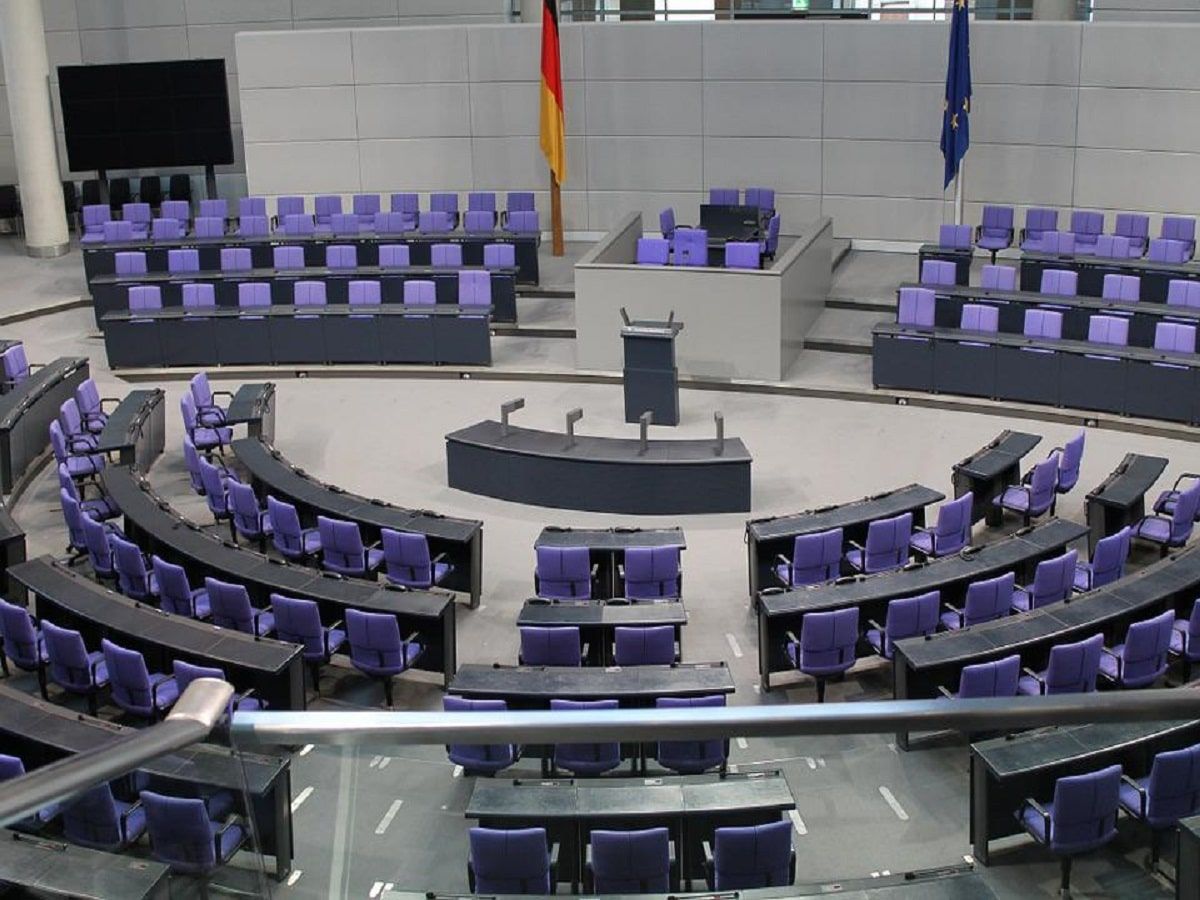
bundestag berlin germany

German Health Minister Given Cannabis Legalization Deadline By Budget Committee

In a unique twist in the annals of cannabis legalization lore, the new head of the German Health Ministry was given an ultimatum by the Bundestag’s budget committee to submit a passable recreational cannabis bill by the end of the summer

The German Health Minister Karl Lauterbach has been given a unique incentive to submit legislation that can be passed by the Bundestag by the end of the year to legalize a recreational cannabis market. Do it or have your PR budget withheld.

For his part, Lauterbach almost simultaneously issued statements to the press that he was going to speed up the process.

This means that Germany will have, all things being equal, a fully recreational cannabis market by the end of this year – legislatively at least. How long a gap between the bill’s passage and implementation is anyone’s guess. However, given the track record of legalizing jurisdictions so far, it is not inconceivable that while decriminalization and allowances for record expungement may take place more or less immediately, the actual market start may be delayed for 12-24 months. See Colorado and Canada, if not Holland.

What Could Be in The Cards

There are many question marks now on the table about what could happen next. One thing is for certain. While the Bundestag might, for convenience purposes, leave the cultivation and distribution question alone, this will in turn lead to further legal action. Nobody is happy about the cultivation bid, much less the monopoly distribution bid issued by BfArM. Keeping that as the status quo for the first source of recreational cannabis in Germany is unlikely. Even with the giveaway of open season on dispensaries (although how these should be awarded is another variable here).

Regardless, here are some of the issues that have been bandied about. Home cultivation is apparently on the table, in a win for many activists, but whether that differs for patients and recreational users is another discussion. So is the necessity for patients to have a grow license of their own.

Expect to see a heavy presence of law enforcement and heavy penalties for driving under the influence. Also expect to see at least a discussion of online shops and delivery services, even if only allowed by individual dispensaries.

It is going to be a very interesting 8 months as Germany takes its place as the second large, western economy to now proceed down the path of full and final recreational cannabis reform.


Germany

euros money currency

How Accurate Are European Cannabis Industry Projections?

It is still far too early to be able to project any real numbers with authority as multiple countries have still not passed comprehensive market reform

By now, guestimates about cannabis market size in Europe it is a veritable cottage industry. Namely “projecting” the size and growth of the European cannabis industry – either by country or region is a regular “thing.” How accurate such guesswork is, however, is highly debatable. Here is why.

Medical Demand Is Still Patchy

The German cannabis market has definitely grown in the last five years. This is for several reasons. The first is that in 2017, the German government mandated that insurers reimburse the costs of medical cannabis when prescribed by a doctor. The second is that while it is possible to track the slow growth of this market, future volume is also unclear. From the start of market sales here, German producers have not come close to meeting market demand, and insurers have been routinely turning down about 40% of applicants and for a variety of reasons. Until more trials are done, insurers are able to refuse coverage based on old trial data. This was not the intent of the 2017 legislation – namely the law says that if a doctor prescribes cannabis for a patient as a drug of last resort, the insurer is supposed to reimburse. That has not been how it has worked in practice.

Recreational Markets Are Too Young to Gauge

Here are a few absolutes about the market now. Germany will legalize a recreational market, but what the parameters will be are impossible to predict. This includes real sales, and of course, home grow. Beyond this, at least in Germany, the CBD industry still has no protection (like in the UK). Even here, other economic conditions, namely inflation, are going to have a damper on market growth – simply because this is still a “luxury” industry. In Italy, medical cultivation happens solely on a military base and the CBD biz, while growing, also has to compete with inflationary pressure. There is certainly a great deal of potential, but anyone who tells you that they can predict, with any accuracy, how big any of these markets will be is lying.

Switzerland Can Create a Little Insight

Here is why Switzerland may be a more fertile ground to create guestimates. There will be a set number of participants per Canton (or state) for the next couple of years. It will be able to project how many participants will be a part of the trial, and potentially the worth of what they might buy. For this reason, the market here is a good straw man – but not really applicable anywhere else.

Holland Is Unreliable

Yes, there is a national cultivation trial in progress, however, the Mayor of Amsterdam keeps making noises about shutting tourists out of the semi-legit market in Amsterdam. Nobody really knows, including the Dutch, what is about to happen, much less what the market is going to look like in five years.

Legislation Is in Flux in Other Countries

Then of course there is the soft stance on cannabis reform everywhere else. It was supposedly a sure thing that Luxembourg and Portugal would have announced plans for their own recreational markets. That has not happened for the entirety of 2022. Nor has any other big movement anywhere else.

For all of these reasons, it is really impossible to accurately judge the size of the market other than to say that it will increase. That is, at least, a step in the right direction. However, beyond this, educated projections are still a long way off.

Europe

planet earth

Global Cannabis Protests Demand Reform Now

Cannabis activists have not let up after 4/20 this year and continue to urge others to march for change

From Berlin Germany to Quito Ecuador, activists have continued to make their presence on the streets known this year, even post 4/20. The mood in multiple countries continues to crystallize into a global demand for cannabis reform that will not be stoppered or told to shut up.

Perhaps it is the end of the Pandemic. Perhaps it is that Prohibition has finally run its course. Maybe it is just Spring.

No matter. Voices and bodies for the cause have hit the streets of multiple countries demanding change.

Is 2022 A Global Tipping Year?

There are several indications that this year may see fairly dramatic forward motion on the cannabis reform front. The US is (yet again) considering federal regulation. In Germany, it is merely a matter of when (not if) as the country’s new health minister signs up for reform and of an expedited kind.

Beyond North America and Europe, however, other countries are watching. This includes countries from Africa to Latin and Central America. And politicians are being forced to pay attention.

When Will Global Regulation Happen?

Global change is likely still up to a decade away. This is because larger countries, like the US and China, want reform to happen country by country. This in fact was the sentiment the last time the UN met to consider reform.

However, since then, a global Pandemic has come and gone, and multiple countries have decided that it is more than overdue to address an issue that continues to cost money in terms of manpower, police, court, and jail time.

Beyond this, of course, there is the matter of both greening economies and shoring them up as a new world beckons.

And everyone knows it.

Why Are Politicians Still Waiting?

Politicians always wait. Cannabis reform generally, is still not (at least outside of the US and Germany) a campaign issue.

Beyond this, as seen in Latin and Central America, there are concerns that the industry may not be sustainable. In countries where there are high poverty rates and rapidly disappearing rainforests (like Brazil, Nicaragua, and Honduras), leaders are not sure how to regulate the industry to make it both sustainable and non-destructive.

And then there are the outliers, and slow but steady as she goes success stories. South Africa is absolutely capturing global attention right now for its construction of a cannabis hub.

The people are reading. The people are speaking. The people are marching.

Cannabis. Reform. Now.

activism

cannabis plant

Will Home Cultivation Be Part Of German Cannabis Legalization?

Government leaders have been quoted recently saying that home grow would be a necessary component of recreational reform

Last week, German Health Minister Karl Lauterbach announced that German recreational reform should be prioritized this summer. However, that is not all that is afoot in Germany. Within the last week, there have also been statements across the political landscape of the ruling “Traffic Light” Coalition that home-grow will also be included in this discussion.

Citing reasons that ranged from inevitability to an awareness that patients who still cannot convince their health insurers to reimburse them will almost have to be able to grow their own, voices from the SDP, the FDP and the Greens all discussed their reasons for allowing Germans to not only buy their weed but grow it too.

Now Come the Details

Given the reliability with which German politics tick (and of course, the impossibility of predicting anything in this industry) it is, however, highly unlikely that both a Health Minister and other members of the ruling coalition would make such statements with nothing to back them up.

However, what details are actually included in this first tranche of legalization legislation is still very unsure. There is also a lot of ground to cover.

Here are the biggest outstanding issues:

  1. It is widely rumored that the government will allow specially licensed dispensary shops to sell recreational cannabis. In Germany, you can find wine, beer, and spirits in almost every grocery store. That is unlikely to happen with cannabis for the foreseeable future. However, do not expect to see a suggestion that cannabis will be sold in government-run stores – as Canada initially tried to implement (and then pulled back after widespread opposition). How such licenses will be made available is a big question. Will there be an open season or some kind of lottery system run by the states or municipalities?
  2. How these new stores will be stocked is another question. Will there be additional cultivation licenses that can be applied for or will the existing medical license holders be given a monopoly on growing all high THC cannabis in the country? 
  3. Home grow. If this is allowed, will it be permitted by the number of plants, licenses, or both?
  4. Edibles and extracts. This is going to be hard-fought territory and there is almost no precedent for the same either in Europe or much of North America.

For now, there is a great deal of speculation and even maneuvering on the chessboard. However, it is clear that the tide is turning in Germany. The question now is how far, and how fast?

Germany

German Parliament

German Health Minister Gets Behind Expediting Cannabis Reform

Karl Lauterbach makes public statement about prioritizing recreational cannabis reform in Germany this summer

In a surprise announcement, the German Health Minister, SPD-affiliated Karl Lauterbach, has now thrown his weight behind a stepped-up schedule for cannabis legalization. Namely, he wants to put this on the summer legislative agenda rather than pushing it back to this fall (or later) as had been widely rumored.

As quoted in Handesblatt, Lauterbach said that he has “changed his mind about this in the past two years…I’ve always been an opponent of cannabis legalization, but I revised my opinion about a year ago.” He now believes that the dangers of the status quo outweigh the dangers of recreational reform.

Lauterbach’s statements about cannabis reform were part of his call for stepped-up action on several pressing issues facing the German healthcare system. Namely the need for a greater contribution from German citizens to address the huge shortfall the statutory health insurers are facing as well as the digitalization of the healthcare infrastructure.

His comments also come at a time when there is growing momentum from all coalition parties to not kick the cannabis legalization discussion can down the road anymore. During the first quarter of 2022, despite making cannabis legalization part of the election platform that put the Traffic Light coalition into power, the only thing emanating out of Berlin for months was calls for delay. The excuse was both the lingering Pandemic and then the Russian invasion of Ukraine.

Even more interesting is that Lauterbach’s comments come at a time when all three coalition partners have begun to publicly support the idea of home-grow as part of the initial reform law. This too had been widely rumored to have been dropped from discussion.

Drivers of Reform

There are several reasons that are likely behind this interesting about-face by leading figures in the new government to suddenly prioritize cannabis reform this year.

The first is undoubtedly the fact that the medical efficacy of cannabis cannot be denied anymore – meaning that the beleaguered health insurance companies will be increasingly under the gun to reform their policies about coverage – and pay for coverage of more people. That has been one of the most problematic aspects of the limited medical reform compromise made into law in 2017. Insurers have routinely turned down about 40% of applicants – forcing those who can to sue for individual compensation and those who can’t into the black market, increasing the risk of prosecution for merely being chronically ill.

The second is that with full recreational reform, patients who have been turned down for coverage – or cannot find a doctor in the first place will, at least no longer be criminalized by taking matters into their own hands.

Further, if patients are finally allowed to grow their own, additional pressure will be taken off a healthcare system that has been horrifically slow in the acceptance of medical cannabis in the first place.

As a result, it may be, after months of delay and diffusion, that there is finally a push for cannabis reform that may even take place this summer – at least on a legislative level. That is good news indeed.

Germany

Guernsey

Could Guernsey Lead The Way On Recreational Cannabis Reform In The UK?

The Channel Island has made great strides on the medical front. Will recreational reform be next?

Guernsey has been moving forward steadily on cannabis reform for the last several years. Envisioned as a way to help bring new business opportunities for the acres of empty greenhouses across the island, the development of the industry has received enthusiastic support from political leaders on the island.

Currently, the vast majority of cannabis patients on the island still have to import their medicine, via the British mainland, from other parts of the world, including Canada and Germany. About 800 patients have been issued approximately 5,000 individual import licenses over the last 18 months. This will gradually begin to change as local medical cultivation and extraction gets up to speed here.

However, recreational reform is also potentially in the offing.

Guernsey is, as a result, potentially the first place recreational reform will take hold in the United Kingdom. Local politicians who just returned from a fact-finding tour of Canada, also predict that full legalization will occur on the mainland within 5-10 years.

A Medical and Recreational Source of Flower

One of the drivers of cannabis reform here, beyond caring for local inhabitants with serious health conditions, has clearly been the economic redevelopment of an island that, in the past, provided a local source for the cut-flower industry on the mainland.

Growing here, rather than the UK, especially if the government revises domestic rules on the island, seems like a no-brainer.

However full reform is still a bit controversial on Guernsey. There is a clear sentiment that they do not want the island to become “just like Amsterdam” – namely breeding a tourist trade that comes here for the cannabis.

Growing, in some cases, extracting, and then exporting to the mainland is the focus here.

Could Reform in Guernsey Drive the British Discussion?

There is no doubt that reform has moved more quickly on the British islands around the UK than on the mainland itself. Both Jersey and Guernsey have progressed at least on medical cultivation, while on the Isle of Man, a $100 million-plus project has been announced.

In the meantime, the British Isles have moved forward on CBD reform. The Food Safety Authority just released a list of approved products for sale in the UK – and this will continue to grow. There is no reason that while the larger questions of reform are ironed out on a national level, however, Guernsey will still be able to grow hemp and high THC cannabis and export it, plus extract, to the mainland, while developing their own home-grown version of reform, that is also very likely, within the next several years, to include change of the recreational kind.

Guernsey

cape town south africa

Request For Proposals For Cannabis Businesses Requested By South African Government

The Gauteng provincial government and the federal Department of Agriculture and Rural Development have requested interested parties to submit business partnership proposals

As of April 29, the South African government has released an announcement that they are looking for proposals to “unlock economic opportunities and job creation” through the development of the cannabis vertical.

The specific areas for development being considered include:

  • Funding and capitalization ideas to underwrite both hemp and cannabis cultivation, processing, and distribution.
  • Exchange, trading, and aggregation platforms for both domestic and export purposes. This will include both certification and QA processing.
  • Aggregation schemes for the vertical.
  • Carbon reduction and other phytoremediation programs including the rehabilitation of lands devastated by mining.

The Gauteng government is offering both leases on state-owned land as well as tenancy in special economic zones created specifically for this purpose.

This development is a direct outgrowth of the announcement by the premier of Gauteng, David Makhura in February of this year.

The focus, for now at least, is to build a “cannabis hub” focusing on medical and industrial use rather than the creation of a recreational market.

A Key Economic Differentiator

South Africa has taken a global lead in focusing on the development of the cannabis industry, unseen anywhere else in the world to date. The hope is that by developing a high-tech agricultural industry here, the government will open the door to over 130,000 new jobs being created by industry partners.

These efforts have not gone entirely unnoticed by the rest of the world. Greece has been on a cannabis development path to attract foreign investment for the past several years, although Covid and the lack of reform in the rest of Europe has put a dent in those plans as well as delayed them. So has the Channel Island of Guernsey.

Beyond Greece and Guernsey in Europe, several Latin American countries are now examining the sector for the same reason, although the countries that are most interested in the same may run into issues that South Africa will not. Namely, that rainforests will be further decimated by landless farmers looking to produce cannabis.

So far, in South Africa, the focus has been to create a planned “cannabis hub” and further to focus on cultivation that also has an environmental slant to it.

Sadly, more developed countries have not followed suit. However, as the project in South Africa develops, it will be interesting to see the impact elsewhere as reform continues to progress globally.

south africa

Parliament Berlin Government Building Bundestag Germany

Why Is the German Government Delaying Cannabis Reform?

Promises are promises. So why are there repeated indications that the new coalition is putting the issue on the backburner?

Six months ago, the new German governing coalition made recreational cannabis reform one of their election planks. After the election, in November, they also made promises that reform would progress this year.

It is now May – and so far, the only message out of Berlin is that this entire issue is low priority and further will be pushed back for other “more important” discussions. So far this has included the war with Ukraine as well as lingering Covid complications.

However, with Covid clearly receding as masks come off in public life, there is no more excuse from this angle. Further, the war may pose some large problems – notably how Germany is going to get its oil and gas and whether to send weapons to the war zone, but this should not distract from other big-ticket political issues now cooling on the backburner.

Here is a list of reasons why cannabis reform should be a top priority for the government this summer.

Recession and Inflation

There are repeated warnings and indicators that economies including the great German machine, will suffer from a twin blow of supply chain problems (in part caused by the war and partly by Covid), plus inflation that is affecting almost every aspect of life. There is no denying that this industry creates both jobs and tax revenue that the German government really needs.

A Green New Deal

This lofty ideal is stalling everywhere, yet cannabis reform, including in Europe, is a great way to jump-start this discussion. Not only is phytoremediation (usually with hemp crops) now starting to be a “thing” but organic continues to be a priority for consumers – even with inflation. This industry ticks both of these boxes.

The Medical Revolution is Stalled

Earlier this year, the largest insurers made the news by saying that the “cannabis craze” is over. This is not true, and by a long shot. About 40% of patients who should qualify for coverage are being denied it – and that impacts sales as well as funding for more trials. Beyond this, patients are consumers too – and they need both choices and affordable options – especially if insurance companies are slow to approve reimbursements. Not to mention protection from law enforcement.

The Police Are Busting Hemp Sellers

While it is a tragic reality, the police have stepped up efforts to prosecute even legitimate hemp sellers. There are approximately 200 criminal cases now pending against CBD specialty stores across the country and the pace does not seem to be tapering off. Legalization would stop this kind of police activity, for the benefit of taxpayers. Of course, the prosecution of patients would also stop.

It is time for a change. No more delay. Legalization Now!

Germany

nepal flags

Nepal Appears To Be On Track To Re-Legalize Cannabis

New legislation to legalize cannabis is now underway in Nepal – the rooftop of the world

The country at the “top of the world” is now moving to relegalize cannabis. The plant has been illegal here since 1976 thanks to pressure from the United States. Before that, the country had a long history with cannabis.

During the 1960s, the drug was sold openly on “Freak Street.” Before this, Nepalese citizens used ganja for centuries as both a medical drug and a holy offering for Hindu gods.

Recent Efforts to Forward Legalization

There have been two serious efforts to relegalize cannabis – the first as a motion filed by the Communist Party in Parliament in 2020 and the second, a formal legalization bill, introduced in 2021. A change of government during Covid has slowed down progress, but it is clearly picking up again as the world re-opens post-Covid.

The prevailing attitude amongst lawmakers is that now that cannabis is being legalized by western countries, including the US, there is no reason to continue with a ban that bankrupted many farmers.

Medical cannabis is legal here – however, there is no framework for therapeutic use. The government still enforces a ban on both consumption and sales.

Enforcement, however, is already patchy.

A Boon for the Tourist Economy

The country is known as “the ceiling of the world” – possessing 8 of the world’s tallest 10 mountains. For this reason, tourism has become the country’s main source of revenue and foreign income.

In 2015, this was badly shaken by a series of earthquakes that year. Five years later, the entire sector collapsed completely thanks to Covid.

Making cannabis legal again will create not only jobs in cultivation but help shore up the revival of the tourist industry here.

A Domino for Cannabis Reform in Asia

One of the other interesting aspects of Nepal’s reform may be that cannabis will become more popular with its Asian visitors. Over half of all foreign tourists to the country are Asian.

Given the slow pace of reform in other countries (only Thailand, Australia, and New Zealand have formal cannabis programs or have enacted at least medical reform), the ability to sample cannabis while on vacation may also allow the seeds of reform to travel far from Nepal, and to countries who have so far been slow to implement change.

This could very well include India, where the question of formal reform has repeatedly stalled. It could also include China, the world’s largest producer of hemp but where both possession and consumption still carry heavy penalties.

nepal

switzerland flag

Basel, Switzerland Becomes First Canton To Kick Off Recreational Cannabis Trial

The trial will allow up to 400 participants to buy their cannabis in pharmacies – in exchange for being study participants

Here is the great news. Switzerland is moving ahead with its recreational cannabis trial. The first canton to be approved by the federal government, Basel, will allow a very limited number of adults (over 18) to buy and consume cannabis legally, beginning in September.

Here are the other prerequisites. Participants will have to participate in a formal study over the next 2.5 years to determine the impact of consumption on their physical and mental health. Participants will also not be allowed to resell the cannabis they purchase. Anyone who does will be both penalized and ejected from the study.

Other municipalities, including Zurich, Geneva, and Bern all still have their applications pending – but are also expected to be given the green light in the near term.

According to official estimates, there are about 220,000 regular recreational cannabis users in Switzerland. This seems a bit low in a country of about 8.5 million people. Everywhere else, cannabis users represent about 10% of the population. However, other places, especially in North America, have not segmented out medical vs recreational users as their markets get going.

Only time will tell.

Medical cannabis is legal in Switzerland – however, just like in other places, it remains extremely expensive and hard to come by. Physicians must obtain special approval to prescribe and at present, there are only 2 pharmacies allowed to dispense it.

Why Does the Swiss Trial Matter?

For those used to legalization in other jurisdictions, the Swiss approach seems a bit limited and more than a lot complicated and bureaucratic. However, it represents, in its own way, an important step in Europe towards recreational reform, which has been fought if not delayed almost everywhere by authorities and politicians alike.

This trial will, undoubtedly, reveal what those in North America already know, albeit with less formal data to support it. Namely, those who consume cannabis are not criminals, couch potatoes, or drawn from the dregs of society.

Beyond this, however, a formal trial will begin to finally and definitively answer many of the questions if not counter persistent stereotypes that are still being thrown about by those who oppose the inevitable. Namely consuming cannabis is less harmful than alcohol, and those who consume other illicit drugs, along with prescription substances, tend to use less of these as they transition to cannabis.

Of course, the trial is also being avidly watched just about everywhere else in Europe where the question of legalization is a burning political issue, no matter how many people downplay its importance.

The data from the Swiss trial is also likely to show up in every debate going forward, starting with DACH trading partner Germany.

basel, Switzerland

back pain

British Cannabis Chronic Pain Study Hits Setbacks

Plans for the second British medical cannabis study hit the skids after concerns it would “soften” criminal laws against cannabis use

The British have seen many roadblocks on the way to cannabis reform. This is not just when it comes to recreational cannabis. Despite the legalization of the CBD market earlier this month, high THC cannabis remains a political third rail – especially when used for chronic pain.

A recent trial to treat this condition with cannabis, launched by a private Harley Street clinic, has just been dramatically scaled back after it failed to gain the approval of a needed ethics panel.

The plan had been to enroll up to 5,000 patients and allow them to use a tamper-proof inhaler (at a cost of about $350 per month) to consume whole-plant cannabinoids, including THC. After that, the goal was to encourage the National Health Service (or NHS) to finally cover medical cannabis costs for patients suffering from chronic pain.

So far, while it is possible to obtain high THC cannabis in the UK for medical purposes, it is impossible to receive reimbursement for chronic pain – which the government explicitly excluded from coverage.

In the United States, chronic pain is the condition most cited for regular cannabis use.

About 1 in 3 adults in the UK suffers from chronic pain – a condition characterized as severe pain that lasts more than three months.

The Domino Effect

Those who opposed the trial seem less concerned about the health of British citizens, and more about the slippery slope of legalizing more widespread medical use.
The news is significant in that it comes on the heels of news that over 5,000 medical licenses have been issued on the island of Guernsey, where cannabis cultivation, including of the high THC kind, is well underway.

Those who opposed the new British trial specifically noted that medical reform has inevitably led to recreational reform.

Sadly, this newest defeat also means that the British public, even those who are legitimately sick and use the plant to treat medical conditions that are unresponsive to other drugs – still face criminal prosecution for doing so.

As any patient who relies on THC to treat chronic pain knows, CBD flower is a poor substitute. While many use CBD to take the most extreme edge off, it is not a long-term solution.

As of today, only Project TWENTY21 dispenses medical cannabis as part of a widespread trial in the UK.

Britain

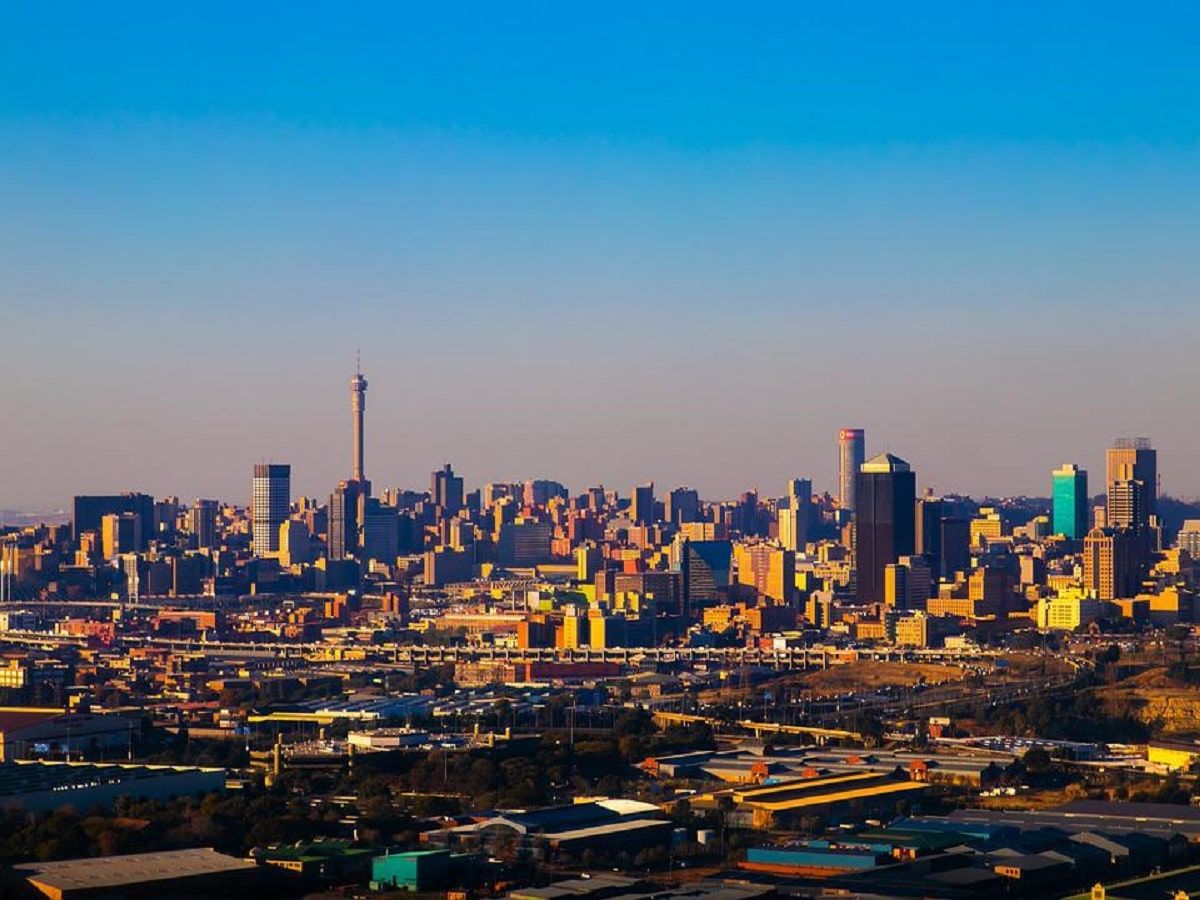
johannesburg south africa

South Africa Approves First Cannabis Pharmacy

The pharmacy, located in Johannesburg, supplies card-carrying medical cannabis patients and is registered with federal authorities

South Africa is powering forward with its cannabis reform plans. The country has now authorized its first legal cannabis-only pharmacy.

Located in Johannesburg, THC Pharmacy also supplies two other stores – both of which only sell CBD. CBD is now widely available in South Africa, however, THC is tightly controlled – and is still only allowed for medical purposes.

A doctor associated with the pharmacy assists patients with the application for medical cards.

Each card enables a patient to purchase up to 120 grams per month and the pharmacy is hoping to register 500 patients. This would allow the business to sell between 30-50 kgs per month.

Patients must fill out an application that is submitted to the South African Health Product Regulatory Authority (Sahpra) which is also the agency that dispenses the patient cards.

But in a unique twist, the pharmacy also employs a chef to advise patients on how to cook with the plant.

To obtain the business license, the pharmacy had to meet strict standards set out by Sahpra. As it has passed these, the establishment is able to not only sell cannabis but also legally cultivate it.

More than 100 pharmacies are now planned.

More Cannabis Reform in Progress

South Africa is determined to develop this part of its economy – and for obvious reasons. There is high demand for quality products outside the country in Europe and beyond. However, the country is also making sure that domestic needs will be met as well.

This is a marked turn in the development of the industry. For example, Greece, which is also on the hunt for both foreign investment and valuable export crops, did not allow domestic patients to obtain cannabis, even for medical purposes, until earlier this spring.

Beyond this, South Africa is moving forward on all fronts when it comes to cannabis cultivation and use and has since 2018. There is currently a bill in Parliament to extend cannabis reform to allow recreational use, commercial cultivation and for individuals to grow the plant at home. It is widely expected to pass this year.

Beyond this, the country is clearly acting as a force for cannabis reform across the continent. More and more African countries are looking to the development of the industry here to base their own cannabis reform and cultivation efforts.

In the meantime, it is clear South Africa intends to lead the way.

south africa

International Cannabis Business Conference

NEWS FROM AROUND THE GLOBE

BROUGHT TO YOU BY THE ICBC

© International Cannabis Chronicle. All rights reserved. Site developed and hosted by Rogue Web Works.