NEWS FROM AROUND THE GLOBE BROUGHT TO YOU BY THE ICBC

Tag: israel

Israel Flag

Medical Cannabis Patients Deserve To Cultivate Their Own Medicine

Having safe access to effective medications is something that should be a fundamental right. Unfortunately, as many medical cannabis patients around the world will attest, obtaining safe access to medical cannabis is not always easy. Even when cannabis is legal it can be expensive for many patients, which is why legal home cultivation is so vital. Sadly, many patients are denied the right to home cultivation, including in Israel where the nation’s top court recently rejected a case that sought to establish the right for patients to cultivate cannabis.

Prior to a change in 2016 patients in Israel were allowed to cultivate cannabis in their homes for medical use, which was noted by those seeking to legalize home cultivation in their filing. The petition to Israel’s top court involved eight medical cannabis patients who stated in their petition, among other things, that home cultivation should be legalized to help mitigate the costs of medical cannabis products which the patients claimed were too high. Unfortunately, Israel’s top court was not swayed.

Legal Reasoning

Another argument made by the petitioners was that they sought to “receive organic cannabis without pesticides and which does not undergo irradiation,” and that being able to cultivate cannabis at home would achieve that objective. Unfortunately, the judges that decided to reject the case pointed out various reasons for doing so, including the lack of timeliness of the petition. The judges pointed out that the decision to remove ‘cultivation, production’ from Israel’s medical cannabis law as it pertains to patients happened in 2016.

The judges argued that the petitioners ‘failed to exhaust procedures as required’ and also included a dose of reefer madness fearmongering by stating in their opinion that home cultivation generates ‘overuse, a high potential for theft and leakage, and there is no real medical advantage in self-cultivation of cannabis.’

“The feelings of the petitioners and their plight can be understood,” the judges wrote in the ruling (translated from Hebrew to English), “however, the petition must be rejected outright. This is, first and foremost, since the petitioners seek to obtain a government decision that was made about 6 years ago, so their petition was submitted with considerable delay. The petitioners, too now, they have not exhausted procedures against the relevant party and their early requests (to the Ministry of Health) did not contain the multitude of claims in the petition.”

The Fight For Safe Access Continues

Despite the opinions of Israel’s top court, the need for home cultivation in Israel will continue. It doesn’t matter how long ago Israel changed its policies regarding home cultivation. The fact of the matter is that not all patients can afford to only acquire their cannabis from regulated outlets. For many patients, it’s far more cost effective to cultivate their own cannabis, and in some cases, being prohibited from cultivating cannabis at home basically means that some patients will have to go without medicine entirely since they can’t afford it.

As the petitioners in this latest case in Israel highlighted, it is a huge benefit to some patients to be able to completely control what cannabis genetics they cultivate and what they use to feed their cannabis plants. The cannabis plant is dynamic, and human biology is complex, so there is no ‘one-size-fits-all’ cannabis product. What works for one patient may not work for the next patient, and public policy needs to account for that via legalized home cultivation.

The judges’ assertion that ‘there is no real medical advantage in self-cultivation’ is completely ridiculous and flies in the face of logic and compassion. Every patient deserves to cultivate their own medicine, and that is true in Israel as well as everywhere else on the planet.


israel

israel flag

The End of Israeli Public Cannabis Companies?

Before the pandemic, the Tel Aviv Stock Exchange was bubbling. Now the Tel Aviv Exchange is dropping the Cannabis Index. What gives?

In what is going to be a blow to the idea of a public cannabis company in Israel, if not beyond, the Tel Aviv Exchange has dealt another blow to the public cannabis company model. Namely, it is dropping the so-called Cannabis Index.

Just three years ago, both celebrities and public figures were being avidly recruited by Israeli cannabis companies to promote themselves to investors and raise their stock value. Much like in Canada, many Israeli companies that went public did so by merging with an existing shell company already listed on the exchange. After their debut on the exchange, at least initially, stock values soared. 18 months ago, the exchange then created its own Cannabis Index, although many doubted how useful this would be. The biggest reason for such early doubts? There were actually very few companies listed on the exchange, and as a result, it was dominated by just a few companies. In fact, the value of the exchange was mainly based on the valuation of just one company.

After soaring in value, the cannabis bubble burst, and the worth of the index has now dropped 70%, leading to the decision to delist it, as of this Thursday, August 4.

Are Public Companies the Future of The Cannabis Industry Anywhere?

While there are successful public cannabis companies, the continued roil of their worth on the public markets continues to be controversial. For example, Canopy Growth, by far the market leader both domestically and during the first expansion overseas, to Germany, was just delisted in Canada.

Part of this painful arc is the huge costs that have been required to both build certified facilities as well as gain market share. The largest companies have gotten this way by acquisition rather than organic growth.

Part of this is the growth of the industry, in all places, almost simultaneously.

In Israel, the Pandemic is also surely partly to blame.

Not all public cannabis companies are doing badly. But the reality is as the industry goes into its next iteration that public companies are not necessarily the only model, or the best one, to create a profitable company.

The Israeli exchange may be headed for extinction, but the idea of a public cannabis company is not.

For all the excitement about recreational legalization, one thing is increasingly abundantly clear. The structure of cannabis companies themselves is far from a given – and public companies may not (yet) be the best or ideal way to raise cash and conduct global operations.

While there are increasing numbers of public pot companies globally, it is also clear that there have been some gigantic missteps too.

israel

pain

Study Finds That Aerosolized Cannabis Significantly Reduces Pain Levels

Cannabis inhalers are not necessarily a new technology, however, they are definitely newer than some other consumption methods. It’s an emerging technology in the cannabis space.

Many medical cannabis patients would likely prefer to use an inhaler versus smoking cannabis, and I am sure that many medical professionals would prefer that patients use inhalers as well.

Researchers in Israel recently conducted a study involving a specific type of cannabis inhaler to measure its efficacy on pain among neuropathy patients. Below is more information about it via a news release from NORML:

Haifa, Israel: The administration of aerosolized cannabis via a novel inhaler is associated with long-term pain reductions in patients with neuropathy and other chronic conditions, according to data published in the journal Pain Reports.

Israeli investigators assessed the efficacy of cannabis delivered via a novel metered selective dose inhaler (The Syqe Inhaler) in a cohort of chronic pain patients. The mean daily stable dose used by patients in the study was 1.5 mg of aerosolized delta-9-THC.

Use of the inhaler over a period of several months was associated with reduced pain scores and improvements in patients’ quality of life. Some patients reported mild side-effects (typically dizziness and sleepiness) at the onset of the study, but few participants continued to report these effects throughout the duration of the trial.

Authors concluded: “Medical cannabis treatment with the Syqe Inhaler demonstrated overall long-term pain reduction[s], quality of life improvement[s], and opioid-sparing effect[s] in a cohort of patients with chronic pain, using just a fraction of the amount of MC [medical cannabis] compared with other modes of delivery by inhalation. These outcomes were accompanied by a lower rate of AEs [adverse events] and almost no AE reports during a long-term steady-state follow-up. Additional follow-up in a larger population is warranted to corroborate our findings.”

According to recently compiled survey data, nearly one in three chronic pain patients report using cannabis for treatment management. Among patients in US states where medical cannabis access is permitted, over 60 percent are qualified to use it to treat pain.

Full text of the study, “Long-term effectiveness and safety of medical cannabis administered through the metered-dose Syqe Inhaler,” appears in Pain Reports. Additional information on cannabis and chronic pain is available from NORML.

israel, pain

stethescope doctor medical hospital

Cancer Patients Reduced Prescriptions, Improved Symptoms After Long-Term Cannabis Use

If you have battled cancer, or know someone that has, then you are completely aware of how awful of a condition it can be. To make matters worse, many of the current treatments for cancer come with a number of terrible side effects.

The cannabis plant has helped many cancer patients over many years in various ways, and according to a recent study in Israel, it is associated with reduced prescriptions and improvements in symptoms. Below is more information about it via a news release from NORML:

Haifa, Israel: The use of cannabis products over a six-month period is associated with statistical improvements in cancer-related symptoms as well as significant reductions in subjects’ use of prescription painkillers, according to longitudinal data published in the journal Frontiers in Pain Research.

Israeli researchers assessed the long-term use of cannabis in a cohort of several hundred oncology patients.

Consistent with studies of other patient cohorts, cannabis use was associated with symptom mitigation, improved quality of life, and reduced prescription drug use. Among those participants who completed the trial, nearly half ceased their use of analgesics.

Authors concluded: “The main finding of the current study is that most cancer comorbid symptoms improved significantly during six months of MC [medical cannabis] treatment. … Additionally, we found that MC treatment in cancer patients was well tolerated and safe. … In conclusion, this prospective, comprehensive and large-scale cohort demonstrated an overall mild to modest long-term statistical improvement of all investigated measures including pain, associated symptoms and, importantly, reduction in opioid (and other analgesics) use.”

Full text of the study, “The effectiveness and safety of medical cannabis for treating cancer related symptoms in oncology patients,” appears inFrontiers in Pain ResearchAdditional information is available from the NORML fact sheet, “Relationship Between Marijuana and Opioids.”

cancer, israel

israel flag

Researchers In Israel: Cancer Patients “Improved Significantly” After Medical Cannabis Use

Cancer is absolutely one of the worst things on this planet. If you or a loved one has suffered from cancer then you know firsthand how awful it is.

Scientists and doctors have worked countless hours over many decades to try to get to the bottom of what causes cancer in an attempt to try to prevent it, as well as working to determine what treatments are effective for people that develop cancer.

The cannabis plant is often the subject of cancer treatment research, with quite a bit of research determining that cannabis seems to be beneficial to some extent. That is what researchers in Israel seemed to find when they recently conducted a medical cannabis study involving oncology patients.

“The use of medical cannabis (MC) to treat cancer-related symptoms is rising. However, there is a lack of long-term trials to assess the benefits and safety of MC treatment in this population. In this work, we followed up prospectively and longitudinally on the effectiveness and safety of MC treatment.” the researchers stated.

“Oncology patients reported on multiple symptoms before and after MC treatment initiation at one-, three-, and 6-month follow-ups. Oncologists reported on the patients’ disease characteristics. Intention-to-treat models were used to assess changes in outcomes from baseline. MC treatment was initiated by 324 patients and 212, 158 and 126 reported at follow-ups.” the researchers stated regarding the study’s methodology.

“Most outcome measures improved significantly during MC treatment for most patients (p < 0.005). Specifically, at 6 months, total cancer symptoms burden declined from baseline by a median of 18%, from 122 (82–157) at baseline to 89 (45–138) at endpoint (−18.98; 95%CI= −26.95 to −11.00; p < 0.001). Reported adverse effects were common but mostly non-serious and remained stable during MC treatment.” the researchers determined.

“The results of this study suggest that MC treatment is generally safe for oncology patients and can potentially reduce the burden of associated symptoms with no serious MC-related adverse effects.” the researchers concluded.

Feel free to share the results of this study with people that you know. As always, make sure to consult with your doctor before starting any medical treatment, including medical cannabis treatment.

israel

cannabis plant

Are More Potent Cannabis Strains On The Way?

Israeli researchers are able to increase the levels of all kinds of cannabinoids by introducing a plant-based virus to the grow cycle

The boogie man of the modern legalization movement is the oft-repeated statement that what is available today is “not your grandparents’ weed.” Namely that modern strains are “more potent” than strains available in the 1960s and 1970s.

While this is certainly a hard claim to verify anecdotally since the modern cannabis industry has a much wider variety of cultivars as well as strain “strength,” genetically modified and engineered new strains were always going to be part of the mix.

However, there has been an interesting development in Israel, home of the world’s most cutting-edge research on cannabis. Researchers have now been able to successfully engineer and cultivate a plant with up to 17% higher THC and 25% higher CBG levels, plus 30% more terpenes.

Further, for the first time, it appears possible to tailor individual strains plus the ratio between them. The method that the researchers used influences the production of active substances in the growing plant. They developed an innovative technology that allows a specially engineered virus to “infect” the plant to create the chemical reactions that produced custom levels of desired cannabinoids in their research crops.

The medical impact alone is significant. Not to mention a much more efficient use of space – which is even more significant when cultivating inside. However, this is research that won’t stay inside either a lab or even corporate cultivation for long. Home growers will be able to use this technology too.

Custom cultivated cannabis seems just around the corner.

Out of the Lab and Influencing the Industry?

One of the other really interesting aspects of this development is its potential impact on “whole-plant” medicine. In the world of pharma, individual compounds (like THC or CBD isolates) have been a major focus of the formal pharma part of the industry – and for several reasons.

The first is the stability of strains themselves. Growing cannabis with consistent levels of any cannabinoid is not easy to do on a corporate scale (as many commercial growers, even with pharmaceutical plant experience have discovered). Using this innovative technology would certainly help increase the stability of crops, no matter what kind of seeds were used.

Beyond this, the impact of highly personalized medicine, created not by a large company but by start-ups and even individuals, is the cusp of a revolution most in the industry hoped they would see sooner rather than later.

The other side of this kind of technological development is that in some ways it is a direct threat to biodiversity – which is also a huge industry issue.

The future most certainly, is “here.”

israel

cannabis seeds

Israeli Medical Cannabis Seeds Legally Shipped To U.S. In Historic First

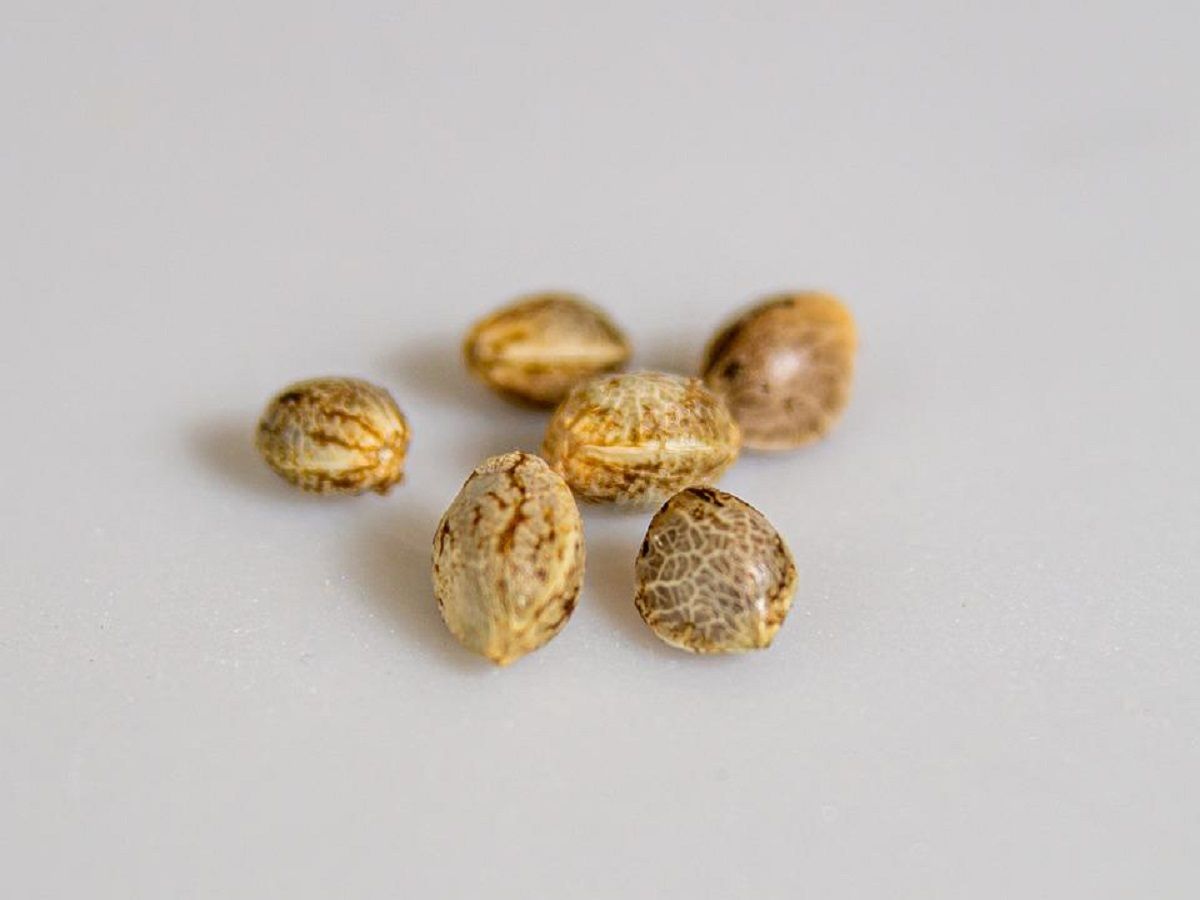
In a historic first, medical cannabis seeds were legally exported this week from Israel to the United States according to Israel’s Agriculture Ministry. Last August Israel’s government reformed cannabis export laws to permit the legal export of medical cannabis seeds, with this week’s shipment to the United States serving as the culmination of many months of effort.

For many decades Israel has served as an international leader when it comes to medical cannabis research. After all, Israel is the home of famed chemist Raphael Mechoulam who is credited with being the first to isolate both CBD and THC back in 1963 and 1964 respectively. From the 1960s until fairly recently, Israel was one of the very few countries that even permitted large-scale cannabis research, let alone embraced it.

Heavily-Researched Cannabis Genetics

It’s not a leap to assume that Israel is sitting on some amazing cannabis genetics given the amount of research its scientists have conducted over so many years. What type of strain(s) were involved in Israel’s first legal cannabis seed exportation is unclear. Who will be on the receiving end of the shipment is also unclear. All that was referenced in the Israeli government’s announcement on that front was, “Upon arrival, the seeds will be examined by commercial hemp growers to verify their suitability for the US market.”

The specific seeds at the heart of this story sent from Israel to the United States originated from the BetterSeeds company. Per the BetterSeeds company’s website, “BetterSeeds makes use of genome editing technology (CRISPR-Cas9) in order to produce new varieties, incorporating game changing traits which are not today available across all crops due to the limitations of conventional breeding. Genome editing technologies make precise and rapid breeding possible by introducing specific, controlled and preselected changes in the plant genome.”

BetterSeeds produces more than just cannabis seeds and appears to produce seeds for nearly every type of major crop imaginable. I know that when I read ‘genome editing technologies’ it gave me a bit of heartburn, and I know that I am likely not alone in feeling that way.  However, the seeds that were sent to the United States are proprietary in nature, so we may never know for sure what they are and/or how they may have been altered in some manner.

A Small, Significant Milestone

This first-ever legal shipment of cannabis seeds from Israel out to the international community is worth keeping in context. It is essentially a test run to help ensure that the shipment can be performed and completed in a way that complies with regulations in both Israel and the United States, as well as within evolving international cannabis policy (at least to some degree).

“The shipment is an experimental and initial shipment, after which contacts will be made regarding the continued export. This is a historic step as part of the implementation of Government Resolution No. 4490, which was updated last August to include the export of medical cannabis seeds from Israel, and could lead to the opening of additional international markets for Israeli exports and significantly advance the medical cannabis industry in Israel.” the Ministry stated in its press release.

“The opening of seed exports in the field of cannabis is expected to strengthen Israel’s position as having knowledge and expertise in the field of seeds. In addition, increasing the range of exports and expanding it to cannabis products, will enable the deepening of existing markets and penetration into new markets while riding on the growing wave of demand for cannabis products with medical-health value. Moreover, Israel is among the leading countries in seed research and development in general as well as medical cannabis in particular, and cannabis seed exports are expected to attract interest from various researchers around the world and further strengthen the field of research.” the Ministry also stated in its press release.

Obviously, this is not the first time that cannabis seeds have been shipped from one part of the world to another. It’s quite likely, if not guaranteed, that seeds from Israel have specifically made it from Israel to the United States in the past, albeit illegally. Still, this is a big milestone for a country that is sitting on a wealth of knowledge, experience, and other valuable assets, including genetics. Hopefully it leads to a much larger global involvement for Israel within the emerging international cannabis industry.

israel

cannabis flower plants buds garden

Israel Study Finds Favorable Results Regarding Cannabis And Tourette Syndrome

According to the Mayo Clinic, “Tourette (too-RET) syndrome is a disorder that involves repetitive movements or unwanted sounds (tics) that can’t be easily controlled.”

Symptoms typically involve eye blinking, head jerking, mouth movements, and audible sounds (including words and phrases). The onset of symptoms tends to begin when a patient is in their youth, and men are 3-4 times as likely to develop the condition compared to women.

A study in 2009 found that as much as 1% of the global population suffers from Tourette syndrome. For many years global health experts underestimated the number of patients that suffer from the condition. A study in 2001 found the rate of Tourette syndrome among student populations to be 50 to 75 times higher than had been traditionally thought by doctors in past decades.

Most of the traditional treatments for Tourette syndrome involve pharmaceutical drugs. A new study out of Israel found that medical cannabis may be a viable treatment option for suffering patients. Below is more information about it via a news release from NORML:

Tel Aviv, Israel: Patients with Tourette syndrome (TS) experience reductions in tic severity and improvements in their overall quality of life following cannabis treatment, according to trial results published in the journal Behavioral Neurology.

Israeli researchers assessed the use of medical cannabis products in 15 patients with Tourette syndrome over a 12-week period.

Subjects experienced, on average, a 38 percent reduction in their tic severity – as assessed by the Yale Global Tic Severity Scale. A significant percentage of study participants also reported improvements in mood, sleep, and sexual function.

Patients were most responsive to formulations high in THC and low in CBD and they favored inhaling cannabis flowers over consuming sublingual oil extracts.

The most commonly reported side-effects from cannabis were dry-mouth, fatigue, and dizziness.

Authors concluded: “From our data, it is suggested that MC [medical cannabis] might be a treatment option for resistant TS patients, and MC has a significant effect on tics, premonitory urges, and patients’ overall quality of life.”

Separate trials have similarly reported that the administration of either whole-plant cannabis or oral THC mitigate symptoms in patients with TS, including those with treatment-resistant forms of the disease.

Full text of the study, “Medical cannabis for Gilles de la Tourette syndrome: An open-label prospective study,” appears in Behavioral Neurology. Additional information on cannabis and TS is available from NORML.

israel, tourette syndrome

Israel Flag

Are Cannabis Expungements On The Way In Israel?

News surfaced out of Israel yesterday regarding big changes to Israel’s current cannabis policy. A temporary order is currently in place in Israel that prevents criminal charges from being applied to cannabis-only offenses in certain instances.

Israel’s government announced plans over the weekend to make that temporary policy permanent. Per Haaretz:

The Israeli government is considering decriminalizing recreational marijuana use and expunging the criminal records of those convicted of personal possession or use of cannabis, President Isaac Herzog and Justice Minister Gideon Sa’ar announced Sunday.

On approval of the new regulations, those with recreational-use convictions would be able to submit a request to have their records voided, while those with pending criminal proceedings would be able to contact the police with a request to drop the charges. The move, said the statement, is intended “to lift the criminal labeling and the stain that accompanies it” and to “complement” decriminalization regulations published last month.

Unfortunately, the new policy does not extend to people that were charged/convicted during military service or to minors. The new policy does extend to drug paraphernalia charges, albeit not if the case involves a member of the military or a minor.

The policy announcement was coupled with news that personal cannabis use and possession would be ‘completely decriminalized’ with a maximum fine of 1,000 shekels. Passage of the policy change is expected as early as this week, and implementation would be immediate.

Last week Israel announced plans to decriminalize CBD over the course of two years. It’s unclear how this latest announcement affects the proposed CBD policy change.

israel

israel flag

Israel Plans To Decriminalize CBD Two Years From Now

Cannabidiol (CBD) is arguably the most popular cannabinoid on the planet right now, at least by some measures. For instance, over the course of the last year searches on Google for ‘CBD’ have far exceeded searches for ‘THC’.

Products infused with CBD can be found almost all over the planet these days it seems like, with CBD being infused into all types of products including edibles, topicals, and even fabrics. Unfortunately, CBD is still illegal in some countries, including in Israel.

Israel’s government recently announced plans to finally decriminalize CBD, however, it’s a policy change that is not going to happen any time soon. Per Haaretz:

The Health Ministry has begun the process of exempting CBD, or cannabidiol, one of the active ingredients in cannabis, from its list of dangerous drugs.

According to the ministry’s plan announced Monday, sales of the chemical substance, which is used in food, medical and cosmetic products, will be permitted in about two years, after authorities complete all the necessary preparations.

Health Minister Nitzan Horowitz said decriminalizing CBD was part of a greater push “for the regulation of the cannabis plant,” adding that “it is widely agreed [CBD] should not be classified as a dangerous drug.”

Israel has long served as an international leader when it comes to cannabis research, and it makes no sense why the country would have such a harsh approach to CBD. After all, CBD does not induce euphoria.

In the United States, where medical cannabis is still illegal at the federal level, hemp-derived CBD is legal and sold nationwide. CBD products are sold all over Europe. Even in Thailand, where people used to get the death penalty for cannabis offenses, CBD is legal nationwide.

Putting aside that CBD is still illegal in Israel, which is odd to say the least, why is it going to take two years before CBD is exempted from Israel’s list of dangerous drugs? For a country that is so progressive on cannabis policy in some ways, Israel is clearly on the wrong side of history when it comes to CBD.

israel

human eye glaucoma

Cannabis-Infused Eye Drops May Treat Rare Form Of Dystonia

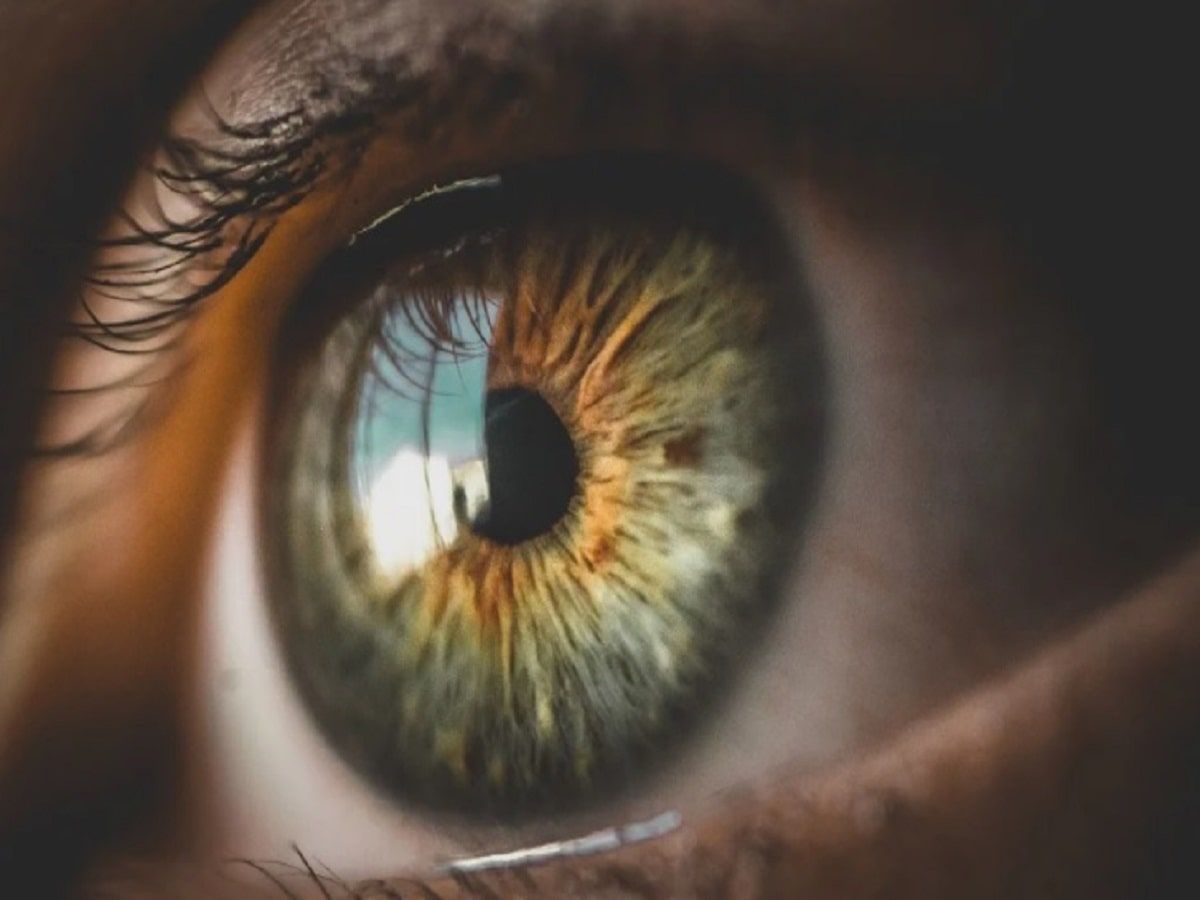
It is always a very irritating feeling when a person gets something caught between their eyeball and their eyelid, especially when they can’t seem to get it out. The same is true when a person’s eyelid twitches due to them being tired, stressed, or having too much caffeine. In a vast majority of those cases, the discomfort and irritation goes away fairly quickly.

Unfortunately, some people have to deal with those situations on a frequent basis. It is a rare, bilateral condition known as benign essential blepharospasm. It is unknown what causes the condition, which involves muscles around the eyes and eyelids spasming uncontrollably.

A team of researchers in Israel recently conducted a clinical trial using cannabis-infused eye drops to see if the cannabis delivery method could effectively treat benign essential blepharospasm. Below is more information about it via a news release from NORML:

Tel Aviv, Israel: The administration of cannabis-infused eye drops reduces spasms in patients diagnosed with the progressive neurological disorder benign essential blepharospasm (BEB), according to placebo-controlled data published in the journal Graefe’s Archive for Clinical and Experimental Ophthalmology. BEB is a rare type of dystonia that is characterized by the abnormal blinking or spasming of the eyelids.

A team of Israeli researchers compared cannabis-infused eye drops versus placebo in patients with BEB over a period of several weeks. Cannabis treatments were associated with significant reductions in the both the frequency and duration of patients’ spasms.

Authors concluded, “Medical cannabis can be an effective and safe treatment for BEB as a second line after BTX-A injections when used for three months. No significant ocular or systemic side effects was associated with the treatment.”

Full text of the study, “Medical cannabis oil for benign essential blepharospasm: A prospective, randomized controlled pilot study,” appears in Graefe’s Archive for Clinical and Experimental Ophthalmology. Additional information on cannabis and dystonia is available from NORML.

israel

  • 1
  • 2
International Cannabis Business Conference

NEWS FROM AROUND THE GLOBE

BROUGHT TO YOU BY THE ICBC

© International Cannabis Chronicle. All rights reserved. Site developed and hosted by Rogue Web Works.