NEWS FROM AROUND THE GLOBE BROUGHT TO YOU BY THE ICBC

Author: Frank Schuler

Frank Schuler is originally from Switzerland and reports on cannabis industry and policy news from around the world.
dominican republic flag

Cannabis Stigma On Full Display In The Dominican Republic

Cannabis reform is spreading throughout the Western Hemisphere. After all, the Western Hemisphere is home to both Uruguay and Canada, which represent two-thirds of all countries where cannabis is legal nationwide for adult use.

The only other nation that has passed an adult use legalization measure is Malta, and not only does Malta still prohibit sales, it also will have a far more limited legalization model built entirely on non-profit cannabis clubs and home cultivation when legal access does eventually improve.

The Caribbean region has been particularly active in recent years on the cannabis policy reform front, with some exceptions. One major exception is the Dominican Republic, where even medical cannabis is still prohibited.

The Dominican Republic has gone as far as trying to outlaw clothing and music that promotes cannabis, with a new fine being proposed for anyone caught violating the prohibition. Per Dominican Today:

A bill is being debated in the Senate of the Republic that would prohibit all types of music, publication, publicity, propaganda, or programs distributed through traditional media, social networks, or any other means that contain auditory, printed, or audiovisual subliminal stimuli and messages that encourage the consumption and illegal trafficking of drugs and controlled substances. The initiative, spearheaded by Hato Mayor senator Cristóbal Venerado Castillo (PRM), seeks to amend Article 36 of Dominican Republic Law 50-88 on Drugs and Controlled Substances.

Dominican Republic law was previously amended earlier this month to extend ‘the prohibition on inciting the consumption of drugs and controlled substances’ to music, apparel, and ‘other means of dissemination.’ The previous amendment did not include a sanction.

This is obviously blatant reefer madness, and a clear attempt to trample on freedom of expression. Not all songs about cannabis or articles of clothing with cannabis leaves on them are geared towards encouraging consumption, not that it is necessarily wrong even if it is meant to encourage consumption.

However, many songs and articles of clothing and ‘other means of dissemination’ are political in nature, geared towards encouraging people to push for cannabis reform. This new policy is ripe for abuse and selective enforcement.

Dominican Republic

CBD oil

CBD Extract Autism Trial Results In Australia Are Encouraging

One of the most promising areas of cannabis research in recent years involves cannabidiol (CBD) and autism. A number of peer-reviewed studies have found that CBD can be an effective treatment for people diagnosed with autism, including children.

The topic of cannabis and children is unfortunately the target of significant stigma. To some degree, concern regarding cannabis and children is understandable given that some cannabinoids can yield psychoactive effects, however, CBD is not one of those.

Every suffering patient deserves to have safe access to effective forms of medicine, and that includes children and CBD if a medical professional and the children’s parents determine that CBD is part of a proper medication strategy. A recent study in Australia found promising results for CBD and children diagnosed with autism. Below is more information about it via a news release from NORML:

Melbourne, Australia: Children with autism spectrum disorder (ASD) show significant improvements in their symptoms following the use of plant-derived CBD dominant extracts, according to phase 1 trial results reported by Australian media.

Patients in the trial consumed extracts containing CBD and other non-THC phyto-cannabinoids twice daily for a period of at least two months. Researchers affiliated with the study said that patients experienced significant changes in communication and socialization skills, among other symptom improvements. Side-effects were minimal.

The findings are consistent with several other studies similarly reporting improvements in pediatric patients’ ASD symptoms following the use of cannabinoid products, particularly CBD-rich extracts. Survey data published in 2021 by Autism Parenting Magazine reported that 22 percent of US caregivers or parents have provided CBD to an autistic child. Survey data from the United Kingdom recently reported that autistic adults were nearly four times as likely as controls to report having used CBD within the past year.

Additional information on cannabis and ASD is available from NORML’s publication, Clinical Applications for Cannabis & Cannabinoids.

australia

back pain

Israeli Cannabis Study Finds Improvements In Patients With Treatment-Resistant Fibromyalgia

Fibromyalgia is a condition involving widespread musculoskeletal pain. The condition is accompanied by feelings of fatigue, lack of sleep, memory issues, and mood swings. It is estimated that as many as 1 out of every 20 people on earth suffers from fibromyalgia.

Women are much more likely to be diagnosed with fibromyalgia compared to men, with roughly seven times as many women suffering from the condition compared to men. Women between the ages of 20 and 55 are particularly susceptible to being diagnosed with fibromyalgia.

Pharmaceutical prescriptions, including anti-depressants, are common treatments for fibromyalgia, although most if not all of them can yield very undesirable side effects. Fortunately, cannabis provides a safer alternative to many pharmaceutical drugs, and a recent study in Israel found it to be effective. Below is more information about it via a news release from NORML:

Holon, Israel: Cannabis treatment is associated with quality of life improvements in patients with treatment-resistant fibromyalgia (FM), according to the results of a prospective cohort study published in the journal Pain Practice.

Israeli researchers evaluated cannabis’ efficacy in a cohort of 30 patients diagnosed with fibromyalgia. All of the study’s participants had previously failed to respond to conventional pharmaceutical treatments. Investigators assessed patients’ quality of life, general health, and physical health following 30 days of cannabis treatment.

They determined: “Cannabis treatment … showed a marked improvement in general quality-of-life by 1.97 points out of a 5-point score and enhanced general health by 1.83 scores. Cannabis treatment also improved the physical health domain score by 1.5 points. Further examination of the physical health subdomains showed a reduction of 1.67 points in pain and discomfort, pain and fatigue (1.57), and an improvement of 2.13 points in activities of daily living.”

The authors further acknowledged that cannabis use was also associated with improvements in patients’ self-esteem, mood, memory, and concentration.

“This study suggests that cannabis treatment shows short-term improvement in quality of life through its influence on pain, sleep, and physical and psychological domains,” they concluded. “Further studies are still indicated to understand this potential and its long-term beneficial impact.”

Survey data reports that fibromyalgia patients frequently consume cannabis for therapeutic purposes, and several recent observational trials have affirmed its safety and efficacy in this population. A recent review of the relevant literature, published in 2021, concluded, “[T]he use of cannabinoids and cannabis carries limited side effects in the treatment of FM, and they can also improve some common and debilitating symptoms associated with FM, thus making them an adequate potential treatment option, when other treatment lines have been exhausted.”

Full text of the study, “The role of cannabis in treatment-resistant fibromyalgia women,” appears in Pain Practice. Additional information on cannabis and FM is available from NORML.

israel

headache headaches brain pain

Cannabis Benefits Headache Patients According To New Canadian Study

Headaches are one of the most common health conditions that people suffer from around the globe, with the severity and frequency of headaches varying from person to person. For some people, headaches are rare and when they do occur they go away fairly quickly after a short amount of time, often without the assistance of medication.

However, for many other sufferers, headaches can be frequent, severe, and over-the-counter medications are not enough to help reduce the pain and suffering. For folks in the latter group, a recent study out of Canada provides some hope, with researchers finding that headache patients frequently report benefits from using cannabis. Below is more information about it via a news release from NORML:

Alberta, Canada: Patients suffering from headache disorders frequently experience relief from the use of cannabis, according to survey data published in the Canadian Journal of Neurology.

Researchers surveyed 200 patients associated with a tertiary headache clinic in Calgary regarding their use of cannabis products. (Cannabis is legal in Canada for both medical and adult use.)

Over one-third of respondents (34 percent) acknowledged currently engaging in the use of cannabis. Of these, 60 percent perceived cannabis to be effective at reducing the severity of their headaches, while 29 percent said it mitigated headache frequency. Subjects most frequently reported consuming liquid cannabis preparations or inhaling cannabis flowers.

“The findings of this survey document patient’s perceived benefit of cannabinoids in the management of headache,” authors reported. “The results of this exploratory survey will aid neurologists and headache specialists in understanding the current trends in use of cannabis products in more severely affected headache patients and inform treatment parameters when designing controlled studies of cannabis in this setting.”

Numerous other surveys similarly report that those suffering from migraines often turn to cannabis for symptomatic relief, and many patients say that it is more effective than prescription medications. A recent literature review of 12 previously published studies involving 1,980 participants concluded that cannabis preparations likely provide for the prophylactic and abortive treatment of migraines.

Full text of the study, “Cannabinoid use in a tertiary headache clinic: A cross-sectional survey,” appears in the Canadian Journal of Neurology. Additional information on cannabis and migraine is available from NORML.


Canada

cannabis flower

Cannabis Associated With Improved Quality Of Life for Tourette Syndrome Patients

It is estimated that roughly 0.5-1% of the world’s population has been diagnosed with some level of Tourette Syndrome, although the actual rate of people suffering from the condition could be greater due to gaps in identification and treatment in some parts of the world.

According to the National Institute of Neurological Disorders and Stroke, “Tourette syndrome (TS) is a neurological disorder characterized by sudden, repetitive, rapid, and unwanted movements or vocal sounds called tics.” Currently, there is no cure for the condition.

Various treatments for Tourette Syndrome exist, with common ones being dopamine blockers, Botox injections, ADHD medications, anti-depressants, and anti-seizure medications. Everyone of those treatments can yield possible side effects. Fortunately, a recent study in Israel found that cannabis may help. Below is more information about it via a news release from NORML:

Tel Aviv, Israel: Tourette syndrome (TS) patients’ who consume cannabis products report significant improvements in their quality of life and reduce their intake of prescription medicines, according to data published in the journal Cannabis and Cannabinoid Research.

Israeli researchers assessed patients’ symptoms immediately prior to and following six months of cannabis treatment. Study participants generally inhaled THC-dominant cannabis flowers, though some patients also consumed extract formulations.

Researchers reported, “A statistically significant improvement in quality of life, employment status, and [a] reduction in the number of medications was found, with a statistically significant number of patients reporting improvements in OCD and anxiety symptoms after six months of treatment.” The authors also identified improvements in motor and vocal tic severity, but they acknowledged that these changes were not statistically significant.

Few patients reported experiencing adverse effects from cannabis treatment. Most commonly reported side effects were dry mouth, dizziness, and fatigue.

“Our findings suggest that medical cannabis may be an effective and safe option to improve comorbidities and quality of life in TS patients,” authors concluded. “Medical cannabis effectiveness should be further evaluated in large-scale randomized clinical trials.”

TS patients frequently report gaining symptomatic relief from cannabis, and several human trials have identified positive results in cohorts using either oral THC or inhaled cannabis.

Full text of the study, “Use of medical cannabis in patients with Gilles de la Tourette’s Syndrome in a real-world setting, appears in Cannabis and Cannabinoid Research. Additional information on cannabis and TS is available from NORML.

israel

canada flag

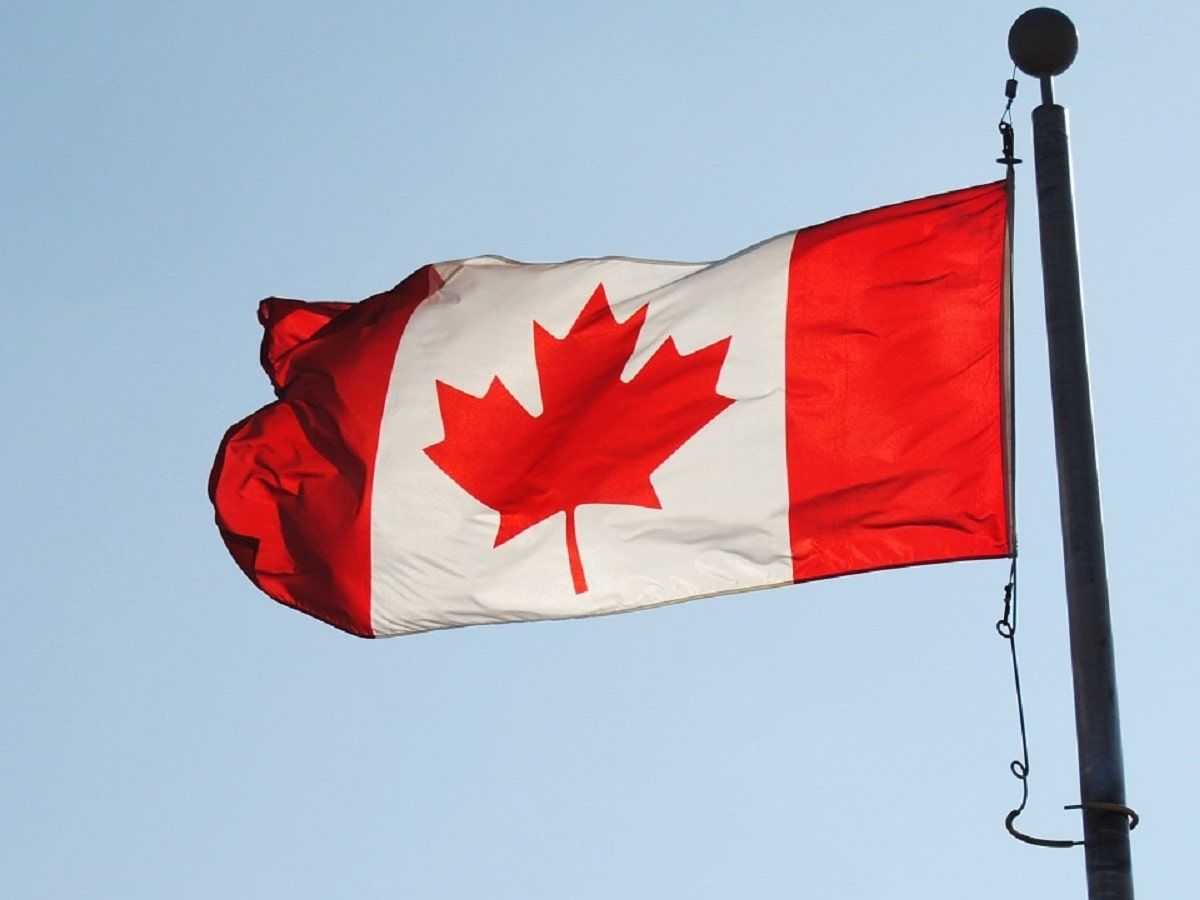
Who Is Conducting The Legislative Review Of Canada’s Cannabis Act?

Canada is one of only three countries on earth where cannabis is legal nationwide for adult use. The only other two countries are Uruguay and Malta. Uruguay initially passed its legalization measure back in 2013, making it the first country to ever pass a national adult-use legalization measure. Malta passed its law, which is much more limited compared to its legalization peers, late last year.

Unlike Uruguay and Malta, Canada allows legal sales to people of legal age regardless of their residence status. Uruguay limits legal sales to residents only, and Malta has yet to issue any adult-use license of any kind, and as a result, adult-use sales are still prohibited in Malta.

As part of Canada’s legalization policy, a four year review is being conducted to determine what lessons can be learned from what is often described as ‘the biggest cannabis policy and industry experiment on planet earth.’ Canada’s government recently announced who will be conducting the legislative review. Below is more information about it via a news release from the Government of Canada:

Today, the Honourable Jean-Yves Duclos, Minister of Health, and the Honourable Carolyn Bennett, Minister of Mental Health and Addictions and Associate Minister of Health, announced the members of the Expert Panel on the legislative review of the Cannabis Act

The Panel will provide independent, expert advice to both ministers on progress made towards achieving the Act’s objectives and help identify potential areas for improving the functioning of the legislation.

The ministers have taken a number of factors, such as geography, expertise, and demographic representation, into consideration when making their selection. They have carefully selected individuals who represent Canada’s diversity, and collectively hold significant public sector experience, expertise in public health and justice, and experience engaging with Indigenous communities and organizations.

The Expert Panel, chaired by Morris Rosenberg, will lead a credible and inclusive review with the following members:

  • Dr. Oyedeji Ayonrinde
  • Dr. Patricia J. Conrod
  • Lynda L. Levesque
  • Dr. Peter Selby

The ministers have mandated the Expert Panel to engage with the public, governments, Indigenous peoples, youth, marginalized and racialized communities, cannabis industry representatives, and people who access cannabis for medical purposes, to gather their perspectives on the implementation and administration of the Cannabis Act. The independent Expert Panel is also expected to meet  and consult with experts in relevant fields, including, but not limited to, public health, substance use, criminal justice, law enforcement, Indigenous governance and rights and health care.

To help inform the Panel’s work, Health Canada has extended their online engagement process for Indigenous peoples. First Nations, Inuit, and Métis peoples are invited to read and provide feedback on the Summary from Engagement with First Nations, Inuit and Métis Peoples: The Cannabis Act and its Impacts, which is open until January 15, 2023.

Quotes

“The Expert Panel will provide us with an independent, inclusive and evidence-informed review of the Cannabis Act and its economic, social, and environmental impacts, as well as the progress that’s been made displacing the illicit cannabis market. We welcome the Expert Panel members and look forward to reviewing their findings to help address the ongoing and emerging needs of Canadians while protecting their health and safety.”

The Honourable Jean-Yves Duclos
Minister of Health

“The Cannabis Act has been instrumental in our efforts to protect youth from accessing cannabis, displacing the illegal market, and providing adult consumers with access to a safe supply of cannabis, but there’s more work to do. We congratulate the new members of the Expert Panel, and look forward to their work assessing our progress in meeting the goals of the Act and guiding our next steps.”

The Honourable Carolyn Bennett
Minister of Mental Health and Addictions and Associate Minister of Health 

“It’s my great pleasure to begin working with the members of the Expert Panel. Each member brings a wealth of experience and knowledge, which will be essential as we conduct a thorough, independent review of the Cannabis Act.”

Morris Rosenberg
Chair of the Expert Panel

Quick facts

  • The Act requires the Minister of Health to conduct a review of the legislation, its administration, and operation three years after coming into force, and for the Minister to table a report on this review in both Houses of Parliament 18 months after the review begins.
  • The legislative review will assess the progress made towards achieving the Act’s objectives, and will evaluate:
    • Impacts on young persons;
    • Progress towards providing adults with access to strictly regulated, lower risk, legal cannabis products;
    • Progress made in deterring criminal activity and displacing the illicit cannabis market;
    • Impacts of legalization and regulation on access to cannabis for medical purposes;
    • Impacts on First Nations, Inuit, and Métis Peoples and communities; and
    • Trends and impact of home cultivation of cannabis for non-medical purposes.
  • The Panel will broaden that focus to include:
    • Economic, social and environmental impacts of the Act;
    • Impacts on racialized communities, and women who might be at greater risk of harm or face greater barriers to participation in the legal industry based on identity or socio-economic factors.
  • Budget 2022 included a commitment that Innovation, Science, and Economic Development Canada (ISED) would establish a cannabis industry engagement mechanism to advance industry-government collaboration.
  • ISED is presently designing a cannabis forum that will foster industry-government dialogue, and provide a means for industry and government to examine issues relevant to the long-term competitiveness and stability of the sector.

Associated links

Contacts

Guillaume Bertrand
Senior Communications Advisor and Press Secretary
Office of the Honourable Jean-Yves Duclos
Minister of Health
613-957-0200

Maja Staka
Press Secretary
Office of the Honourable Carolyn Bennett
Minister of Mental Health and Addictions and Associate Minister of Health
343-552-5568

Media Relations
Health Canada
613-957-2983
media@hc-sc.gc.ca

Public Inquiries:
613-957-2991
1-866-225-0709


Canada

dublin ireland law legal court criminal justice

Limited Legalization Measure Introduced In Ireland

People Before Profit TD Gino Kenny has formally filed an adult-use legalization measure that would legalize cannabis possession for people 18 years old or older in Ireland. The long-anticipated measure was introduced late last week, and if passed into law, would legalize the personal possession of up to seven grams of cannabis flower and 2.5 grams of concentrates. The bill would not legalize cannabis sales.

“I believe that if passed, this bill will provide a stepping stone to a more progressive drug policy in Ireland.” TD Gino Kenny stated on Twitter.

The legalization bill is now before the lower chamber of Ireland’s legislative body (the Dáil Éireann). It is not expected that the bill will advance this year, with TD Gino Kenny indicating at the time of the bill’s submission that he expects it to be debated in 2023.

This particular measure’s future is uncertain, as it faces an uphill battle to gain traction among Ireland’s lawmakers. One leading lawmaker has already come out fairly forcefully in opposition to the measure. Per excerpts from Independent:

The Taoiseach has warned against cannabis being “glamorised” after new proposals are due to be brought before the Oireachtas on legalising possession of up to 7g.

The former health minister said he would be in favour of a more healthcare-based approach to addiction and warned about the harms of cannabis.

“I think we have to be careful that we don’t glamorise cannabis either because there are real concerns within the health community and the medical community about what cannabis can do to young people.”

Currently, the Misuse of Drugs Acts in Ireland provides for a fine of €1,000 in the District Courts for first and second offenses involving personal possession. Larger fines can be handed down in some instances. If someone commits the offense of personal possession and it’s their third or greater offense of its type, the offender can be sentenced to up to one year in prison.

The Criminal Justice Act in Ireland mandates that courts must consider giving a community service penalty in place of a prison sentence, and that affects some cases. A poll from 2021 found that 93% of people in Ireland support medical cannabis legalization, yet only 40% support adult-use legalization.

ireland

colombia flag

Legalization Moves A Step Closer In Colombia

Colombia has served in many ways as ‘ground zero’ for the war on drugs over several decades, and while cocaine was largely the focus of eradication and enforcement efforts, cannabis has played a significant role in the South American country as well.

Infamous cannabis smugglers in the 1970s, such as Robert Platshorn, would purchase cannabis by the ton in Colombia and smuggle it back to the United States where the ‘Colombian Red’ and other well-known strains would then make their way around North America.

Colombia, along with every other nation in South America, has explored reforming its cannabis laws with a new focus in recent years after Uruguay became the first country on earth to pass a nationwide adult-use cannabis legalization measure. Uruguay initially passed the measure in 2013, however, legal sales would not launch until a handful of years later.

By virtually every measure, cannabis legalization is working in Uruguay. And just as it is working in Uruguay, so too could it work in Colombia. Fortunately for sensible cannabis policy, legalization moved one step closer to becoming reality in Colombia this week, with Senators voting to advance a legalization measure. Per Marijuana Moment:

A bill to legalize marijuana in Colombia has been approved in a Senate committee for the first time, weeks after it also advanced in the country’s Chamber of Representatives.

Lawmakers have met several times in recent weeks to debate the reform proposal, which would amend the country’s Constitution to end cannabis prohibition for adults.

It passed the First Committee of the Senate on Tuesday by a vote of 11-4, though there are still more legislative steps that must be taken before it’s potentially enacted into law.

It’s absolutely worth noting that just because there is support for a legalization measure in general among lawmakers, and even though a measure is working its way through the political process, nothing is guaranteed. Mexico is a great example of that.

Mexico’s Supreme Court ruled years ago that cannabis prohibition as it pertained to individuals was unconstitutional. Lawmakers were tasked with passing a legalization measure and standing up a regulated industry, which has failed to happen so far. Hopefully we don’t see legalization stall in a similar fashion in Colombia and legalization continues to move forward without delay.

colombia

cannabis plant bud flower

Pilot Project In Switzerland To Import Cannabis From Canada?

Cannabis pilot programs are part of an interesting public policy concept that is springing up in Europe. Essentially, cannabis pilot programs provide for limited adult-use cannabis commerce in a designated area and research from the pilot programs provide insight to lawmakers for if/when they craft national cannabis laws and regulations.

A cannabis pilot program already exists in Copenhagen, Denmark and lawmakers there are trying to expand pilot programs to other cities in the European country. All cannabis for Copenhagen’s pilot program is domestically produced.

Two other European countries previously announced plans to launch their own pilot programs, the Netherlands and Switzerland, although both countries have experienced setbacks. For the pilot program in Basel, Switzerland specifically, domestic cannabis failing to meet stringent pesticide requirements has resulted in the program looking elsewhere to source it’s cannabis, particularly in Canada. Per SRF News:

Possibilities of importing hemp from neighboring countries were clarified. According to the health department, the focus was on Germany. But because no solution was found, the Basel company switched to imports from Canada. “Canada has individual suppliers who legally sell organic hemp products.”

The ball is now in the hands of the Federal Office of Public Health, which grants approval for the pilot test and must also approve the import. Investigations are ongoing. “Whether a possible import is eligible for a permit, we can determine if there is a corresponding application or after its examination,” says the Federal Office.

How cannabis is sourced for adult-use commerce is tricky, which is being demonstrated by the ongoing effort in Germany to legalize adult-use cannabis sales. Germany is reportedly going to source all of the cannabis for its eventual adult-use market domestically. Apparently lawmakers and regulators seem to feel that while cannabis can be imported and exported for research and medical use, it cannot be imported for adult-use sales.

What is being proposed in Basel is somewhat interesting, in that someone could make a strong argument that the cannabis is indeed for research purposes, albeit to research whether adult-use sales can be properly regulated at a local level prior to being regulated at a national level. Only time will tell if the request in Switzerland is granted, and if so, what it would mean for other pilot programs.

Switzerland

Thailand flag

Thailand’s Health Minister Dismisses Calls To Re-Outlaw Cannabis

From a regional standpoint Thailand is leader in many ways when it comes to cannabis policy. Earlier this year Thailand implemented a very progressive change in cannabis policy that made it the most cannabis-friendly country in Southeast Asia.

Cannabis is legal for medical purposes in Thailand, however, it remains illegal for recreational use. All legal cannabis has to be below a .2% THC threshold. That threshold may not sound like much to some people, yet, a growing industry is built around low-THC cannabis varieties in Thailand now.

Leading up to the policy changes back in June, cannabis hardliners inside and outside of Thailand predicted doomsday scenarios for if/when cannabis laws became less harsh. Despite the sky still remaining above Thailand post-reform, opponents have continued to call for reversing course on cannabis policy. Fortunately, they are not getting a sympathetic audience from the nation’s health minster. Per Bangkok Post:

Public Health Minister Anutin Charnvirakul on Monday dismissed a plan to return marijuana to Type 5 narcotics status, saying that would fall under the remit of the Office of the Narcotics Control Board (ONCB).

According to Mr Anutin, the use of cannabis for medicinal purposes has, after much discussion and debate, already been decided upon.

Despite reassurances from Health Minister Anutin Charnvirakul, cannabis activists in Thailand are planning a rally this week to put pressure on a meeting of the Narcotics Control Board to help ensure that cannabis is not returned to Type 5 narcotics status.

“The attempt to return cannabis to a narcotic drug will affect millions of people who are planting it. Moreover, the remit would restrict people from accessing cannabis in the long term,” stated Prasitthichai Nunual, a representative of the People’s Network for Cannabis Legislation in Thailand, on Facebook according to The Bangkok Post.

Cannabis policy in Thailand can be confusing, with some people describing it as cannabis being legal in the Southeastern nation for recreational use. There’s quite a bit of confusion inside Thailand as to what is legal and what is not, which makes further reform and regulation necessary.

Thailand

sri lanka beach

Committee Of Experts In Sri Lanka To Explore Cannabis Exports

Sri Lanka, an island nation located in the Indian Ocean, has experienced tremendous economic and political turmoil in 2022. A fuel and food crisis spread across the country earlier this year, which then led to national protests that resulted in the ouster of President Gotabaya Rajapaksa.

President Rajapaksa temporarily fled the country in July, months after Sri Lanka defaulted on its estimated $50 billion external debt and declared bankruptcy. A multi-billion dollar loan from the International Monetary Fund has helped to some degree, however, the nation is in desperate need of any economic boost it can find.

One idea that has gained traction lately is to cultivate medical cannabis and export it. The emerging legal cannabis industry is spreading across the globe and already providing economic boosts wherever it is permitted to operate. A group of experts is being assembled to explore how Sri Lanka can get in on the action. Per News 1st:

Sri Lanka is proposing to explore the possibility of exporting marijuana.

President Ranil Wickremesinghe delivering the 2023 Budget speech said that a committee of experts will be appointed to explore the possibility of cultivating marijuana in Sri Lanka ONLY for export purposes.

Cannabis policy is complicated in Sri Lanka, but views regarding cannabis prohibition are evolving within the nation’s borders, just as they are elsewhere throughout the region ever since Thailand started to lead the way.

Sri Lanka is in a rough spot, in that it doesn’t share a land border with any other nation, which limits economic opportunity in some ways. Fortunately, the cannabis industry can operate in some form anywhere on earth, including in Sri Lanka.

The faster the reported committee of experts can come up with a viable plan, the better, as other countries are not waiting around for Sri Lanka to get things in gear. The opportunities for exports today will not be the same in a year as the legal international cannabis industry becomes more crowded and more competitive every passing month.

sri lanka

cannabis joint lounge social use space consumption

UK Study Finds That Inhaled Cannabis Reduces Pain And Anxiety

When it comes to medical cannabis, inhaled consumption methods can be seen as controversial within certain medical and political circles. After all, so much effort has been spent encouraging people to not smoke tobacco cigarettes, and many people see the two products as being one and the same. However, tobacco and cannabis are not the same thing, and studies demonstrate that.

Many lawmakers around the globe seem to be hesitant to legalize medical cannabis in forms that involve inhalation, which is unfortunate. For many suffering patients, inhaling cannabis is the cheapest and easiest way to consume their medicine, and given that inhaled cannabis interacts with the human body quicker compared to ingested cannabis, many patients prefer it for one reason or another.

Suffering patients should be able to consume cannabis in any manner that helps them, including inhaling it. A recent study from the United Kingdom found that inhaled cannabis may help treat pain and anxiety. Below is more information about it via a news release from NORML:

London, United Kingdom: The sustained vaporization of THC-dominant cannabis flowers improves health-related quality of life measurements in patients suffering from chronic pain and anxiety-related disorders, according to observational data published in the journal Biomedicines.

A team of British and Spanish investigators assessed cannabis’ efficacy in a cohort of 451 British patients authorized to consume cannabis flowers for treatment-resistant pain and/or anxiety. Patients in the study were all enrolled with Project Twenty21, “the first U.K. multi-center registry seeking to develop a body of real-world evidence to inform on the effectiveness and safety of medical cannabis.” All of the study’s participants had failed to respond to at least two prescription treatment options prior to obtaining an authorization for medical cannabis. All participants vaporized cannabis flowers for a period of at least three months.

Researchers reported that cannabis inhalation was associated with sustained (6+ months) improvements in both patient populations and that side effects were “minimal.” Investigators reported more significant improvements among those diagnosed with treatment-resistant anxiety.

“Our results indicate that controlled inhalation of pharmaceutical grade, THC-predominant cannabis flos [flowers] is associated with a significant improvement in patient-reported pain scores, mood, anxiety, sleep disturbances and overall HRQoL [health-related quality of life] in a treatment-resistant clinical population,” authors concluded.

Numerous surveys indicate that patients most frequently self-report using cannabis to mitigate symptoms of pain and anxiety.

Full text of the study, “Controlled inhalation of THC-predominant cannabis flos (flowers for inhalation) improves health-related quality of life and symptoms of pain and anxiety in eligible UK patients,” appears in Biomedicines.

United Kingdom

International Cannabis Business Conference

NEWS FROM AROUND THE GLOBE

BROUGHT TO YOU BY THE ICBC

© International Cannabis Chronicle. All rights reserved. Site developed and hosted by Rogue Web Works.