NEWS FROM AROUND THE GLOBE BROUGHT TO YOU BY THE ICBC

Author: Frank Schuler

Frank Schuler is originally from Switzerland and reports on cannabis industry and policy news from around the world.
Vilnius Lithuania

MPs Introduce Cannabis Decriminalization Measure In Lithuania

Lithuania may not be the first place that you think of when it comes to cannabis policy reform, however, efforts to reform the nation’s cannabis laws are underway in the European country, which is located in the Baltic region of the continent.

Last November, lawmakers in Lithuania voted on a measure that would have decriminalized small amounts of all controlled substances. The measure failed to pass.

Lithuania’s Committee on Legal Affairs was tasked at that time with coming up with a more narrowly tailored measure, and what they came up with was a cannabis decriminalization measure that would apply to small amounts of cannabis. Per excerpts from LRT:

The Lithuanian parliament’s Committee on Legal Affairs (TTK) has proposed to decriminalise the possession of small amounts of cannabis.

The new amendments propose to introduce fines, instead of criminal liability, for the possession of small quantities of cannabis.

“I see it as a political compromise. The task of TTK was to improve [the draft] and look for an option for which we would have a majority of votes,” said Morgana Danielė of the Freedom Party.

Lithuania originally passed a medical cannabis measure in 2017, however, cannabis remains criminalized for non-medical purposes.

Adult-use legalization is sweeping the European continent, with momentum picking up after Malta became the first country to legalize cannabis for recreational use late last year.

With that in mind, Lithuania’s reform measure is timid compared to what is being proposed in other parts of Europe, although the chances of this specific measure passing in Lithuania seem to be strong.

lithuania

jamaica flag

Jamaica Medical Cannabis Development Task Force Report Is Complete

Historically, Jamaica is one of the top countries associated with cannabis on the planet, and a very strong argument could be made that it is the country most associated with cannabis.

The Caribbean island nation is home to a large population of people that use cannabis for sacramental purposes, and it is no secret that the cannabis plant grows naturally all over Jamaica and that it is sought after by people all over the world.

As the emerging cannabis industry continues to spread across the globe and increase in size at an exponential rate it is no surprise that Jamaica is trying to take its rightful place as an international cannabis powerhouse.

Jamaica inched closer to that goal when it was announced earlier this month that the country’s cannabis task force has completed a report that it will present to lawmakers in the near future. Per Jamaica Observer:

The cannabis development task force, set up by the Government, has completed a comprehensive action plan with key initiatives to support the medical marijuana industry, to include small and traditional ganja farmers.

State minister for industry, investment and commerce, Dr Norman Dunn, stressed in his contribution to the 2022/23 Sectoral Debate in the House of Representatives Tuesday that “the industry is demanding that we aggressively implement the action plan in the 2022/23 financial year, and we are responding decisively”.

Small farmers have complained over the years that although laws were passed to decriminalise possession of a small quantity of marijuana and make way for the growth of a medical marijuana industry, the requirements of the legal framework places them at a severe disadvantage.

It’s not clear at this time exactly what is included in the report, however, as the previously cited media coverage touched on, it’s expected to have a focus on helping small farmers.

Meanwhile, the Westmoreland Hemp and Ganja Farmers Association is promoting its own proposal to help small farmers and entrepreneurs via a cannabis ‘free zone.’

Essentially, the zone would somewhat mimic that of Amsterdam to some degree, where cannabis commerce could be freely conducted within the zone similar to how coffee shops have historically operated in Amsterdam. Only time will tell if the proposal gets adopted.

jamaica

honduras flag

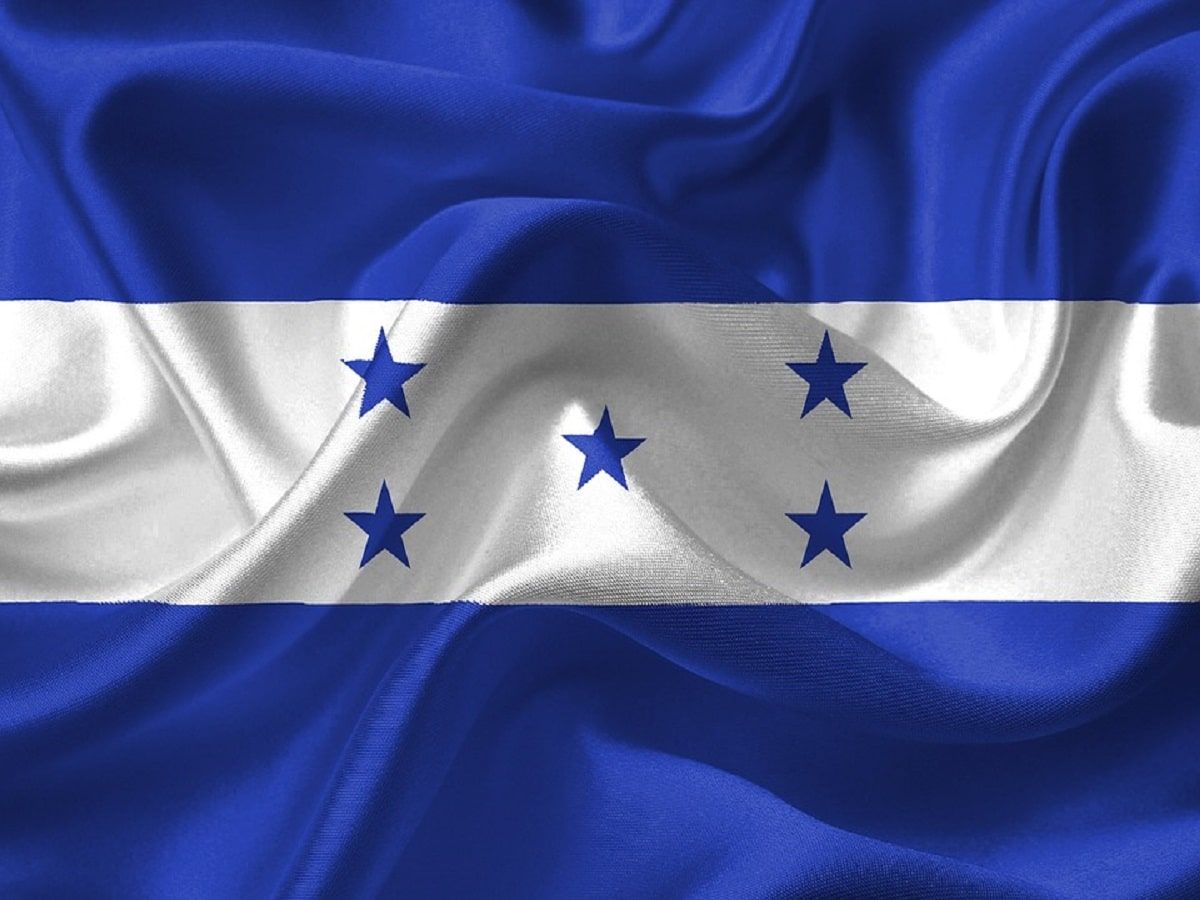
Honduras Vice President Wants To Create 85,000 Cannabis Jobs

One of the biggest selling points for reforming cannabis laws, for better or worse, is the industry component. Studies and polls have consistently found that more people support legalizing a taxed and regulated industry than just simply removing prohibition for personal use.

An example of this can be found in the results of a recent poll conducted in Australia. When asked if cannabis should be legal 50% of poll respondents expressed support for such a public policy shift. However, more people (55%) supported regulating the cannabis industry like tobacco and alcohol.

In a perfect world, people would support cannabis reform because it’s the right thing to do. In a less perfect world, some amount of voters need a societal financial incentive in order to support cannabis reform.

Job Creation

Recent history has clearly demonstrated that when the legal cannabis industry is allowed to operate, the industry can create a significant number of jobs.

For instance, the legal cannabis industry is responsible for creating over 151,000 jobs in Canada, and at least another 428,000 in the United States. You can compare those numbers to the number of jobs in other large industries and you will quickly see the job creation potential of the emerging cannabis industry.

Consider the fact that the United States Bureau of Labor and Statistics estimates that there are 285,980 hairdressers, hairstylists, and cosmetologists in the U.S.

The legal cannabis industry clearly exceeds that number. The cannabis industry’s job creation potential is even more impressive when considering that cannabis is still prohibited at the federal level in the United States.

Once the legal cannabis industry is permitted to exist in as many places as salons, the number of jobs in the legal cannabis industry will be exponentially greater than it is currently.

Honduras

The Vice President of Honduras has expressed a very strong desire to legalize medical cannabis in his country, seeming to be largely motivated by the industry’s ability to create jobs.

“First, what I propose is a project to generate employment and to generate foreign exchange for the country. I’m not thinking of legalizing marijuana, nor the medicinal part. There are simply two objectives: to generate employment, because -for example- 5,000 hectares generate 85,000 jobs and we have a deficit of half a million unemployed. Apart from that, it is a millionaire business, because the countries that are close to the equator have sun all year round, we have excellent lighting. So, the cost of production is low, it is so low that producing a gram costs 15 cents of a dollar and producing the same gram in Europe or the United States costs above 1 dollar.” Honduras’ Vice President Salvador Nasralla stated in a recent interview with El Planteo.

Honduras has a population of roughly 10 million people, with roughly 6.4 million of them being 18 years old or older. The unemployment rate among Honduras’ labor force is about 10%, so the creation of 85,000 jobs would provide a tremendous boost to the struggling country.

Cannabis reform is not imminent in Honduras, however, the country is definitely trending in the right direction. It will be a while before the country generates the number of jobs that Vice President Nasralla is hoping for, but any number of legal cannabis jobs is better than the current situation.

honduras

cannabidiol cbd oil

Topical CBD Ointment Efficacious For Psoriasis According To Thailand Researchers

Psoriasis is a skin condition that involves the development of a rash with itchy, scaly patches. The most common locations on the human body where psoriasis develops are the knees, elbows, butt, and scalp.

Unfortunately, it is still largely unknown what causes psoriasis. The current theory behind the cause seems to involve a combination of genetics and environmental issues, however, researchers are still trying to get to the bottom of it.

It is estimated that as much as two to three percent of the world’s population suffers from the condition. Fortunately, researchers in Thailand recently determined that CBD ointment may be an effective treatment for psoriasis. Below is more information about it via a NORML news release:

Bangkok, Thailand: The topical application of an ointment containing 2.5 percent CBD improves symptoms of psoriasis, according to the findings of a randomized, placebo-controlled study published in the Journal of the European Academy of Dermatology and Venerology.

A team of investigators affiliated with King Chulalongkorn University Hospital and Thammasat University Hospital in Thailand assessed the twice daily application of either CBD or placebo over a 12-week period in 51 patients with mild plaque-type psoriasis.

Areas treated with CBD showed significant improvements compared to areas treated with the placebo. Researchers did not identify any adverse effects attributable to the use of CBD.

“Our results indicated a trend of favorable response in the treatment with CBD, which has emerged as a therapeutic option for psoriasis,” authors concluded. “These outcomes will pave the way for future studies on [the] therapeutic effects of CBD.”

Prior studies have previously shown that CBD may reduce certain types of skin inflammation, including erythemapruritis, and acne.

Full text of the study, “Topical cannabidiol-based treatment for psoriasis: A dual-centered randomized, placebo-controlled study,” appears in theJournal of the European Academy of Dermatology and Venerology.

psoriasis, Thailand

dog pet cbd cannabidiol oil

Brazilian Researchers Determine That CBD Is Safe For Dogs

An area of the emerging cannabis industry that is often overlooked is cannabis products for pets. Worldwide, it is estimated that over half of the households around the globe own a pet and many of those households own more than one pet.

The most popular pet type around the world is dogs, with as many as 33% of households around the planet estimated to own at least one dog. With that in mind, any product that can effectively and safely help dogs live better lives is obviously something that there would be a tremendous demand for.

Medical cannabis products for pets is still a very young sector within the emerging cannabis industry, and quite a bit of research is needed to help ensure product safety.

However, at the macro level, cannabis appears to be safe for pets, especially cannabidiol, as long as it’s administered in the right dosage level. Below is more information about it via an abstract of a recent study conducted in Brazil:

The review was systematically performed in Medline (via Pubmed®) and Latin American and Caribbean Health Sciences Literature (LILACS) databases, with period restriction (between 1990 and 2021). The qualified articles (n=19), which met the previously established inclusion criteria, were critically evaluated.

Based on the literature review, it is possible to infer safety in the administration of cannabis-based products for the treatment of dogs, especially products rich in cannabidiol (CBD), free or with low concentrations of tetrahydrocannabinol, under the conditions evaluated. In addition, CBD products potentially promote improved quality of life and reduce pain perception in animals affected by canine osteoarthritis.

Finally, owing to the lack of large-scale and robust clinical research studies, the performance of clinical trials, considering the individual characteristics of each cannabis-based product (composition, concentration, nature of adjuvants, dosage form, route of administration), is strongly encouraged.

Now, before you run out and grab the nearest cannabis product that you can find and try to give it to your dog, keep the results of this study in context.

Dogs are far more sensitive to medications than humans, and not only is it important to get the right medical cannabis product designed specifically for a dog of a specific size, it is also important to use the right dosage level and use the right consumption method.

Check with a veterinarian prior to administering medical cannabis products to your dog or any other pet that you may have.

brazil, dogs, pets

anxiety depression

Medical Cannabis Associated With Sustained Improvements In Anxiety And Depression

Anxiety and depression are two of the most common mental health conditions that patients suffer from globally. As many as 275 million people suffer from anxiety worldwide, and roughly the same number of people suffer from depression around the world.

For many patients, anxiety and depression go hand in hand, and suffering from the conditions can be debilitating and negatively impact nearly every aspect of daily life.

Fortunately, the cannabis plant may be able to help treat both conditions, as described in a recent news release from NORML:

Calgary, Canada: Patients with symptoms of anxiety and/or depression report sustained improvements following the use of cannabis, according to survey data published in the journal Psychiatry Research.

Canadian investigators surveyed over 7,000 patients authorized to access medical cannabis products. The average age of subjects in the study was 50 years old. All of the study’s subjects belonged to a licensed Canadian medical cannabis clinic.

Authors reported “statistically significant improvements” between subjects’ baseline and follow up scores on validated measurements of anxiety and depression. Symptom improvements were sustained for at least one year.

“To our knowledge, this study is the largest completed to date examining the impact of medical cannabis use on anxiety and depression outcomes utilizing longitudinal data and validated questionnaires,” they concluded. “It provides evidence on the effectiveness of medical cannabis as a treatment for anxiety and depression that otherwise is not currently available, demonstrating that patients who seek treatment with medical cannabis for anxiety and depression can experience clinically significant improvements. This study offers reasonable justification for the completion of large clinical trials to further the understanding of medical cannabis as a treatment for anxiety and depression.”

Full text of the study, “Medical cannabis use in Canada and its impact on anxiety and depression: A retrospective study,” appears in Psychiatric Research.

anxiety, depression

cannabis seeds

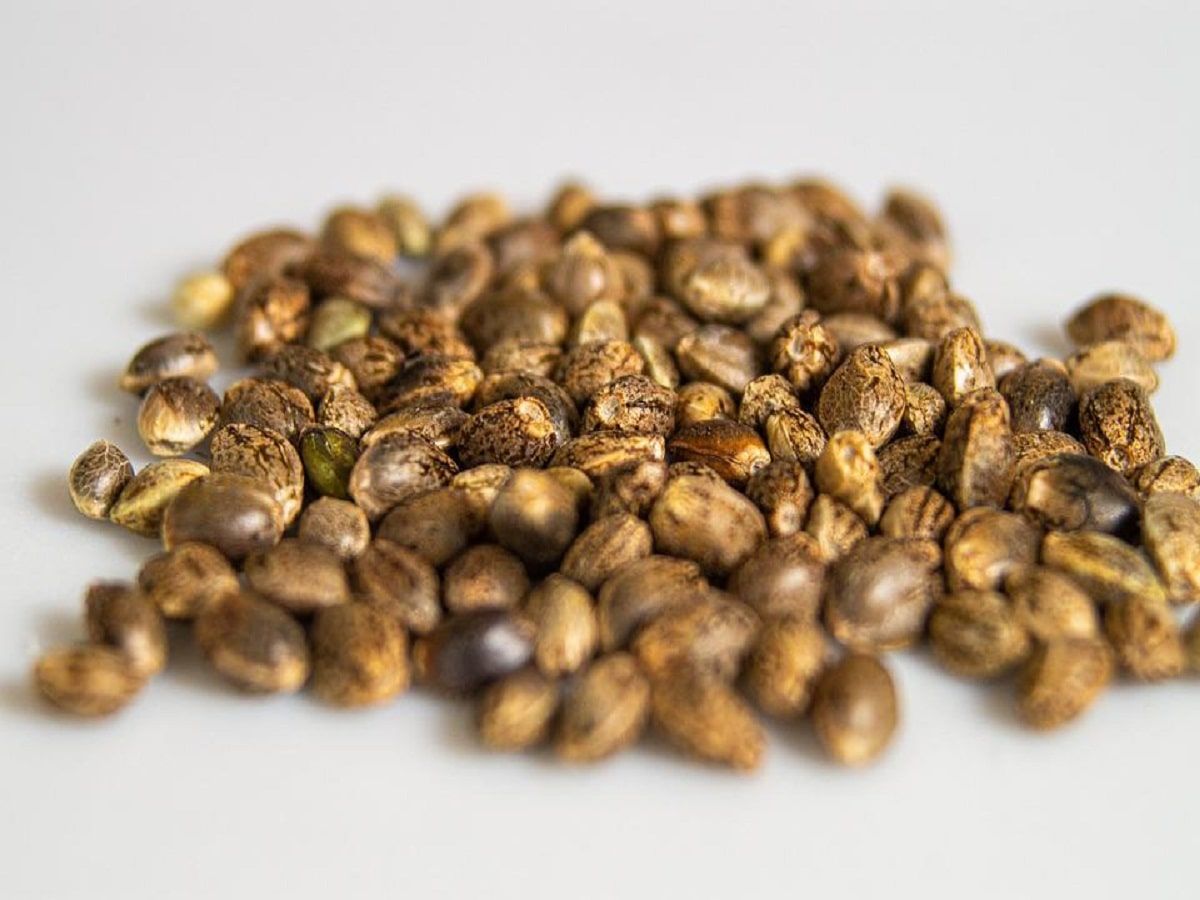
Thailand To Give Away One Million Cannabis Seeds To Households

When it comes to the pursuit of cannabis reform and establishing a legal, national cannabis industry you will be hardpressed to find a country that is trying harder than Thailand.

Historically, Thailand was home to some of the harshest cannabis laws on earth. However, after legalizing cannabis for medical use a few years ago Thailand has passed and/or implemented some of the most progressive cannabis policies on the planet.

Arguably the biggest example of that will come in June when every household in the country can sign up to cultivate low-THC cannabis plants. Households can even get a government-backed, low-interest loan to get their operations going.

As pointed out in previous coverage on this website, there will reportedly be no limit to the number of plants that a household can cultivate as long as the garden is registered with the Thailand government.

Thailand’s Health Minister, who is one of the biggest supporters of Thailand’s cannabis industry, announced this week that the government will be giving away 1 million cannabis seeds to aspiring cultivators. Per CNN:

The Thai government will distribute one million free cannabis plants to households across the nation in June to mark a new rule allowing people to grow cannabis at home, its health minister has said.

Health Minister Anutin Charnvirakul announced the move in a Facebook post on May 8 in which he expressed his intention for cannabis plants to be grown like “household crops.”

What Thailand is doing is extremely commendable, especially when considering how harsh cannabis laws still are in neighboring countries. Thailand is located in the same region where people are still receiving the death penalty for cannabis-only offenses.

Hopefully, as Thailand continues to pursue meaningful cannabis policy reform and it proves to be successful it will convince countries in the region and everywhere else on the planet to follow suit.

Thailand

malaysia flag

Malaysia Senator Calls For Urgent Medical Cannabis Reform

Malaysia is one of the harshest places on earth when it comes to cannabis policy. For example, anyone caught with over 200 grams of cannabis in Malaysia faces a mandatory death sentence if convicted.

That is the potential sentence that famed Malaysian singer Yasin Sulaiman is currently facing after authorities allegedly found 214 grams of cannabis and 17 plants near his home.

As we previously reported, Malaysia is pursuing medical cannabis reform in an extremely slow fashion. Malaysia’s Health Minister recently indicated a willingness to team up with cannabis researchers, however, people question how sincere he really is.

A member of Malaysia’s Senate spoke out recently about the need for Malaysia to embrace medical cannabis. Per The Star:

Malaysia should play a serious role and take progressive actions to allow the use of cannabis and hemp, especially cannabidiol (CBD) for medical purposes, said Senator Datuk Ras Adiba Radzi.

The Senate member representing persons with disabilities (OKU), said the usage of the substances is to increase access to quality health services for their well-being.

“It is in line with Strategic Thrust 4 of the Action Plan for Persons with Disabilities (OKU) 2016-2022, which is to increase access to quality health services for their well-being,” she said in a statement.

Medical cannabis reform obviously faces an uphill battle in Malaysia, and for that matter, most of the region. Neighboring countries Indonesia and Singapore also have very harsh cannabis laws.

One bright spot in the region is Thailand, which shares a border with Malaysia. Thailand is going to allow any household in the country to sign up to cultivate low-THC cannabis this June, and once that happens, I am hopeful that it convinces lawmakers in the region to soften their stances toward cannabis reform.

malaysia

pillows bed sleep insomnia

Canadian Cannabis Consumers Report Improvements In Insomnia

Insomnia is one of the most prevalent health conditions around the world. It is estimated that as many as 60% of the world’s population suffers from insomnia to some degree.

The inability to fall asleep or stay asleep, which is the essential definition of insomnia, can be caused by a number of factors, including but not limited to depression, anxiety, lack of exercise, a different health condition, and/or side effects from various medications.

For most sufferers of insomnia, the main negative impact on their life is that they are constantly tired. However, it can also contribute to major health issues such as heart disease, stroke, and diabetes.

A team of researchers in Canada recently conducted a study involving depression and anxiety patients that suffer from insomnia to see if cannabis helped treat their condition(s). Below is more information about it via a NORML news release:

Ontario, Canada: The use of cannabis products is associated with perceived improvements in insomnia in patients suffering from either anxiety or depression, according to data published in the journal BMC Psychiatry.

A team of Canadian researchers assessed the effectiveness of cannabis in managing insomnia in a cohort of 677 subjects. Study participants suffered from either anxiety, depression, or from both conditions simultaneously. Subjects self-administered cannabis products at home and reported symptom changes in real time on a mobile software application. Investigators analyzed reports from over 8,400 cannabis-use sessions recorded over a three-year period.

Consistent with prior reports, subjects from all three groups reported significant benefits from cannabis. Participants perceived CBD-dominant products to be less effective than others.

“This naturalistic investigation of cannabis use for insomnia suggests that individuals with depression, anxiety, and comorbid depression and anxiety perceive benefits from using cannabis for sleep,” authors concluded. “In addition, compared to other cannabis strains, CBD-dominant products may be less helpful for sleep, specifically in individuals with depression. The current study highlights the need for placebo-controlled trials investigating the efficacy and safety of cannabinoids for sleep in individuals with mood and anxiety disorders.”

Full text of the study, “An investigation of cannabis use for insomnia in depression and anxiety in a naturalistic sample,” appears in BMC Psychiatry.

Canada, insomnia

No Sustained Changes In Uruguay Youth Cannabis Use After Legalization

Uruguay will forever hold the distinction of being the first country on earth to pass an adult-use cannabis legalization measure. Uruguay made the historic policy change in 2013.

Nearly a decade later, only two countries have joined Uruguay on the legalization list – Canada and Malta. Out of the three countries that have passed legalization measures, only Canada and Uruguay currently allow legalized sales.

Researchers around the globe have kept a close eye on Uruguay to see what, if any, significant public health outcome changes occur due to legalization, with a particular focus on youth cannabis consumption rates.

Cannabis opponents always predict doomsday scenarios regarding youth cannabis consumption whenever cannabis reform measures are being proposed, including in Uruguay leading up to legalization.

A team of international researchers recently explored data specific to Uruguay and youth consumption rates, and fortunately for sensible policy advocates, there appear to be no sustained changes in youth consumption patterns. Below is more information about it via a news release from NORML:

New York, NY: The adoption of nationwide regulations governing the retail sale of cannabis to adults is not associated with sustained increases in young people’s cannabis consumption, according to data published in the journal Addiction.

An international team of researchers from Chile, the United States, and Uruguay assessed cannabis use trends in Uruguay among those ages 12 to 21 following legalization.

Uruguay initially approved legislation legalizing the use of cannabis by adults in 2013, although retail sales in licensed pharmacies did not begin until 2017. Under the law, cannabis sales are restricted to those age 18 or older who register with the state. Commercially available cannabis products may only be produced by state-licensed entities and sold at specially licensed pharmacies. THC levels are capped by regulators and government price controls are imposed upon flower. Limited home cultivation is allowed in private households.

Consistent with prior studies, researchers reported no significant changes in cannabis use patterns among either adolescents or young adults. Among those under the age of 18, marijuana use fell following legalization. Among those ages 18 to 21, cannabis use initially rose, but then decreased.

Authors concluded, “The legalization of recreational cannabis in Uruguay was not associated with overall increases in either past-year/past-month cannabis use or with multi-year changes in any risky and frequent cannabis use among young people.”

Numerous North American studies have similarly failed to identify any significant upticks in cannabis use by young people following the adoption of adult-use legalization in either US states or in Canada.

Full text of the study, “Does recreational cannabis legalization change cannabis use patterns? Evidence from secondary school students in Uruguay,” appears in Addiction. Additional information is available from the NORML fact sheet, ‘Marijuana Regulation and Teen Use Rates.’

uruguay

cbd oil cannabidiol

Does CBD Cause Physical Dependency?

Cannabidiol (CBD) is arguably the most popular cannabinoid on the planet right now. As evidence of that, consider the fact that ‘CBD’ is Google’d more often than ‘THC’, and that has been the case for multiple years now.

Interest in CBD has spiked partially because of increased availability thanks to recent policy reforms around the globe, as well as partially because it is effectively helping suffering patients treat their conditions.

CBD is just one of the dozens of cannabinoids found within the cannabis plant. It does not cause intoxication and can be infused into a number of products.

A team of researchers in the United Kingdom and the United States recently collaborated on a study to try to determine if CBD causes physical dependency and/or withdrawal symptoms in rats.

“Cannabidiol (CBD) is a constituent of the cannabis plant with a diverse array of pharmacological activities as well as potential therapeutic uses. An oral formulation of CBD (Epidiolex® in the US; Epidyolex® in Europe) is approved for treating seizures associated with rare and severe forms of epilepsy. These studies, which supported the approval of the medication, investigated abuse-related effects of CBD in rats and nonhuman primates (NHPs) using drug self-administration, drug discrimination, and physical dependence procedures and characterized its pharmacokinetics.” the researchers stated in their study abstract.

“In NHPs (n=5) that self-administered midazolam (0.01 or 0.032 mg/kg/infusion), CBD (0.1-3.2 mg/kg/infusion) failed to maintain responding above vehicle levels. CBD maintained very modest levels of self-administration in rats (n=7-8) that self-administered heroin (0.015 mg/kg/infusion) and did not increase drug-lever responding, up to a dose of 150 mg/kg (p.o.), in rats (n=6) trained to discriminate 0.5 mg/kg (i.p.) midazolam. In juvenile (5-6 weeks old) and adult (10-11 weeks old) male and female rats, discontinuation of chronic treatment (twice daily for 20 days) with an oral formulation of CBD (20 or 100 mg/kg, p.o.) did not reliably produce signs of withdrawal.” the researchers went on to say.

“Pharmacokinetic studies confirmed that the dosing regimens used in these studies resulted in therapeutically relevant plasma levels. Taken together, the lack of reliable self-administration, the failure to increase drug-lever responding in rats trained to discriminate midazolam, and the absence of withdrawal signs upon discontinuation of chronic treatment indicate that CBD has very low abuse potential and is unlikely to produce physical dependence.” the researchers concluded.

Obviously, this study involved lab rats and not humans, so the results need to be kept in perspective. With that being said, with so many humans now using CBD around the globe, and no reports of dependency or withdrawal, the results of this study seem to be in line with what we are seeing among the global human population in real-time.

CBD

depression anxiety

New Study Looks At Cannabis, Anxiety, And Depression In Canada

Anxiety and depression are major mental health conditions that affect a significant portion of the world’s population. As many as 275 million people suffer from anxiety globally, and as many as 5% of adults suffer from depression worldwide.

Clinical depression is a mental health disorder involving a ‘persistently depressed mood or loss of interest in activities, causing significant impairment in daily life.’ Changes in sleep patterns, food intake, energy level, focus, daily behavior, and/or self-esteem are all symptoms of depression.

Anxiety is characterized as an ‘intense, excessive, and persistent worry and fear about everyday situations.’ An increased heart rate, rapid breathing, persistent sweating, and feeling tired are all symptoms of anxiety.

Many people that suffer from one of the mental health conditions also suffer from the other condition. For some patients, cannabis may help, as demonstrated by a recent study in Canada.

A team of researchers affiliated with Harvest Medicine in Calgary recently conducted a retrospective study involving medical cannabis patients and their use of cannabis to battle their anxiety and/or depression.

“Patients included in the study were at least 18 years of age with completed validated questionnaires for anxiety (GAD-7) and depression (PHQ-9) at their initial evaluation and at least one follow-up visit. There were 7,362 patients included in the sample, of which the average age was 49.8 years, and 53.1% were female.” the researchers stated regarding the study’s methodology.

“There were statistically significant improvements between baseline and follow-up scores for both the GAD-7 and PHQ-9, with larger improvements seen for patients who were actively seeking medical cannabis to treat anxiety or depression.” the researchers stated.

“From 12 months on, those reporting anxiety had an average decrease in GAD-7 scores that was greater than the minimum clinically important difference of 4, and the same was seen for patients reporting depression from 18 months on, with the average decrease in PHQ-9 scores more than the MCID minimum clinically important difference of 5.” the researchers also stated.

“This study provides some evidence to support the effectiveness of medical cannabis as a treatment for anxiety and depression.” the researchers concluded.

It’s always important to note that the cannabis plant is complex and human biology is complicated. What works for one person may not work for the next person, especially when it comes to anxiety and/or depression. Contact your medical care provider to see if cannabis may help treat your condition(s).

Canada

International Cannabis Business Conference

NEWS FROM AROUND THE GLOBE

BROUGHT TO YOU BY THE ICBC

© International Cannabis Chronicle. All rights reserved. Site developed and hosted by Rogue Web Works.