NEWS FROM AROUND THE GLOBE BROUGHT TO YOU BY THE ICBC

Author: Frank Schuler

Frank Schuler is originally from Switzerland and reports on cannabis industry and policy news from around the world.
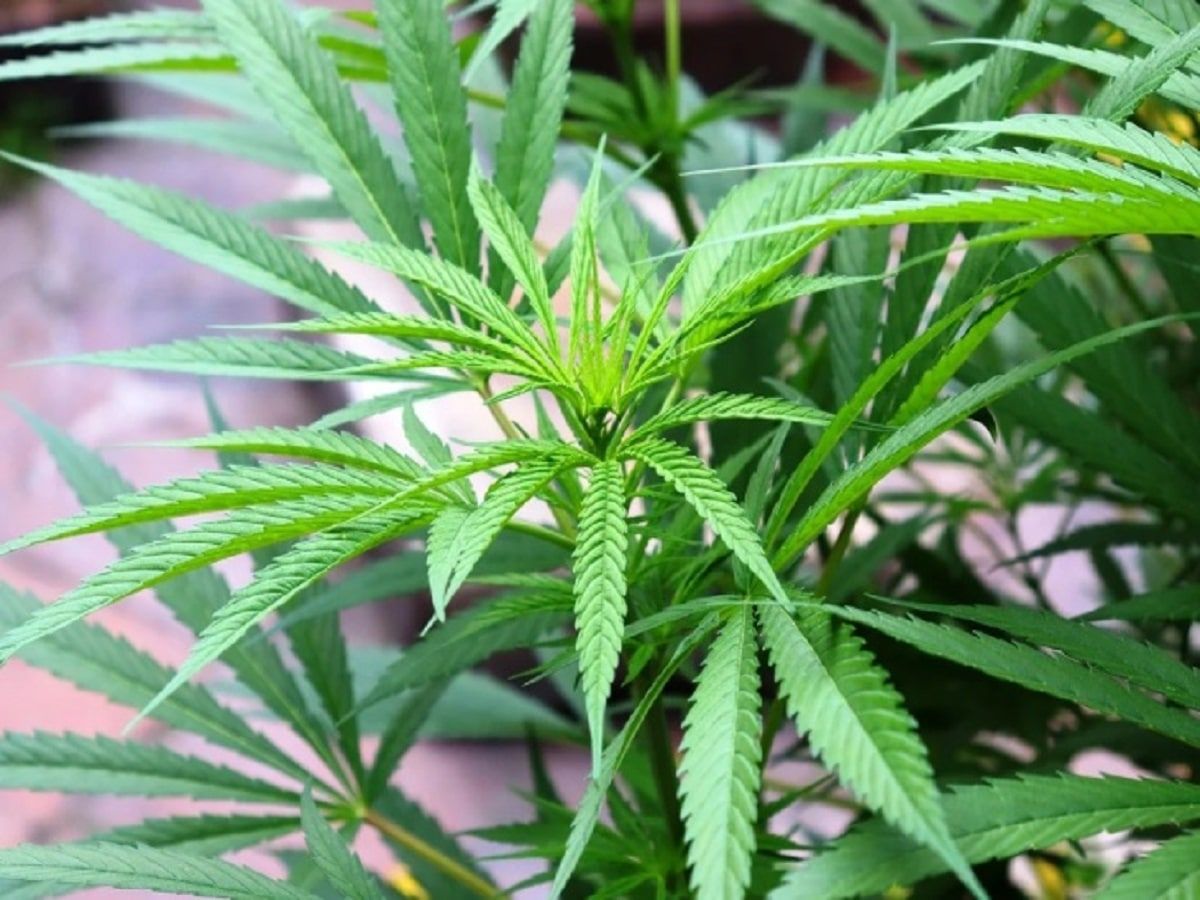
cannabis leaf

Nearly 10% Of Canadian Cannabis Consumers Reported Home Cultivation In 2020

Being able to cultivate cannabis legally is a freedom that every adult and/or medical cannabis patient should be able to enjoy. After all, the cannabis plant is exponentially safer than many legal products found in people’s homes.

Unfortunately, cannabis cultivation is still prohibited in many jurisdictions around the world. In fact, more places currently prohibit home cultivation than allow it, which is a ratio that will hopefully flip sooner rather than later.

One country that allows adults to cultivate cannabis, with some exceptions, is Canada. Canada legalized cannabis for adult use in late 2018, and part of the legalization policy shift permitted home cultivation for adult-use purposes.

Quebec is one notable exception, although there’s a legal challenge pending at the Supreme Court level regarding Quebec’s continued prohibition on home cultivation. If the Supreme Court rules against Quebec, it will also address similar prohibitions elsewhere.

Where adult-use cultivation was permitted in Canada in 2020, it appears to have been a popular option for consumers according to the results of a recent study.

Home Cultivation Rates In 2020

Researchers in Canada recently examined survey data from 2018-2020 involving questions regarding whether Canadian cannabis consumers had decided to cultivate their own cannabis.

“Home cultivation rates were estimated among all respondents in 2019 and 2020 (n = 26,304) and among a sub-sample of past 12-month cannabis consumers in 2018–2020 (n = 12,493).” researchers stated.

“Weighted multivariable logistic regression models examined the association between home cultivation and provincial policies among all respondents, 2019–2020.” researchers also stated.

“Almost one in ten Canadian cannabis consumers reported home cultivation of cannabis in 2020, with modest increases following legalization and most growing within the non-medical limit of four plants.” the researchers concluded.

“Post-legalization, past 12-month home cultivation was lower in Quebec and Manitoba, the two provinces that prohibited home cultivation (3.2%), than in provinces where home cultivation was permitted.” the researchers also concluded.

Why Don’t More Consumers Grow Cannabis In Canada?

With the exception of Quebec and Manitoba where people can in theory still be prosecuted for cultivating their own cannabis, a 9% cultivation rate may seem low to some people being that it’s a freedom afforded to so many consumers in Canada.

It’s likely that the rate of cultivation would be greater if Canada’s climate was more conducive to outdoor cultivation. Due to where Canada is located, summers are shorter and winters are harsher compared to many other parts of the world.

Cannabis can still be cultivated outdoors in Canada, however, the rate of success is slim when the grower is new to cultivation. As such, many growers cultivate cannabis indoors, and not everyone has the means or knowledge in order to start an indoor garden.

All of that indoor cultivation creates opportunities for innovators and inventors in Canada’s market. If they can make life easier for novice indoor cannabis growers via technology, especially if it’s in a sustainable manner, they stand to reap considerable financial rewards in Canada.


Canada

bermuda flag

Bermuda Lawmakers Pass Cannabis Legalization Measure

Bermuda appears to be on a cannabis policy collision course with Britain. Last year the lower chamber of Bermuda’s legislature passed an adult-use cannabis legalization measure. Unfortunately, after passage in the lower chamber, The Cannabis Licensing Act then went to the upper chamber where the bill hit a dead end.

The legislation was blocked from receiving a vote, and it had essentially collected dust for the last year. The upper chamber in Bermuda’s legislature can only hold up a bill for one year before it has to be sent back to the lower chamber for another vote, which is what happened this month.

Once again, the lower chamber passed the bill, and apparently, according to the legislative process in Bermuda, the bill cannot be blocked again by the upper chamber. The measure now awaits ‘Royal Assent’ from the Governor. Per Royal Gazzette:

It will be legal to grow and sell cannabis – if controversial legislation passed in the House of Assembly yesterday gets Royal Assent from the Governor.

The Cannabis Licensing Act 2022 would create a regulated framework for growth and sale of the drug.

A series of licences would be available through a licensing authority, which will allow people to not only possess more of the drug, but also to grow, harvest, sell, and export it.

Rena Lalgie, the Governor that the measure is going to, has made it very clear that their position is that cannabis legalization was not allowed under the ‘UK’s international obligations.’

That, of course, is a very poor excuse given the fact that three countries have already legalized cannabis for adult use, including a country in Europe (Malta). If those countries can legalize cannabis despite ‘international obligations’ then Bermuda should be allowed to do the same.

According to Bermuda’s constitution which was enacted in the late 1960s, the British monarch is the head of Bermuda and is represented by the Governor. Bermuda itself is considered to be a self-governing British overseas territory, but the property of Britain nonetheless.

bermuda

amsterdam the netherlands

Cannabis Pilot Program Delayed Yet Again In The Netherlands

Malta made continental history late last year when it became the first nation in Europe to legalize cannabis for adult use. The public policy change made Malta the third nation on earth to legalize cannabis for adult use, with Uruguay and Canada being the first two countries.

Even though Malta was the first in Europe to legalize cannabis, it certainly will not be the last to do so. Far from it, in fact. Multiple European countries are exploring legalization via various models, with a seemingly popular model being the use of a pilot program.

A cannabis legalization pilot program is fairly straightforward in that it involves allowing a legalized industry to operate at the local level, gather information and research, and then use insight from the pilot program to form national policies and regulations.

It is not the fastest route to legalization, and differs from the approaches of Uruguay, Canada, and Malta, however, it’s definitely better than clinging to full prohibition.

The Netherlands is one country in Europe that is pursuing the pilot program approach. Unfortunately, the pilot program’s launch continues to be hindered by setbacks, including the latest one announced this week. Per NL Times:

The Netherlands’ experiment with regulated cannabis cultivation has been delayed again. The trial will only start in the second quarter of 2023, Ministers Ernst Kuipers of Public Health and Dilan Yeşilgöz-Zegerius of Justice and Security said in a letter to parliament. The initial plan was to start selling regulated cannabis in 2020. That was then delayed to the second half of 2022 and now to next year.

According to the Ministers, it is taking longer than expected to get to the point “when the quantity, quality, and diversity” of the legally grown cannabis is sufficient to supply the participating coffeeshops with enough stocks. They expect this point to be reached in the first half of next year at the earliest.

A limited cannabis pilot program is already underway in Copenhagen, Denmark, and lawmakers are working to expand the program to other parts of the country.

Switzerland is pursuing its own cannabis legalization pilot program in certain local jurisdictions, in addition to allowing sales of low-THC products nationwide. Legal low-THC product sales began in Switzerland in 2017.

On one hand, I’d like to say that The Netherlands will be up and running by 2023, however, if history is any guide no deadline is guaranteed. The global cannabis community should keep their fingers crossed that there are no more delays.

the netherlands

cannabis plant leaves

Home Cultivation To Start In Thailand In June

Thailand is embarking on a bold new approach to medical cannabis policy and industry. Over the course of the last few years, Thailand has hit warp speed when it comes to passing cannabis reform measures.

All parts of the cannabis plant are now legal in Thailand after a recent move by the government, although the policy shift only applies to cannabis that is low in THC.

Households in Thailand will be able to sign up to cultivate low-THC cannabis and sell it to the government under a new licensing program.

The intent to launch the program was announced a while ago, however, it wasn’t until recently that the date was announced for sign-ups. It appears that the first opportunity will come in June of this year. Per TNA MCOT:

People must wait 120 days after the legalization of cannabis or until June 9 before growing cannabis plants at home, according to Public Health Minister Anutin Charnvirakul.

Opening an academic conference on medical cannabis in Bung Kan province, Mr Anutin who is also a deputy prime minister said he promoted cannabis as a cash crop because it could be used for medical purposes and all parts of cannabis plants could be food ingredients.

In 2022, despite COVID-19 situations, there was very high demand for products made from cannabis and hemp in the country and they led to the circulation of over 7 billion baht in the national economic system, he said.

This is good news for households in Thailand that are eagerly awaiting the chance to cultivate cannabis. Rice is the main crop in Thailand, and cannabis will be a great second option for households and farmers.

The government in Thailand is even offering low-interest loans to help people start their cannabis cultivation operations, with interest rates being a mere 0.01%.

A recent survey in Thailand found that half of the adult survey participants have tried a cannabis-based product within the last year.

Thailand

tibet himalayas nepal

Nepal Expected To Approve Researching Medical Cannabis Benefits

Nepal has one of the richest histories on earth when it comes to cannabis. The cannabis plant is used for spiritual purposes in the Southeast Asian nation, and that’s been true for centuries.

Some of the oldest cannabis strains on earth originated in Nepal and are still cultivated there to this day. Countless hybrid cannabis strains around the globe have a lineage that traces back to cannabis strains in Nepal.

Unfortunately, cannabis is illegal in Nepal and that has been the case since 1976. Cannabis is even illegal in Nepal for medical purposes. Fortunately, government officials are expected to take a small, yet significant step to improve the situation. Per Nepal Republic Media:

The Ministry of Health and Population is preparing to approve research on marijuana for medicinal purposes. The decision was taken at a meeting chaired by Minister for Health and Population Birodh Khatiwada.

It may be noted that Minister Khatiwada has been advocating legalization of the use of marijuana for a long time.

The meeting of the Development Problem Solving Committee at the level of the Ministry of Health and Population has decided to advance this agenda. According to Shantaram Bidari, Press Adviser to the Minister for Health and Population, Khatiwada, the committee has decided to give in-principle approval to prepare a legal provision for conducting research for the use of marijuana.

The decision, certified by Minister Khatiwada on Wednesday, states, “To provide in-principle approval for the preparation of legal provisions for the investigation into the use of marijuana for the purpose of collecting samples for research into the medicinal properties and toxicity of marijuana.”

To clarify, what appears to be on the horizon is the launch of an effort to learn more about cannabis’ medical benefits, versus medical cannabis being legalized for use by patients.

Legalizing cannabis for medical use in Nepal will be a process, and likely a long one. What Nepal’s government will find out is that the cannabis plant possesses tremendous wellness benefits and that the medical value it provides does not come with the nasty side effects that accompany many pharmaceutical drugs.

Make no mistake – suffering patients are already successfully using cannabis to treat their conditions in Nepal, it’s just that they are doing so at great risk from a legal perspective, and possibly risking their health by using unregulated products. No patient should ever have to live that way.

nepal

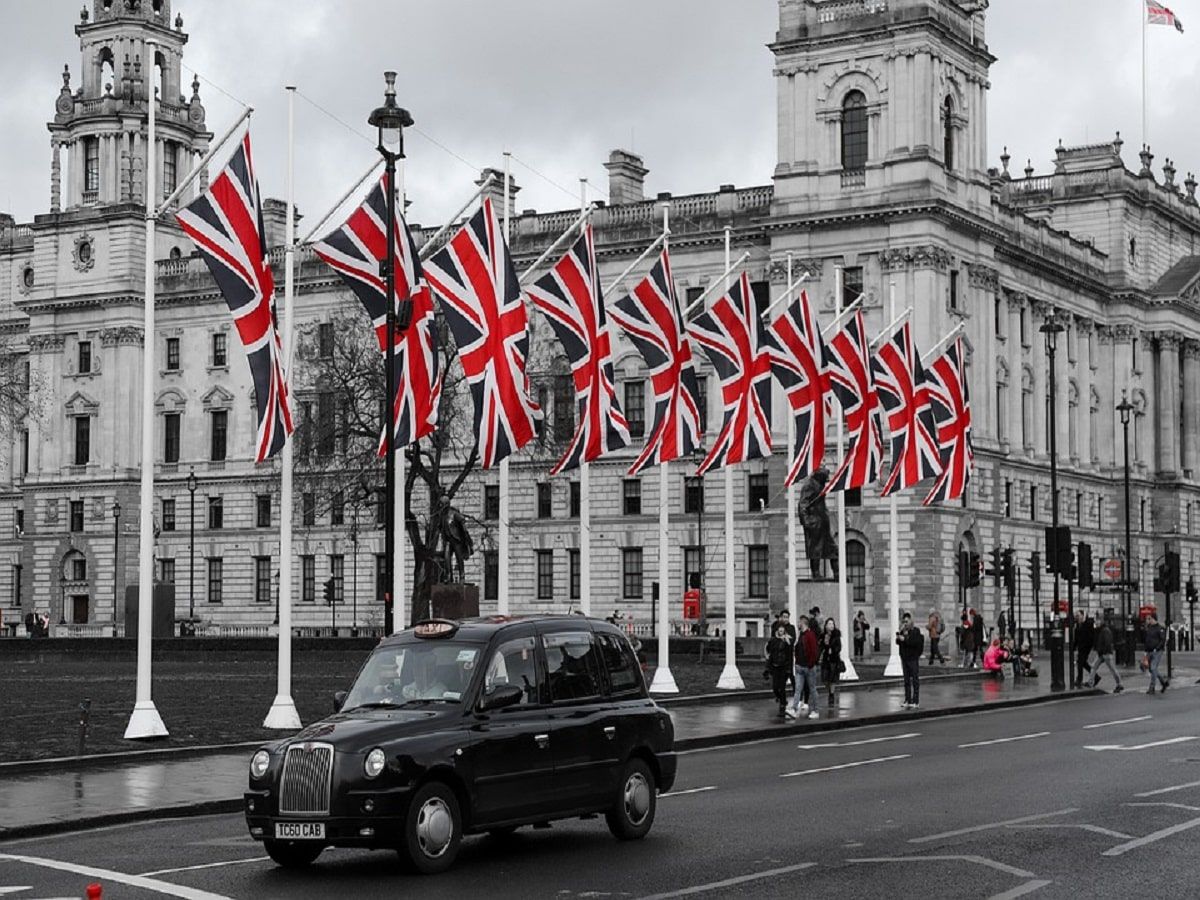
england united kingdom britain british

Member Of UK Parliament Calls For Studying Cannabis Legalization

Nigel Farage is a media celebrity in Britain and hosts a television segment called ‘Barage the Farage’ in which viewers can send in their questions and Farage will discuss them with his guest(s).

Last week Nigel Farage, who is a former lawmaker, was joined by Kevin Hollinrake who is a current lawmaker in the United Kingdom Parliament. In a segment that covered a number of topics, the duo was asked, “Would Britain be wise to follow the US’ lead and reclassify cannabis and receive the tax revenue?”

Below is an embedded tweet containing the question and subsequent discussion, which occurs in the last minute of the 3-minute clip:

As you can see, the current and former lawmaker seem to be in firm agreement that something needs to be done about cannabis policy in Britain, and that prohibition isn’t working.

Unfortunately, the ‘something’ that they think needs to be done is to study what is going on in other nations, and piggybacked off of the question, specifically offering up the United States as an example, although cannabis is still prohibited at the federal level in the U.S.

As of this article’s posting, Uruguay, Canada, and Malta are the only countries that have legalized cannabis for adult use at the national level. Uruguay and Canada currently allow legal adult-use cannabis sales whereas Malta does not.

The sky remains intact over all three nations, and in the case of Canada specifically, the legal cannabis industry has created over 150,000 jobs, generated over 15 billion dollars in public taxes and fees since 2018, and contributed over 43 billion dollars towards Canada’s GDP. And that doesn’t include the number of lives that were prevented from being ruined by prohibition, which is in itself priceless.

Clearly, cannabis legalization is working, and there is no need to form an official committee or government inquiry in Britain to know that obvious fact. All the formation of a committee or study will do is result in more footdragging just to eventually arrive at the same conclusion that we are already at. End cannabis prohibition in Britain immediately, and everywhere else that it exists.

Britain, United Kingdom

Malaysia flag

Malaysia Memorandum On Medical Cannabis And Hemp Expected Next Week

Malaysia is one of a handful of countries where someone can receive the death penalty for a cannabis-only offense. People caught selling cannabis in Malaysia, in any amount, can be subjected to the penalty, including Amiruddin Nadarajan Abdullah aka ‘Dr Ganja.’

Dr Ganja is currently facing the death penalty in Malaysia for reportedly selling ‘chocolate bars and brownie edibles made with hemp seed oil.’ He entered a not guilty plea earlier this year for the 36 charges that he is facing.

Even personal possession involving less than an ounce can yield a sentence of up to 5 years in prison and/or corporal punishment. Needless to say, Malaysia is in desperate need of cannabis reform.

With the exception of Thailand, the region where Malaysia is located is known for moving extremely slow when it comes to reforming cannabis laws. Fortunately, a small but significant step is expected next week in Malaysia. Per The Malaysian Insight:

A MEMORANDUM based on the findings of a public forum entitled Sustainable Future of Medical Cannabis, Industrial Hemp and Kratom (Ketum) Industry is expected to be handed over to Prime Minister Ismail Sabri Yaakob by next week.

Deputy Communications and Multimedia Minister Zahidi Zainul Abidin said the move is to enable the crops to be used in the medical industry and exported.

Exactly what the memorandum will contain appears to be unknown at this time, however, it’s likely to include recommendations for a very strict and tightly-regulated medical cannabis industry. It will be very interesting to see if any timelines are included.

At the very least, Malaysia should legalize hemp production being that hemp can’t be used to induce intoxication. However, such a move would clearly not be enough.

Every suffering patient in Malaysia deserves safe access, just as every suffering patient deserves safe access everywhere else around the globe.

malaysia

Mike Tyson 2.0 logo

Legendary Professional Wrestler Ric Flair Teams Up With Mike Tyson’s Cannabis Brand

Richard Morgan Fliehr, or Ric Flair as he is more commonly known, is one of the most legendary performers in the history of professional wrestling. Flair is considered to be a pioneer of modern-day sports entertainment.

Self-nicknamed ‘The Nature Boy’ Rick Flair was known for wearing his over-the-top outfits on his way to the wrestling ring as well as in interviews. His performances would always electrify the crowd, especially when he bellowed out his famous ‘Wooooo!’ yells.

Flair first made his debut in professional wrestling all the way back in 1972, and as of last summer, he was still performing, albeit in a much more limited fashion than in years past. That’s half a century of entertaining people. In many ways Flair’s entertainment career is unrivaled.

In addition to being an entertainer, Ric Flair is also in the cannabis industry. His company, Ric Flair Drip, was recently acquired by legendary boxer Mike Tyson’s cannabis company Tyson 2.0.

Below is more information about the controlling acquisition between the two companies via a company press release:

ORANGE COUNTY, Calif.March 24, 2022 /PRNewswire/ — Tyson 2.0, legendary boxer, entrepreneur and cannabis advocate Mike Tyson’s newly launched cannabis company, today announced the acquisition of a majority stake in Ric Flair Drip, Inc., the 16 time World Heavyweight Wrestling Champion’s business entity with an aim to launch a second celebrity cannabis line in its portfolio furthering their house of brands strategy.

Tyson 2.0’s strategic alliance with Ric Flair, popularly known as “Nature Boy®,” enables the company to assume control of Ric Flair’s trademarks and intellectual properties to launch cannabis flower and edible products under the Ric Flair brand name in the near future.

Launched in October 2021, Tyson 2.0 brings to market innovative, high-quality, Tyson-branded cannabis products known for purity, precision, and wide accessibility to consumers nationwide. Co-founded by Mike Tyson as Chief Brand Officer and Chad Bronstein as Chairman, and led by Adam Wilks, Chief Executive Officer – the company partners with world-class cannabis retailers and leading multi-state operators to provide a suite of products designed to reach consumers in legal markets.

“Thanks to Mike Tyson and Tyson 2.0, I’ve become a true cannabis advocate and enthusiast. I am thrilled to partner with a long time friend and fellow warrior whom I greatly admire and respect,” said Ric Flair. “There are a lot of synergies between me and Mike – we’ve both had many ups and downs, but we keep going at life. With Mike’s passion for cannabis, Chad and Adam’s industry knowledge, I look forward to creating cannabis products that will appeal to my national fanbase. Tyson 2.0 products make me go ‘WOOOOO!’, and soon my fans everywhere can get in the Ric Flair state of mind – limousine riding, jet-flying, feeling good, and ‘WOOOOO!'”

Tyson 2.0’s latest venture with Ric Flair establishes the Company as a leading celebrity cannabis brand powerhouse. Since its launch in October 2021, the company continues to execute its nationwide growth strategy bringing Tyson 2.0 branded products to consumers and fans nationwide. Through licensing, cultivation and agreements, Tyson 2.0 products are available across dispensaries and retail locations across the states of ColoradoCaliforniaNevadaMassachusetts, and Michigan with plans to expand nationally and internationally.

“For the last fifty years, Ric has been synonymous with high impact, high energy experiences,” said Chad Bronstein, Co-Founder and Chairman, Tyson 2.0. “Similar to how we rolled out Tyson 2.0, Ric Flair cannabis products will reach nationwide distribution through our robust network of industry partners. With flower strains named after Ric’s iconic sayings like ‘limousine riding’ and ‘jet-flying’, we aim to honor Ric’s energy and share it with his fans.”

Bronstein continued, “Tyson 2.0 is establishing itself as a cannabis marketing and celebrity licensing powerhouse. Our aim is to bring more celebrity brands to market in the coming months.”

Ric Flair will be featured in the seventh episode of Peacock’s first ever WWE original series, WWE Evil which begins streaming exclusively on Peacock starting Thursday, March 24. The eight-part docuseries, created and hosted by John Cena, the first-ever original from WWE Studios takes an unprecedented look inside the psyche of the most diabolical antagonists in WWE, unveiling rare behind-the-scenes details from some of the biggest names in the industry and their impact on mainstream culture.

For more information on Tyson 2.0, visit Tyson20.com. Tyson 2.0-branded merchandise is available for purchase at shoptyson20.com.

About Tyson 2.0

Tyson 2.0 is a premier cannabis company formed with legendary boxer, entrepreneur and icon Mike Tyson. The company’s mission is to produce innovative, high-quality cannabis products known for purity, precision, and wide accessibility. Providing consumers an outstanding selection of products, Tyson 2.0 is an extraordinary balance of premium and affordable, full-spectrum cannabis flower, concentrates and consumables available at retailers nationwide. Learn more at Tyson20.com.

SOURCE Tyson 2.0

mike tyson, ric flair

Rwanda Flag

Rwanda Designates Land For Cannabis Production

Rwanda may not be the first country that you think of when it comes to the emerging cannabis industry, however, the African nation is ramping up its efforts to cash in on the ever-expanding international cannabis industry.

Located just a few degrees south of the equator, Rwanda is home to a tropical climate that in many ways makes it an ideal location to cultivate the cannabis plant.

Last year the government in Rwanda, officially known as the Republic of Rwanda, announced plans to cultivate medical cannabis, with a heavy emphasis on exports.

The nation’s industry passed a major milestone this month when the government officially designated land for cannabis cultivation. Per The New Times:

Now, a few months since then, a number of steps have been taken towards starting the operations, among which, according to information availed to The New Times by the Rwanda Development Board (RDB), the government has designated a specific area of 134ha to cannabis production “and is in the process of having this site developed.”

In addition, RDB disclosed that a significant number of companies have shown interest in the cultivation, processing and export of cannabis from Rwanda.

As of right now, no actual medical cannabis cultivation licenses have been issued by the Rwandan government. Many rules and regulations are still being crafted, and the designation of land is just one of the many policy components that are needed before Rwanda can actually start cultivating cannabis.

The amount of land designated in Rwanda for cultivation is not enormous compared to cultivation operations in other countries, however, the designation is still a major milestone nonetheless, and hopefully it speeds up the process of Rwanda issuing licenses and helping suffering patients.


rwanda

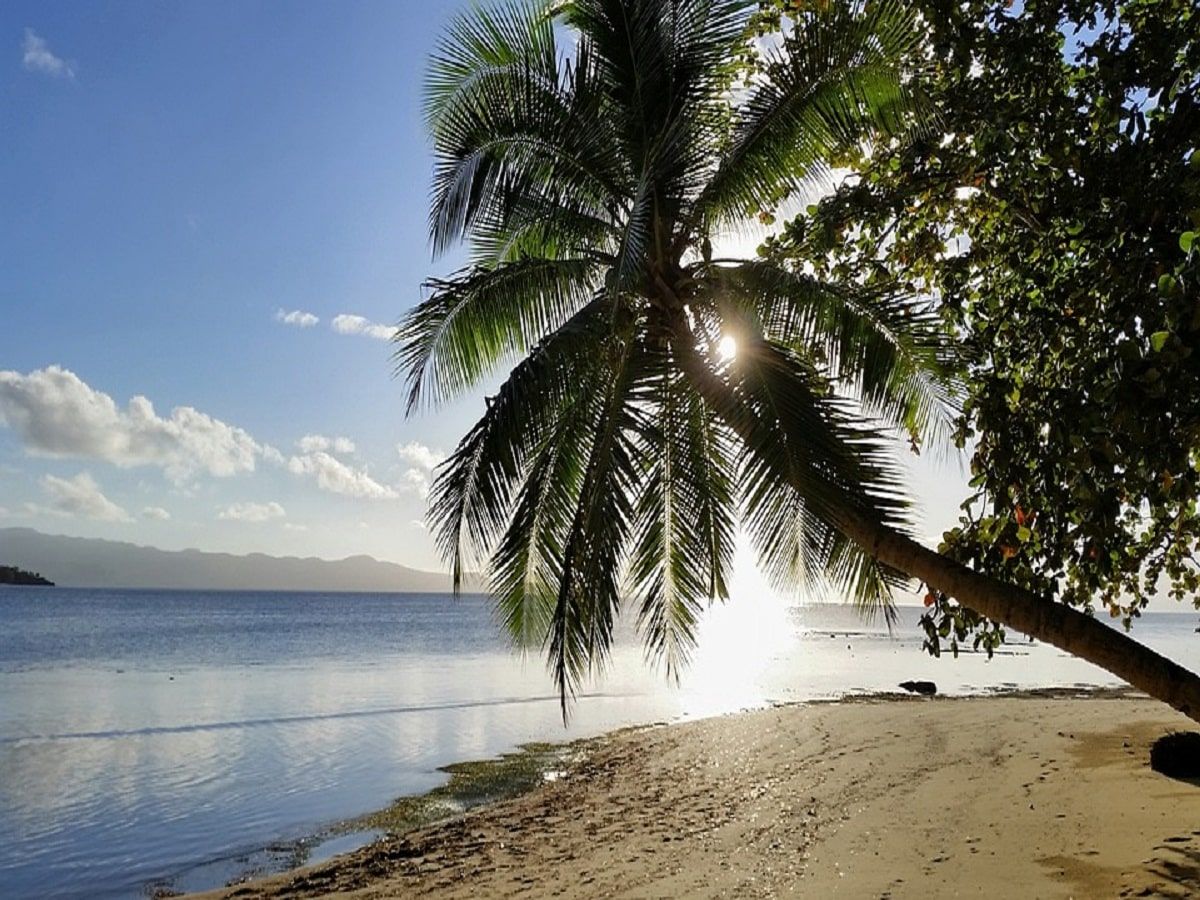
fiji beach tropical paradise

Fiji Is Considering Hemp Legalization

The hemp plant is arguably the most versatile plant on earth. Hemp has the power to clothe, to feed, and in some cases according to patients it also has the power to heal.

Nearly every type of textile or product that is made out of plastic can also be made out of hemp, and whereas plastic takes hundreds of years to decompose, products made from hemp decompose in roughly six months.

Hemp was cultivated for many years prior to being prohibited, and thankfully, hemp is making a major comeback across the globe. A big reason for that is the rise in interest in cannabidiol (CBD). Hemp plants are often packed with CBD.

Unfortunately, there are still a number of countries around the world that prohibit hemp, including Fiji. Fortunately, lawmakers in Fiji are working to change that, albeit slowly. Per FBC News:

The government is studying different laws before a decision on legalizing the cultivation, sale and export of industrial hemp can be made.

Responding to questions during budget consultations in Navua last night, Minister for Economy, Aiyaz Sayed-Khaiyum said as a developing country, Fiji does not want to be blacklisted for legalizing industrial hemp.

He stresses that countries that have legalized marijuana and industrial hemp are the developed world.

The concerns of Fiji’s Minister for Economy regarding how his country will be treated at the international level are understandable, however, they are a bit overblown.

Many countries have now re-legalized industrial hemp, including developing nations, and none of them have been blacklisted by the international community.

The longer that Fiji waits to legalize hemp, the larger the economic opportunity cost will be for the developing nation. Legalizing hemp will create jobs, boost local economies, and generate revenue for Fiji, which are all things that the country desperately needs.

fiji

cannabis flower plants buds garden

Israel Study Finds Favorable Results Regarding Cannabis And Tourette Syndrome

According to the Mayo Clinic, “Tourette (too-RET) syndrome is a disorder that involves repetitive movements or unwanted sounds (tics) that can’t be easily controlled.”

Symptoms typically involve eye blinking, head jerking, mouth movements, and audible sounds (including words and phrases). The onset of symptoms tends to begin when a patient is in their youth, and men are 3-4 times as likely to develop the condition compared to women.

A study in 2009 found that as much as 1% of the global population suffers from Tourette syndrome. For many years global health experts underestimated the number of patients that suffer from the condition. A study in 2001 found the rate of Tourette syndrome among student populations to be 50 to 75 times higher than had been traditionally thought by doctors in past decades.

Most of the traditional treatments for Tourette syndrome involve pharmaceutical drugs. A new study out of Israel found that medical cannabis may be a viable treatment option for suffering patients. Below is more information about it via a news release from NORML:

Tel Aviv, Israel: Patients with Tourette syndrome (TS) experience reductions in tic severity and improvements in their overall quality of life following cannabis treatment, according to trial results published in the journal Behavioral Neurology.

Israeli researchers assessed the use of medical cannabis products in 15 patients with Tourette syndrome over a 12-week period.

Subjects experienced, on average, a 38 percent reduction in their tic severity – as assessed by the Yale Global Tic Severity Scale. A significant percentage of study participants also reported improvements in mood, sleep, and sexual function.

Patients were most responsive to formulations high in THC and low in CBD and they favored inhaling cannabis flowers over consuming sublingual oil extracts.

The most commonly reported side-effects from cannabis were dry-mouth, fatigue, and dizziness.

Authors concluded: “From our data, it is suggested that MC [medical cannabis] might be a treatment option for resistant TS patients, and MC has a significant effect on tics, premonitory urges, and patients’ overall quality of life.”

Separate trials have similarly reported that the administration of either whole-plant cannabis or oral THC mitigate symptoms in patients with TS, including those with treatment-resistant forms of the disease.

Full text of the study, “Medical cannabis for Gilles de la Tourette syndrome: An open-label prospective study,” appears in Behavioral Neurology. Additional information on cannabis and TS is available from NORML.

israel, tourette syndrome

South africa flag

South Africa Premier Approves Cannabis Committee Formation

South Africa is on the cutting edge of global cannabis policy in many ways and is a continental leader when it comes to the pursuit of creating a thriving legal cannabis industry.

In September 2018 South Africa’s Supreme Court ruled that personal cannabis possession and use in private settings was legal and that any prohibitions against personal possession and/or use were unconstitutional.

Since the landmark decision was rendered, lawmakers in South Africa have worked to try to set up a national cannabis industry framework in the hopes of creating jobs, boosting local economies, and becoming a leader in cannabis exports.

The process has been slow, however, South Africa passed a major milestone this week when the formation of a key cannabis committee received approval from KwaZulu-Natal Premier Sihle Zikalala. Per IOL:

Among other duties, Zikalala said the committee is in charge of growing the industry and ensuring adherence to regulations.

“The potential for the cannabis/hemp industry is estimated at over R28 billion in South Africa with a potential to create between 10 000 and 20 000 job opportunities across the entire value chain. The establishment of the cannabis industry will lead to the diversification of the economy, create jobs, increase economic growth and contribute to poverty alleviation.

“The provincial cannabis committee will be responsible for growing the cannabis/hemp industry through ensuring adherence to regulatory systems, seed supply systems, research and technology development. It will also drive the sustainable producer systems, market development, supplier development systems, manufacturing and product development, education and training, communication and awareness,” Zikalala said.

Launching and regulating a national cannabis industry is not an easy task. Fortunately, committee members, industry regulators, and lawmakers in South Africa can learn from a growing list of countries that have legal cannabis industries in operation.

Canada provides the best example for South Africa to learn from, being that it’s the only country that currently permits adult-use sales to anyone of legal age. Germany is another country that South Africa can learn from. Only medical sales are currently permitted in Germany, however, the regulatory framework and import/export policies in Germany are definitely worthy of consideration.

south africa

International Cannabis Business Conference

NEWS FROM AROUND THE GLOBE

BROUGHT TO YOU BY THE ICBC

© International Cannabis Chronicle. All rights reserved. Site developed and hosted by Rogue Web Works.