NEWS FROM AROUND THE GLOBE BROUGHT TO YOU BY THE ICBC

Author: Frank Schuler

Frank Schuler is originally from Switzerland and reports on cannabis industry and policy news from around the world.
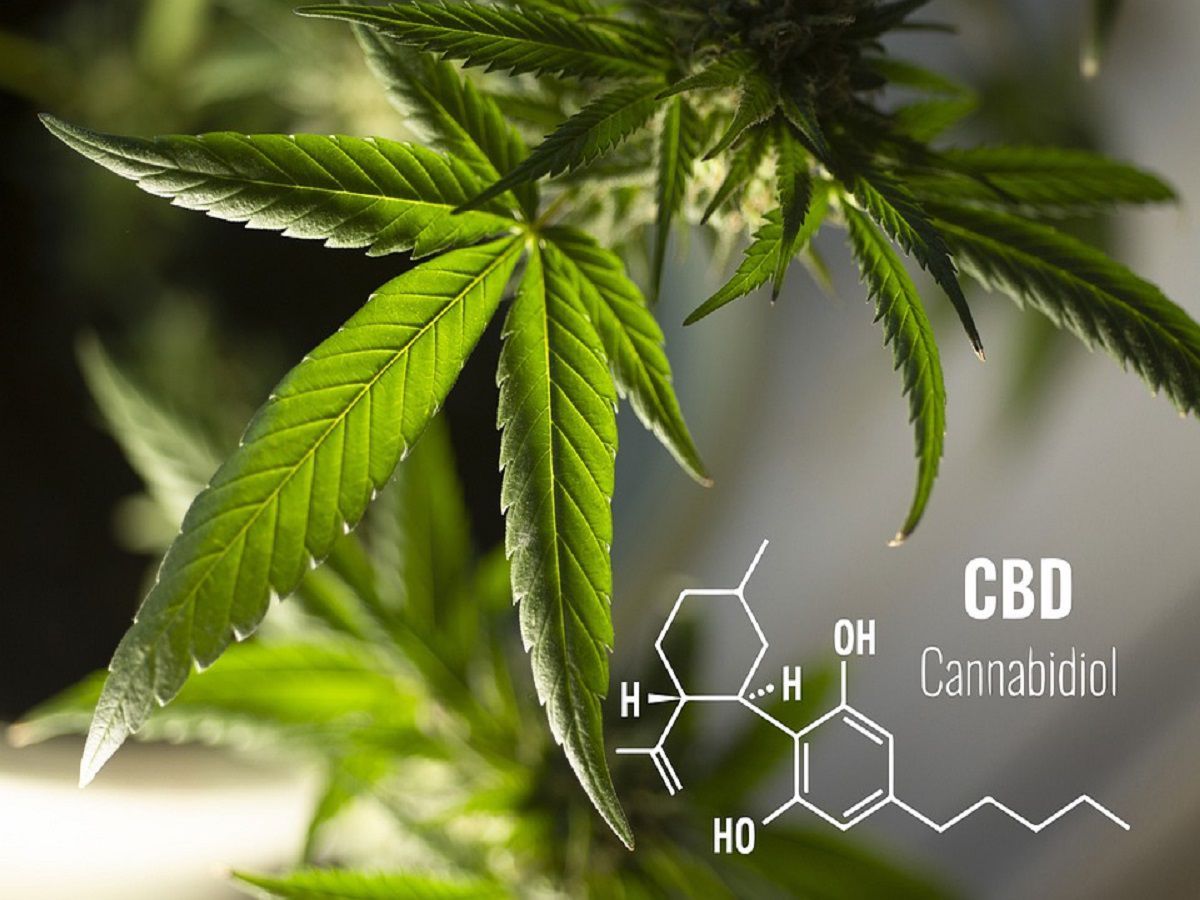
CBD oil

CBD-Rich Cannabis Extracts Are Safe For Pediatric Autism Patients According To Brazilian Study

Cannabidiol (CBD) is the subject of a growing number of studies as researchers and medical professionals continue to work to unlock the healing properties of the cannabinoid.

One condition that researchers seem to be focusing on more and more is autism. CBD is thought to be able to effectively treat autism, including among younger patients.

Researchers in Brazil recently conducted a study that looked specifically at CBD’s safety as it pertains to pediatric patients with autism spectrum disorder. Below is more information about it via a news release from NORML:

João Pessoa, Brazil: The administration of CBD-rich cannabis extracts is safe and effective in mitigating symptoms in children with autism spectrum disorder (ASD), according to placebo-controlled, randomized clinical trial data published in the journal Trends in Psychiatry and Psychotherapy.

Brazilian researchers evaluated the use of CBD extracts versus placebo in 60 children (ages 5 to 11) with ASD over a 12-week period.

Compared to the placebo group, subjects receiving CBD extracts experienced significant improvements in their ability to engage in social interactions. They also experienced reduced anxiety and agitation. Only a minority of subjects administered CBD exhibited adverse events, namely dizziness and insomnia.

The study’s findings are consistent with those of other trials similarly reporting improvements in patients’ ASD symptoms following their use of cannabinoid products. Survey data published in October by the publication Autism Parenting Magazine reported that 22 percent of US caregivers or parents have provided CBD to an autistic child. Survey data from the United Kingdom recently reported that autistic adults were nearly four times as likely as controls to report having used CBD within the past year.

Full text of the study, “Evaluation of the efficacy and safety of cannabidiol-rich cannabis extract in children with autism spectrum disorder: Randomized, double-blind and controlled placebo clinical trial,” appears inTrends in Psychiatry and Psychotherapy. Additional information on cannabis and ASD is available from NORML.
autism, brazil

arthritis

One In Five Canadian Arthritis Patients Acknowledge Using Medical Cannabis

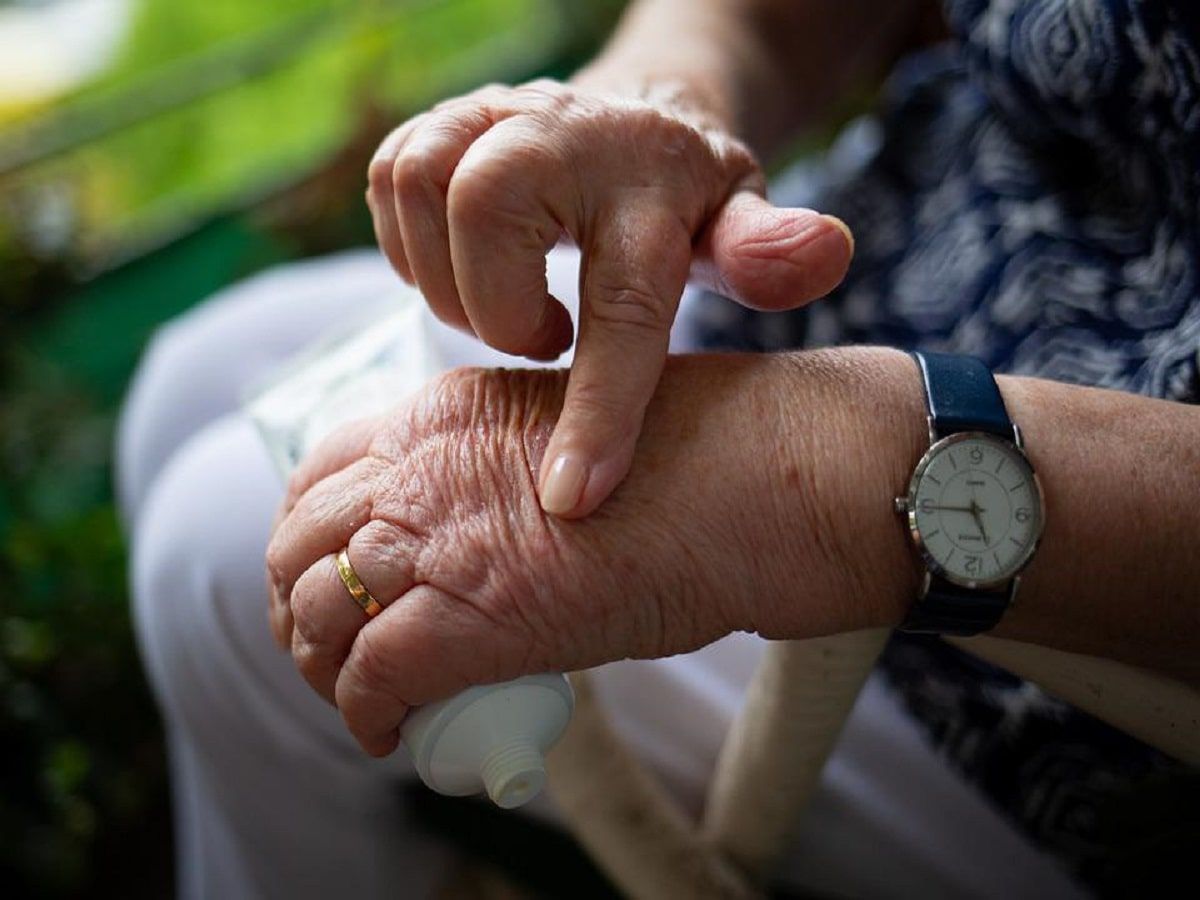
It is estimated that as many as 350 million people around the globe suffer from arthritis. Arthritis is defined as painful inflammation and stiffness of the joints.

The condition is particularly prevalent in North America. In the United States alone it is estimated that 1 out of every 4 adults suffers from arthritis to some degree, with some cases being extreme.

More and more arthritis patients are turning to the cannabis plant for relief, as demonstrated by the results of a recent study in Canada. Below is more information about it via a news release from NORML:

Toronto, Ontario: Arthritis patients frequently reported consuming cannabis for symptomatic relief, according to survey data published in the journal Clinical and Experimental Rheumatology.

A team of Canadian investigators surveyed 799 patients at eight rheumatology clinics in Ontario. (Cannabis is legal in Canada for both medical purposes and for adults.)

Just over 20 percent of those surveyed acknowledged either having consumed cannabis within the past two years or being current users of cannabis products. Compared to non-users, those who consumed cannabis were more likely to be younger and were more likely to report suffering from severe pain.

Cannabis consumers reported using it to treat pain, anxiety, and to promote sleep. Seventy-eight percent of them reported medical cannabis to be “at least somewhat effective” at mitigating their symptoms.

The study’s findings are consistent with French survey data, published in 2021, which reported that “nearly 20 percent of patients suffering from rheumatologic diseases actively consume cannabis.”

Longitudinal data published in April reported that osteoarthritis patients decrease their daily opioid intake and experience improvements in their overall quality of life following the initiation of medical cannabis therapy. Authors of the study concluded: “Our findings indicate that providing access to MC [medical cannabis], helps patients with chronic pain due to OA [osteoarthritis] reduce their levels of opioid usage in addition to improving pain and QoL [quality of life]. Furthermore, a majority of patients did not feel intoxicated or high from MC, and of those who did, only a small percentage said it interfered with their daily activities. … Our findings support the literature in that MC reduces the use of opioids for the treatment of chronic pain.”

Full text of the study, “Medical cannabis use by rheumatology patients in routine clinical care: Results from the Ontario Best Practices Research Initiative,” appears in Clinical and Experimental Rheumatology. Additional information on cannabis and rheumatoid arthritis is available from NORML.

arthritis, Canada

kiev ukraine flag

Ukraine Moves Closer To Legalizing Medical Cannabis

Days ago Ukraine’s cabinet approved a draft medical cannabis bill, sending it to Parliament for consideration. Compared to other countries in the region, Ukraine has been very slow to reform its medical cannabis policies.

“The Cabinet of Ministers of Ukraine supported the bill that will regulate the circulation of cannabis plants for medical, industrial purposes, scientific and scientific-technical activities. This bill will expand patients’ access to the necessary treatment for a number of diseases, including cancer and post-traumatic stress disorder.” Ukraine’s Ministry of Health stated in a news release.

“We understand the negative consequences of war on the state of mental health. We understand the number of people who will need medical treatment as a result of this impact. And we understand that there is no time to wait. Therefore, we have already prepared a legislative basis to ensure a full cycle of cannabis-based drug production in Ukraine: from cultivation and processing to full-fledged production.” Minister of Healthcare Viktor Liashko wrote in a Facebook post about the measure.

“At the same time, we still propose to establish strict control over the cultivation, production and implementation of drugs, understanding the sensitivity of this issue in society and are ready to gradually develop this industry, showing the results of treatment and help oh to Ukrainian patients. Not to import, but to do ours, Ukrainian! Historically, cannabis-based drugs have been used to reduce pain, spasms and muscle strains, treat anorexia, PTSD, and anxiety disorders. In addition, they are used in the treatment of individual types of epilepsy, glaucoma, psoriasis, parkinsonism, multiple sclerosis. An important purpose of this medication is to alleviate the pain and suffering of seriously ill and palliative patients, including cancer patients and HIV patients.” Liashko went on to write.

According to the Ukraine Ministry of Health’s news release, the measure would ‘License economic activities for the cultivation of varieties of plants of the genus Cannabis for medical purposes’ as well as ‘authorize the cultivation of varieties of plants of the genus Cannabis for medical, industrial purposes, in scientific and scientific-technical activities.’

The measure now moves to Ukraine’s Parliament for consideration.

ukraine

driving car dui duii under the influence intoxicants

Study: CBD Does Not Impact Cognitive Function, Simulated Driving Performance

Every responsible cannabis consumer on the planet recognizes that operating a motor vehicle on a public roadway while being intoxicated by any substance, cannabis included, is not safe.

With that being said, just because someone has cannabis in their system does not automatically mean that they are too impaired to safely operate a motor vehicle.

That is demonstrated in the results of a recent study conducted in Australia. Below is more information about it via a news release from NORML:

Sydney, Australia: The oral administration of up to 1500 mg of CBD does not induce feelings of intoxication and is not associated with changes in simulated driving performance, according to data published in the Journal of Psychopharmacology.

A team of Australian researchers assessed the impact of varying dosages of CBD (ranging from 15 mg to 1500) versus placebo in 17 subjects. Study participants engaged in a series of simulated driving tests at approximately one hour and four hours after dosing. Investigators separately assessed subjects’ cognitive performance via their completion of a variety of computerized tasks. Participants were also asked whether they felt either “stoned” or “sedated” at any time during the trial.

Consistent with prior research, authors reported that CBD administration was not associated with either weaving or any other significant changes in simulated driving performance. Participants also failed to show any significant differences in either cognitive function or in their subjective feelings of well-being following CBD dosing.

Authors concluded: “The results of this study suggest that acute, oral CBD treatment at doses up to 1500 mg does not induce feelings of intoxication and is unlikely to impair cognitive function or driving performance. However, further research is required to confirm no effect of CBD on safety-sensitive tasks in the hours immediately post-treatment and with chronic administration.”

Full text of the study, “Effects of cannabidiol on simulated driving and cognitive performance: A dose-ranging randomized controlled trial,” appears in the Journal of Psychopharmacology. Additional information is available from NORML’s fact sheet, ‘Marijuana and Psychomotor Performance.’

CBD, driving

cannabis leaf

European CBD Novel Food Evaluations Put On Hold

Cannabidiol (CBD) products are extremely popular around the world, with consumers and patients buying them every day around the globe from brick and mortar stores, online, and virtually every other way that people buy any other type of product.

A vast majority of those products are either under-regulated or completely unregulated. That is not to say that every product is unsafe, however, what percentage of products are unsafe is nearly impossible to know right now.

Governments around the world are scrambling to try to implement rules and regulations for the emerging CBD industry, with many of them experiencing setbacks.

The latest example of that is in Europe, where the European Food Safety Authority announced this week that it will be putting a pause on processing CBD novel food applications. Below is more information about it via a news release from the European Food Safety Authority:

EFSA’s expert Panel on Nutrition, Novel Foods and Food Allergens (NDA) has received 19 applications for CBD as a novel food, with more in the pipeline.

Chair of the NDA Panel, Prof. Dominique Turck said: “We have identified several hazards related to CBD intake and determined that the many data gaps on these health effects need filling before these evaluations can go ahead. It is important to stress at this point that we have not concluded that CBD is unsafe as food.”

There is insufficient data on the effect of CBD on the liver, gastrointestinal tract, endocrine system, nervous system and on people’s psychological well-being.

Studies in animals show significant adverse effects especially in relation to reproduction. It is important to determine if these effects are also seen in humans.

This latest delay is definitely disappointing, and will likely be pointed to by cannabis opponents as ‘justification’ to abandon the CBD industry entirely.

It’s not as if there is a lack of research on this subject. A quick search on PubMed.gov, which houses peer-reviewed study results from around the globe, lists 4,881 returns for a ‘cannabidiol’ search query. A search for ‘CBD’ returns 9,727 study results.

By comparison, a search for the common sleep aid ‘Lunesta’ returns only 314 results. Obviously, it’s not an apples-to-apples comparison, but it does provide context regarding the level of research that CBD has already been subjected to.

Hopefully the European Food Safety Authority gets the data that they think they need and can get back to processing applications sooner rather than later.

In addition to the growing body of peer-reviewed research, there are literally millions of people around the globe that now regularly use CBD products and the sky has yet to fall. It’s anecdotal but still worth noting.

CBD, Europe, novel foods

israel flag

Researchers In Israel: Cancer Patients “Improved Significantly” After Medical Cannabis Use

Cancer is absolutely one of the worst things on this planet. If you or a loved one has suffered from cancer then you know firsthand how awful it is.

Scientists and doctors have worked countless hours over many decades to try to get to the bottom of what causes cancer in an attempt to try to prevent it, as well as working to determine what treatments are effective for people that develop cancer.

The cannabis plant is often the subject of cancer treatment research, with quite a bit of research determining that cannabis seems to be beneficial to some extent. That is what researchers in Israel seemed to find when they recently conducted a medical cannabis study involving oncology patients.

“The use of medical cannabis (MC) to treat cancer-related symptoms is rising. However, there is a lack of long-term trials to assess the benefits and safety of MC treatment in this population. In this work, we followed up prospectively and longitudinally on the effectiveness and safety of MC treatment.” the researchers stated.

“Oncology patients reported on multiple symptoms before and after MC treatment initiation at one-, three-, and 6-month follow-ups. Oncologists reported on the patients’ disease characteristics. Intention-to-treat models were used to assess changes in outcomes from baseline. MC treatment was initiated by 324 patients and 212, 158 and 126 reported at follow-ups.” the researchers stated regarding the study’s methodology.

“Most outcome measures improved significantly during MC treatment for most patients (p < 0.005). Specifically, at 6 months, total cancer symptoms burden declined from baseline by a median of 18%, from 122 (82–157) at baseline to 89 (45–138) at endpoint (−18.98; 95%CI= −26.95 to −11.00; p < 0.001). Reported adverse effects were common but mostly non-serious and remained stable during MC treatment.” the researchers determined.

“The results of this study suggest that MC treatment is generally safe for oncology patients and can potentially reduce the burden of associated symptoms with no serious MC-related adverse effects.” the researchers concluded.

Feel free to share the results of this study with people that you know. As always, make sure to consult with your doctor before starting any medical treatment, including medical cannabis treatment.

israel

morocco flag

Morocco’s National Cannabis Regulatory Agency Meets For The First Time

Morocco is one of many countries around the world that are working towards reforming their cannabis laws and launching a legal, regulated cannabis industry.

For several decades Morocco has served as an international source of cannabis, albeit an unregulated one. Hashish from Morocco is common in parts of Europe, especially Spain.

The demand for cannabis products from Morocco is clearly there, it’s just a matter of getting the country and legal global industry to a point where legal supply can meet legal demand, and that is also true for domestic sales.

That will be awhile, however, Morocco did recently take a significant step in that direction when its regulatory agency met for the first time. Per The New Arab:

Morocco’s national regulatory agency overseeing the use of marijuana for medical use met for the first time on Thursday in one of the last steps before legalisation in the world’s top cannabis-resin producer.

The North African nation adopted a law in 2021 provisionally authorising the legal uses of cannabis for medical, cosmetic and industrial uses, and tasked a national agency to oversee the process.

Chaired by Interior Minister Abdelouafi Laftit, the National Agency for the Regulation of Cannabis Activities approved its organisation chart and budget for the year 2022.

A regulated industry cannot exist without a regulatory body overseeing it, and from that perspective, the inaugural meeting by the National Agency for the Regulation of Cannabis Activities is a big deal in Morocco. Hopefully it helps speeds things up.

morocco

dentist teeth oral care

Researchers Find CBD To Be An Effective Form Of Oral Care Treatment

Having a wound in your mouth can be very uncomfortable, and in some cases, can lead to serious health issues. Developing a wound in your mouth can happen due to a number of factors, and regardless of the reason, it’s something that needs to be taken seriously.

Failing to properly care for a mouth wound can lead to infections in some cases, and at the very least, it will make the problem last longer if it goes untreated.

Researchers in Thailand recently examined the ability of cannabidiol (CBD) to treat oral inflammation, gingival wounds, and ulcers by using a scratch test assay and evaluating cytotoxicity.

“The hemp extract and CBD significantly decreased TNF-α release by up to 91.05 ± 2.91% and 50.78 ± 7.21% of LPS activity, respectively, in a dose-dependent manner, compared to 10 µg/mL hydrocortisone (61.67 ± 3.79%). The hemp extract and CBD also significantly decreased IL-1β release, also in dose-dependent response, up to 78.03 ± 3.34% and 85.87 ± 1.11% of LPS activity, respectively, compared to 5 µg/mL hydrocortisone (80.81 ± 3.55%).” the researchers stated.

“The mean percentage of closure of the wound area was 27.92 ± 1.21% when exposed to 5 µg/mL hemp extract and 33.49 ± 1.67% when exposed to 0.5 µg/mL CBD, compared to 24.34 ± 2.29% for non-treated control.” the researchers went on to say.

“Our study demonstrates that both hemp extract and CBD can inhibit TNF-α and IL-1β production in LPS-induced RAW 264.7 cells and promote wound healing in HGF-1 cells. This is the first to show that short-term exposure to hemp extract and CBD promoted gingival fibroblast wound healing, demonstrating that hemp extract and CBD have potential benefits in the treatment of oral inflammation and ulcers.” the researchers concluded.

If you are experiencing any of the conditions mentioned in this article make sure to contact a medical professional as soon as possible before trying any new treatments.

CBD

South africa flag

South Africa Department Of Justice: Cannabis Industry Not Our Domain

In the fall of 2018, South Africa’s Supreme Court determined that cannabis prohibition as it pertained to personal use by adults in private settings was unconstitutional. While the decision did not extend to many other parts of cannabis policy, lawmakers in South Africa used it as an opportunity to completely overhaul the nation’s approach to cannabis policy and industry.

Similar court decisions were rendered in Italy and Mexico to some degree, however, lawmakers in those countries have been very slow to move policy beyond the individual Court decisions.

South Africa, on the other hand, has really stepped up efforts to embrace the cannabis plant and the industry that surrounds it. As we previously reported, South Africa’s government is currently accepting proposals for cannabis businesses and recently approved the country’s first cannabis pharmacy.

In yet another example of the shifting cannabis landscape in South Africa, the nation’s Department of Justice recently announced that it should not oversee the emerging cannabis industry. Instead, its recommendation is that other agencies that oversee other large, legal industries perform that task. Per Business Day:

The department of justice was not empowered to introduce legislation dealing with the commercialisation of cannabis, as that fell within the domain of other departments such as health, agriculture, and trade, industry and competition.

On Tuesday, the department of justice’s legal adviser, Sarel Robbertse, gave the department’s response to public comments on the Cannabis for Private Purposes Bill, in a briefing to parliament’s justice and correctional services committee…

It will be very interesting to see where South Africa’s cannabis industry is at five years from now, and how much farther along it is compared to other countries within the global cannabis community.

south africa

Thailand flag

Government Agencies In Thailand Sign Agreement To Promote Cannabis

In one week Thailand will implement robust changes to the country’s cannabis policies, not the least of which will be allowing every household in the country to sign up to cultivate low-THC cannabis.

To help encourage the nation’s industry, Thailand’s government previously announced that it will offer low-interest loans to aspiring cultivators, as well as distribute over 1 million free cannabis seeds to the public.

Earlier this week over half a dozen agencies in Thailand entered into an agreement to promote the nation’s emerging cannabis industry going forward. Below is more information via a social media post from the National News Bureau of Thailand:

An agreement has been signed by the Ministry of Public Health and seven other agencies to support and promote the appropriate use of cannabis and hemp.

Public Health Minister Anutin Charnvirakul presided over the signing of the agreement to prioritize using cannabis and hemp for health and economic purposes, and not for illegal or inappropriate use. In addition to the health ministry, the agreement was signed by representatives from other agencies, namely the Ministry of Tourism and Sports, the Thai Health Promotion Foundation, the Mass Communication Organization of Thailand, The Medical Council of Thailand, and Thai Traditional Medical Council.

The Royal Thai Police, the Office of the Narcotics Control Board and the Food and Drug Administration also signed as witnesses for the agreement.

According to Anutin, the agreement aims to ensure that use of the plants is prioritized for medicinal and economic purposes, encourage product diversity, and increase market value. He also emphasized the importance of publicizing the goal of removing these plants from the Type 5 Narcotics List in order to prevent public misuse.

Both plants will be removed from the Type 5 Narcotics List on June 9, 2022. However, any product containing more than 0.2% Tetrahydrocannabinol (THC) extract is still classified as a category 5 substance and is subject to narcotics control and suppression laws.

Anyone who wishes to grow cannabis and hemp must register through the Food and Drug Administration’s “Puk Kan” mobile application, while those who intend to cultivate them for commercial purposes must notify the authorities before starting their business.

Thailand

German Parliament

Heidi Klum Reportedly Lobbying For Cannabis Legalization In Germany

Pushing for cannabis legalization can come in many forms. Cannabis activists around the globe, out of necessity, have pursued every strategy imaginable in their efforts to try to reform cannabis laws where they live.

In some parts of the world where initiative and referendum processes are in place, activists have gathered signatures in order to put cannabis reform measures in front of voters. It’s largely how cannabis has been legalized at the state level in the United States.

At the national level, legalization has been achieved in Uruguay, Canada, and Malta via the legislative process, meaning, lawmakers passed a legalization measure (not voters). Successful legalization efforts in those countries became a reality largely due to lobbying.

Lobbying lawmakers with the goal of convincing them to pass a legalization measure involves people from all types of backgrounds meeting with lawmakers, educating them, and advocating for reform.

Being that the lobbying process involves getting the ear of one or more lawmakers, obviously, not all lobbyists are seen as being equal. For instance, a country’s famous supermodel is likely to be a bit more persuasive compared to less famous citizens.

With that in mind, there’s a significant political situation developing in Germany where it is being reported that supermodel Heidi Klum recently met with Germany’s current drug czar for the purpose of lobbying in support of legalization. Per RTL (translated from German to English):

“GNTM” boss Heidi Klum (48) came unannounced to the German capital on Friday (May 20) and was seen in the Berlin government district, among other things. The reason: As RTL found out exclusively, Tom Kaulitz ‘s wife (32) is said to be campaigning for the legalization of cannabis .

Current photos of the 48-year-old show her in a colorful pants suit, strolling through Berlin in a good mood. On Friday morning, the mother of four was seen in exactly this outfit, among other things, in front of the office of the federal government’s drug commissioner, Burkhard Blienert (56). As RTL learned from a source from the government circles, she is said to have subsequently met with Member of the Bundestag Andrew Ullmann (59). Is the native Rhinelander aiming for a career in politics? To some extent, this theory could be correct, because she is said to have offered herself in talks with politicians as a supporter of the legalization of cannabis.

It does not appear that any notes have surfaced regarding what was specifically discussed in the private meetings between Klum and German lawmakers. It’s also unclear what is specifically motivating Klum to step up her advocacy efforts.

However, the fact that Klum has emerged as a cannabis legalization lobbyist in Germany can only help bolster the chances of legalization happening sooner rather than later.

Germany, heidi klum

argentina flag

The Cannabis Industry Moves Forward In Argentina

Back in 2017, lawmakers in Argentina passed a medical cannabis legalization measure. Unfortunately, that legislation proved to be more symbolic than anything, at least in the three years following the bill’s passage.

The lack of meaningful implementation of medical cannabis reform was largely due to former President of Argentina Mauricio Macri who seemed to do everything in his power at the time to hinder the nation’s medical cannabis program.

The current President of Argentina, Alberto Fernández, later issued a decree in 2020 that increased safe access in the South American country. The decree legalized home cultivation, and also set the stage for Argentina’s legal cannabis industry to emerge.

The decree allowed pharmacies to sell cannabis-derived oils, topicals, and other products, and it directed insurance systems to cover medical cannabis treatments for patients who obtained a prescription.

Earlier this month lawmakers in Argentina passed a measure that would create the framework for a more robust medical cannabis industry in Argentina, including provisions for boosting exports around the world. That bill was signed into law this week. Per La Prensa:

The move, backed by president Alberto Fernández, aims to ensure the safety, quality, control and traceability of the production chain as well as create new jobs, increase productivity and generate new exports for the South American country that is facing a deep economic crisis.

Fernández’s government says the industry could create up to 10,000 new jobs by 2025, boost the domestic market by $500 million and increase export revenues to over $50 million.

Cannabis will be used for medicinal purposes while hemp, which is also derived from the cannabis plant, has multiple uses.

Argentina has now become the latest country to embark on a mission to try to gain as much of a footprint in the emerging global cannabis industry as possible.

The President of Argentina’s predictions may seem bold to some people, however, the job creation and revenue goals are entirely possible if the country proceeds methodically and effectively. Only time will tell if that proves to be the case or not.

argentina

International Cannabis Business Conference

NEWS FROM AROUND THE GLOBE

BROUGHT TO YOU BY THE ICBC

© International Cannabis Chronicle. All rights reserved. Site developed and hosted by Rogue Web Works.