NEWS FROM AROUND THE GLOBE BROUGHT TO YOU BY THE ICBC

Author: Johnny Green

Johnny Green is a cannabis activist and prolific author from Oregon. Green was the High Times Freedom Fighter of the Month in May 2017 and appeared in the Netflix cannabis documentary 'Grass is Greener.'
cannastore

The Future Of Cannabis Dispensing

I am proud to state that I am on an ever-growing list of lucky people that get to live where cannabis is legal for both medical and adult use. Oregon, where I live, legalized cannabis for medical use in 1998 and then for adult use in 2014. I am extremely thankful that I do not have to be subjected to the inhumane public policy that is cannabis prohibition.

Additionally, I am very thankful that I can make legal purchases at regulated dispensaries. Before legal dispensaries existed in my area I had to make my purchases from the unregulated market where options are limited and customer service is basically nonexistent. Being able to walk into a fixed storefront that has set hours and choose from a buffet of cannabis products is an amazing thing that every consumer and patient should be able to legally do.

With all of that being said, there’s one major hiccup to the dispensary model that exists in most places where cannabis commerce is allowed to operate. For those that have never visited a dispensary, it can prove to be a very time-consuming ordeal, especially on a busy day.

If I had to estimate it, from the time that I pull up to a dispensary until I finalize my purchase it takes anywhere from tens of minutes all the way up to an hour. I have family in Las Vegas that go to very popular dispensaries that tourists shop at, and they have told me that their purchasing experiences take well longer than an hour from start to finish.

Part of what takes so long is waiting in line, however, at the heart of the issue is how inefficient the storage and retrieval of cannabis products is at virtually every dispensary. To be clear, I am not talking about the decision-making process. I am referring to after the decision is made regarding what to purchase, how long it takes for a budtender to compile everything, and if it’s flower having to weigh it out and package it all. If it’s a product that isn’t in the display case and the budtender needs to go to the back to a secure area to retrieve something, that just makes things take even longer.

Not only does all of that take a long time, speaking from personal experience, it is kind of awkward standing there at the register in silence waiting for what was purchased to be handed to me. It’s definitely better than living under prohibition, however, there is clearly plenty of room to boost efficiency when it comes to storing and retreiving cannabis products.

With that in mind, I am really impressed by a new invention that is debuting at the International Cannabis Business Conference this week in Berlin, Germany. The CANNASTORE is the first automated dispensing system specifically designed for cannabis products and is sure to revolutionize the cannabis dispensing process.

The hardware system in its standard design is already used in several thousand German pharmacies, however, this new version is even more impressive. The CANNASTORE was tested and developed over two years, and is capable of dispensing products within 6 to 12 seconds. That works out to 500 units in an hour. The CANNASTORE can hold up to 40,000 units before needing to be restocked.

The timing of the CANNASTORE’s debut is in itself very significant given the current political and industry context in Germany. It is no secret that Germany is going to launch an adult-use cannabis industry in the near future, and whether that is this year or next year one thing is for sure – once sales do launch a lot of people are going to be purchasing cannabis in Germany, and being able to serve up cannabis in as efficient of a way as possible is vital to helping prevent bottlenecks at the point of purchase.

The CANNASTORE is not only going to help customers’ purchasing experiences, it is also going to directly contribute to helping Germany’s cannabis industry reach its full potential and the significance of that cannot be overstated.


cannastore, Germany

track and field sports athlete exercise

World Athletics President: Reconsider Cannabis Policies

Athletic competition plays a huge role in society across the planet. Some sports are more popular than others in any given part of the world, however, you will be hard pressed to find a part of the world that doesn’t have athletes competing in some fashion, as well as fans watching them do it.

With that in mind, it’s not a coincidence that professional athletes, including Olympic athletes, have been used for cannabis prohibition propaganda purposes. Prohibition in sports serves the purpose of perpetuating support for cannabis prohibition in society. Anyone that says otherwise hasn’t paid attention. Professional sports leagues and regulatory bodies are starting to reform their cannabis policies, yet historically that was not the case.

Growing Calls For Reform

Late last week the President of World Athletics, Sebastian Coe, indicated support for reviewing the sports regulatory body’s cannabis policies. The hinting at a cannabis policy review came right before the beginning of the track and field World Championships.

“I have actually encouraged our own Athletics Integrity Unit to enter into discussions with the World-Anti Doping Agency, and obviously the national anti-doping agencies, to look at this and to come back with some thoughts and suggestions,” Coe said according to Insider.

It makes no sense why track and field athletes, or any other athletes, would be penalized for simply having cannabis in their system. After all, no one is advocating that athletes should be able to compete while intoxicated by cannabis (or anything else for that matter). Cannabis is not ‘bad for athletes’ as some prohibitionists claim, and while cannabis does provide wellness benefits, those benefits do not rise to the level of it warranting continued prohibition under the premise that ‘cannabis is a performance-enhancing substance.’

Making An Example Out Of Athletes

If you have followed sports long enough, then chances are you have seen an athlete fail a drug test for cannabis at least once. That is what happened to my hero multiple times, former NBA player Clifford Robinson, during his 18-year playing career. Each time he failed a league drug test it wasn’t just the penalty of getting fined or missing games that he had to deal with.

Robinson was consistently subjected to enormous and unjust stigma each time, being described by the media and league officials as ‘having let his team down’ and having ‘off the court problems’ that ‘makes it hard to have him be a part of the franchise.’ In every measurable way Robinson, who I would later become friends with and help with his pursuits in various manners, was the target of a relentless smear campaign because the league wanted to make an example out of him, and to some extent that targeting involved prohibitionists outside of the league.

It’s a stigma that followed him well into retirement, preventing him from ever getting coaching positions he wanted, from being invited to various league functions, and many other things. I know that to be true because I witnessed it firsthand while helping him. To hammer home the point, the team Cliff was an all-star for, my beloved Portland Trail Blazers, does not have his number hanging in the rafters and I have yet to find any pictures or references of him at the Blazers’ arena, despite Robinson being the only ‘6th Man of the Year’ recipient in the team’s entire history.

As far as I am concerned, not only does the NBA need to recognize Clifford’s contributions to the league during his historic career, the league also needs to issue a formal apology to him and every other athlete that was subjected to inhumane cannabis policies. The same needs to happen in every other major sports league, the Olympics, and by other athletic entities that enforced cannabis prohibition policies, including World Athletics.

olympics, world athletics

Europe map with pins

European Parliament Members Form New Cannabis Reform Group

The European continent is in the midst of a cannabis revolution with policies being reformed for the better in a growing number of countries. Malta became the first country on the continent to pass an adult-use cannabis legalization measure late last year, and it most certainly will not be the last to do so.

Cannabis reform is a serious issue that every country needs to explore thoroughly and with an open mind. Also, countries need to collaborate as much as possible to help ensure that their domestic laws don’t create unnecessary hurdles for the emerging industry.

In order for Europe’s legal cannabis industry to reach its full potential, not only do domestic laws within individual countries need to be sensible, but there also needs to be a concerted effort at the continental level to adopt policies, rules, and regulations that make sense.

Members of the European Parliament seem to agree with the previously stated needs and have formed a group involving multiple political parties and representing multiple nations. Per Malta Today:

Five members of the European Parliament hailing from different political groups and different EU Member States have come together to create an informal interest group of MEPs who support human rights-based policies relating to the personal use of cannabis.

In an open letter to the 705 Members of the European Parliament encouraging MEPs to join the informal group, MEPs Cyrus Engerer (Malta, SD), Monica Semedo (Luxembourg, Renew), Mikuláš Peksa (Czech Republic, Greens), Dorian Rookmaker (The Netherlands, ECR) and Luke “Ming” Flanagan (Ireland, The Left) welcome the recent developments on cannabis legalisation in Germany, Malta and Luxembourg and call for more information sharing between Member States on the topic.

How fruitful the group’s efforts will end up being is anyone’s guess at this point, however, it’s definitely a worthwhile endeavor and hopefully more members will join, especially from countries like Germany and Switzerland where the cannabis industry is booming.

With Germany inching ever-closer to legalization, and the likely opening of the legalization floodgates once that happens, it’s more important now than ever for lawmakers across Europe to join the conversation if they haven’t already, and to let facts and evidence lead the way instead of letting prohibition politics drive the conversation.

Europe

Palacio Salvo Montevideo Uruguay Architecture

Senator Proposes Cannabis Tax In Uruguay

Uruguay will forever hold the title of being the first country on earth to pass a nationwide adult-use cannabis legalization measure. Lawmakers in Uruguay made the historic move in 2013, with regulated sales launching in 2017.

Regulated sales are still limited to residents in Uruguay, with tourists currently being prohibited from making legal purchases. It’s one disadvantage to Uruguay’s legalization model compared to Canada’s, where anyone of legal age can make purchases regardless of their residence status.

One distinct advantage that Uruguay’s model has over Canada, at least from a consumer standpoint, is that there is no tax on cannabis purchases in Uruguay. When Uruguay’s law was initially passed, the lack of taxes on cannabis purchases was geared toward directly undercutting the unregulated market.

Lawmakers in Uruguay recognized at the time that the more regulated cannabis costs at the point of sale, the less likely consumers would be to take the regulated route versus making their purchases via unregulated sources. This is not to say that Uruguay’s cannabis industry is free from fees. Producers have to pay licensing fees and people in the industry still have to pay income taxes on profits.

A Senator in Uruguay is proposing a new tax on cannabis to help fund, among other things, athletic competitions. Per El Observador Senator Sergio Botana is proposing a 1.5% tax on cannabis in Uruguay to help generate funds for the Uruguay Olympic Committee.

By comparison, cannabis taxes in Canada are much more complex than the flat percentage rate being proposed in Uruguay by Senator Botana. Still, a 1.5% tax rate would effectively be lower than what is required in Canada, and significantly lower than many (if not all) of the state-level tax rates in the United States.

With that being said, cannabis taxes are always a risky area of public policy and involve a very slippery slope. If/when Uruguay implements a 1.5% tax rate, how long until it is raised even higher? Whenever lawmakers need to drum up more public revenue, cannabis taxes will likely be a popular target, and that is true not only in Uruguay but also everywhere else that cannabis is legally sold.

Every dollar that gets added to the price of regulated cannabis results in some amount of consumers and patients seeking out cheaper, unregulated options. Also, keeping cannabis tax-free hinders the cannabis industry’s ability to pay for its own regulation and to benefit society beyond regulation, such as generating taxes that go to schools. It’s a delicate balance that lawmakers everywhere need to be mindful of.

uruguay

bermuda flag

Cannabis Reform Saga Continues In Bermuda

Bermuda was on a path to making significant cannabis policy reforms this year. However, all of the progress hit a dead end when the Governor of Bermuda, who is appointed by the United Kingdom, effectively vetoed a cannabis reform measure previously passed by Bermuda lawmakers. Fortunately, there appears to be some hope that the measure could still become law.

As we previously reported on the International Cannabis Chronicle, Boris Johnson’s departure as Prime Minister of the United Kingdom could potentially speed up cannabis reform in the UK. It could also prove to be significant in Bermuda as well. Current UK Foreign Secretary Liz Truss has indicated that she is considering granting ‘royal assent’ to Bermuda’s bill. It was the previous withholding of royal assent by the UK-appointed Governor (Rena Lalgie) that blocked the cannabis reform measure from becoming law.

Filling The UK Political Vacuum

Liz Truss has not publicly announced if/when she will make a formal decision on the matter. All that we have to operate on right now is that ‘A Government House spokesperson’ told The Royal Gazette that “The foreign secretary is considering whether assent can be given, and the Governor awaits a decision.”

It’s absolutely worth noting the context in which Truss will be making the decision that is being reported in Bermuda and the UK. With Boris Johnson on his way out, Truss is expected to pursue the Prime Minister position. How successful she will be if/when she chooses to pursue the effort is unclear, however, along the way she will likely try to make some bold moves to boost support for her as Prime Minister. Granting royal assent to Bermuda would be a great way to do exactly that.

Continued Colonization

The entire concept of royal assent is based on colonization. Bermuda is unfortunately not really its own country in the eyes of the international community, but rather, a British colony. Bermuda was originally colonized following the English Virginia Company permanently settling there in 1609. Later, following the unification of the parliaments of Scotland and England in 1707, Bermuda’s current British colony status was forced on the Bermuda population and has remained in place ever since.

Due to the colony status, Bermuda has to receive approval, or ‘royal assent,’ in order to implement the bills that its own lawmakers approve. It’s an absolutely ridiculous concept that is designed to keep the local population oppressed. From that perspective, not only does the UK need to respect the will of voters and lawmakers in Bermuda, but it also needs to let the people of Bermuda govern themselves without any interference by the UK.

bermuda

cannabis leaf

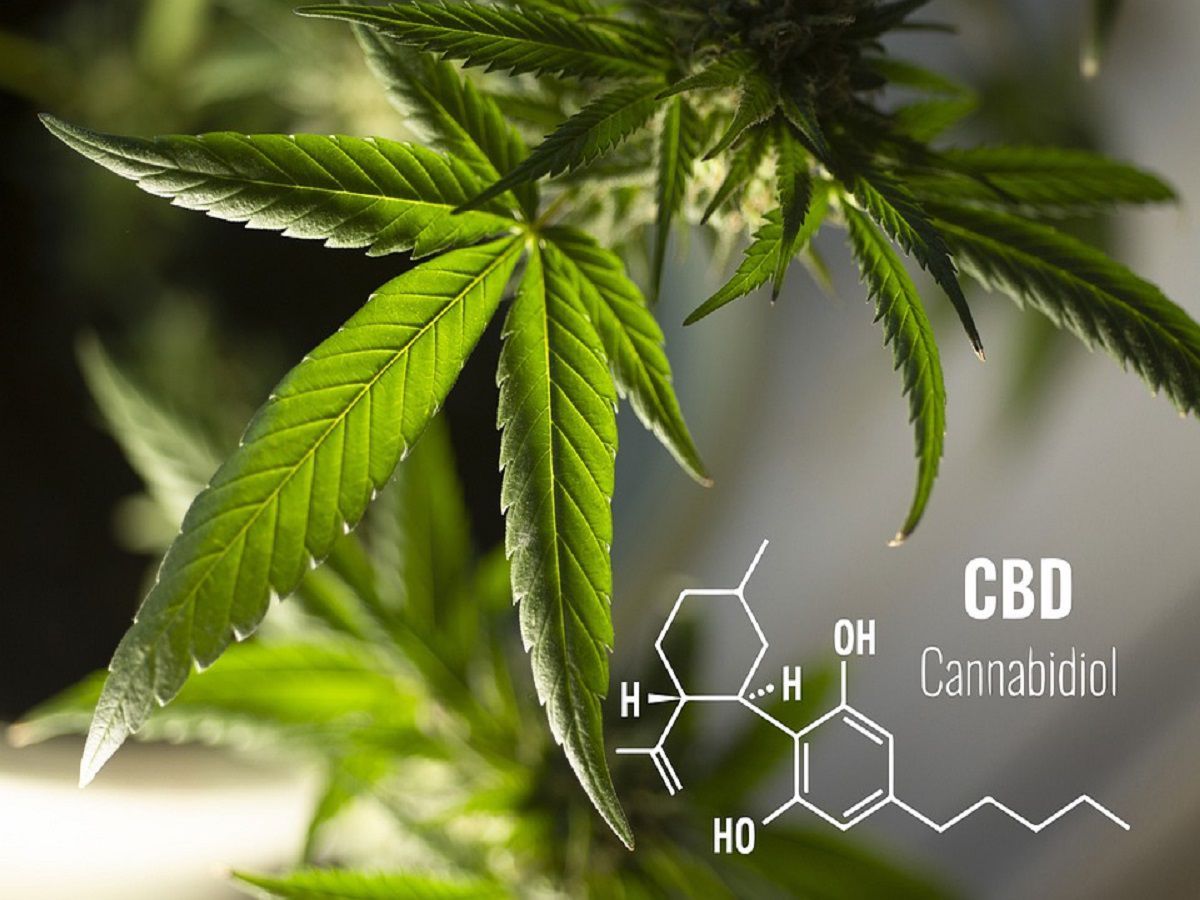
Researchers In Brazil Find That CBD Is Ineffective For Restless Legs Syndrome

Restless leg syndrome may not sound like a serious condition, however, it can have a very negative impact on someone’s life that suffers from the condition. I know this firsthand, as I suffer from the condition.

The condition is characterized by ‘an unpleasant tickling or twitching sensation in the leg muscles when sitting or lying down, relieved only by moving the legs.’

It is estimated that as many as 10% of the global adult human population suffers from restless leg syndrome. It doesn’t seem to be known what ultimately causes the condition, although there are theories that it may be tied to fluctuating dopamine levels.

Whatever the cause, I can say from my own experience that restless leg syndrome is not only extremely annoying, it makes it nearly impossible to sleep at night. People that suffer from restless leg syndrome often also suffer from related insomnia.

Various treatments exist for restless leg syndrome, although there is no ‘one-size-fits-all’ treatment. What works for one person may not work for the next.

One form of treatment that I have followed closely is the use of CBD. I have had it recommended to me countless times, just to try it and not see any improvement. I wasn’t sure if it was just me, or if CBD was simply not an effective treatment.

Researchers in Brazil recently examined CBD and restless leg syndrome and found that it is an ineffective form of treatment. Below is more information about it via a news release from NORML:

Manaus, Brazil: The administration of oral doses of CBD is ineffective at reducing the severity of restless legs syndrome (RLS) in patients with Parkinson’s disease (PD) and REM sleep behavior disorder (RBD), according to clinical trial data published in the journal Cannabis and Cannabinoid Research.

Brazilian researchers compared the use of CBD versus a placebo over a 14-week period. Patients in the CBD arm of the trial received up to 300mgs of cannabidiol.

Patients who were administered CBD demonstrated no improvements compared to those receiving placebo.

“CBD showed no reduction in the severity of RLS manifestations in patients with PD and RBD,” authors concluded.

By contrast, a series of case reports published in 2020 and in 2017 reported that cannabis inhalation is associated with perceived efficacy in patients with refractory restless legs syndrome.

Full text of the study, “Cannabidiol for restless legs syndrome/Willis-Ekbom disease in Parkinson’s disease patients with REM sleep behavior disorder: A post hoc exploratory analysis of a phase 2/3 clinical trial,” appears in Cannabis and Cannabinoid Research.

brazil

milan italy

Why Is It Taking So Long To Legalize Cannabis Cultivation In Italy?

Formal talks to explore legalizing cannabis home cultivation nationwide in Italy are officially underway. Per Corriere delle Alpi as of last week (auto-translated to English), “The general discussion on the cultivation, sale and consumption of cannabis and its derivatives begins in the Chamber.”

Before cannabis enthusiasts and advocates around the world get too excited, it’s probably worth noting that what will unfold in Italy will likely be a long process, which if that does indeed prove to be the case, will be unfortunate. Cannabis prohibition policies as they pertain to home cultivation and any other facet of cannabis consumption, possession, and distribution are failed public policies. That is true both within Italy and everywhere else that prohibition exists.

With that in mind, lawmakers in Italy need to get on the right side of history and end prohibition. That’s an opinion that is not only shared by cannabis enthusiasts inside and outside of Italy, but also within judicial circles in Italy, including at the highest level (no pun intended).

Landmark Supreme Court Decision

In 2019 Italy’s Supreme Court issued a landmark ruling in which it struck down cannabis prohibition as it pertained to personal cannabis cultivation. The Court’s decision was fairly brief, being only one page in length, and containing the words, “at home, small-scale cultivation activities are to be considered excluded from the application of the penal code.”

At the time, the decision was hailed across the globe, and rightfully so. However, since the decision was rendered lawmakers have failed to pass a measure to codify the Court’s decision, as the decision left many unanswered questions, not the least of which is ‘what constitutes small-scale cultivation?’

The specific case that Italy’s Supreme Court reviewed and rendered a decision on back in 2019 involved an individual cultivating 2 plants. Does that mean that there should be a two-plant limit in Italy? More plants? Does the space in which the cannabis is being cultivated matter? Can the plants be cultivated in public view, such as on a balcony or in a backyard surrounded by balconies on neighboring properties? The Court’s decision was favorable, however, it’s up to lawmakers to firm it up and fill in the blanks.

Recent Referendum Sends A Clear Message

In 2021 activists in Italy made the most of a new provision for gathering signatures for referendums, gathering hundreds of thousands of signatures electronically in mere weeks in order to put cannabis legalization before the nation’s voters. The speed at which the signature-gathering effort reached its 600k+ goal was inspiring and spoke volumes about how much voters in Italy want to see an end to cannabis prohibition.

Unfortunately, despite gathering the necessary signatures, the referendum effort was blocked essentially at the last step of the process by Italy’s Supreme Court, which deemed the referendum measure to be unconstitutional. Once again, Italy’s Supreme Court put the issue squarely on national lawmakers.

How long the process will take to end cannabis prohibition in Italy, both for home cultivation and beyond, is anyone’s guess at this point. Activists have tried for a long time to get Italy on the right side of history and it has been slow going (not for a lack of effort!). With that being said, the domestic process to legalize home cultivation in Italy is not happening in a vacuum.

While Italian lawmakers continue to drag their feet several other countries in Europe and around the world are working towards not only legalizing home cultivation but also creating legal adult-use industries. As momentum continues to build outside of Italy, especially on the European continent, it will continue to add to the pressure directed at Italian lawmakers within Italy’s borders.

italy

agropharm

Interview With Rafael Rey Managing Director At Agropharm

Agropharm is one of the leading cannabis companies within the emerging international cannabis industry, providing expert design and engineering services to top cultivation facilities and other company types. I recently interviewed Rafael Rey, Managing Director at Agropharm Projects. My questions are in bold, followed by Rafael Rey’s answers in plain font:

JG: What Is Agropharm?

Rafael: Agropharm is an association of qualified companies from Spain that offers technical advice and consultancy services to farmers, pharmaceutical companies and cannabis investors. From obtaining the licenses to planning the lighting systems or designing the greenhouse structure, we coordinate the construction of facilities for the cultivation of medical cannabis. We help our customers with every aspect of a medical cannabis project from the beginning to the start-up of the installations. In fact, our most common procedure is the turnkey project.

JG: What markets are you currently operating in? Do you have plans to expand to other countries?

Rafael: Currently, the majority of our construction projects are in Portugal. We have also worked on consulting projects for medical cannabis cultivation in certain countries, such as Colombia or Greece. It may sound astonishing that we do not have a project in our home country, but it is due to the legislation. Colombia and Greece have allowed the market to develop compared to many European countries, including Spain. However, we hope to have new projects in Spain in a near future.

JG: What unique challenges have you experienced while taking a cannabis-focused company global compared to growing a cannabis company domestically?

Rafael: The main difference between these types of projects is all that depends on logistics. The integration of all the components involved in the development of these projects is a challenge. That said, we feel very comfortable working on projects abroad.

JG: What business opportunities exist in the global cannabis industry?

Rafael: The facilities network expansion is the best opportunity to open up new markets in this sector. Nevertheless, legalization and the constantly increasing demand are limiting factors that affect our maneuverability significantly.

JG: Where do you see the global cannabis industry in 5-10 years?

Rafael: The progressive legalization of medical and recreational cannabis will increase the number of constructions and land needed to cultivate it. The industry will grow. We hope it will affect the Spanish market. We are looking forward to carrying out great projects in our beloved country.

JG: What advice do you have for someone that wants to succeed in the cannabis industry at the international level?

Rafael: Don’t be afraid and always keep going. Sometimes things can get complicated. When it happens, focus on your goals and never give up. And of course, read the legislation carefully in every country.

JG: What is the best way for folks to keep up on all of your cannabis industry pursuits?

Rafael: We have a LinkedIn profile, Agropharm Projects, where we share inspiring news on the industry and our company. You will learn a lot if you follow us, and we will appreciate it.

agropharm

Germany Drug Commissioner Czar Burkhard Blienert

Germany’s Drug Czar To Keynote International Cannabis Business Conference In Berlin

Germany is in the midst of the most robust and complex cannabis policy and industry endeavor in the history of humankind. Policymakers and industry regulators in Germany have worked diligently since the 2021 election to craft the laws, rules, and regulations that will eventually govern a national adult-use cannabis industry.

Given the size of Germany’s economy and its geographical position in the heart of the European continent, Germany’s adult-use industry will instantly become the largest on the planet once it is launched. Currently, only Canada has a nationwide adult-use cannabis industry that is open to anyone of legal age and involves products that are not just of the low-THC variety.

Legalization can never come soon enough, however, the pace at which Germany’s new coalition government has moved on the adult-use cannabis front is considerable given that the results of the 2021 election are not even one year old. Lawmakers and regulators in Germany want to legalize cannabis in as sensible, effective, and efficient of a manner as possible, and that is not an easy thing to do in a nation that is home to over 83 million people and shares 9 borders with other countries.

Commissioner Burkhard Blienert

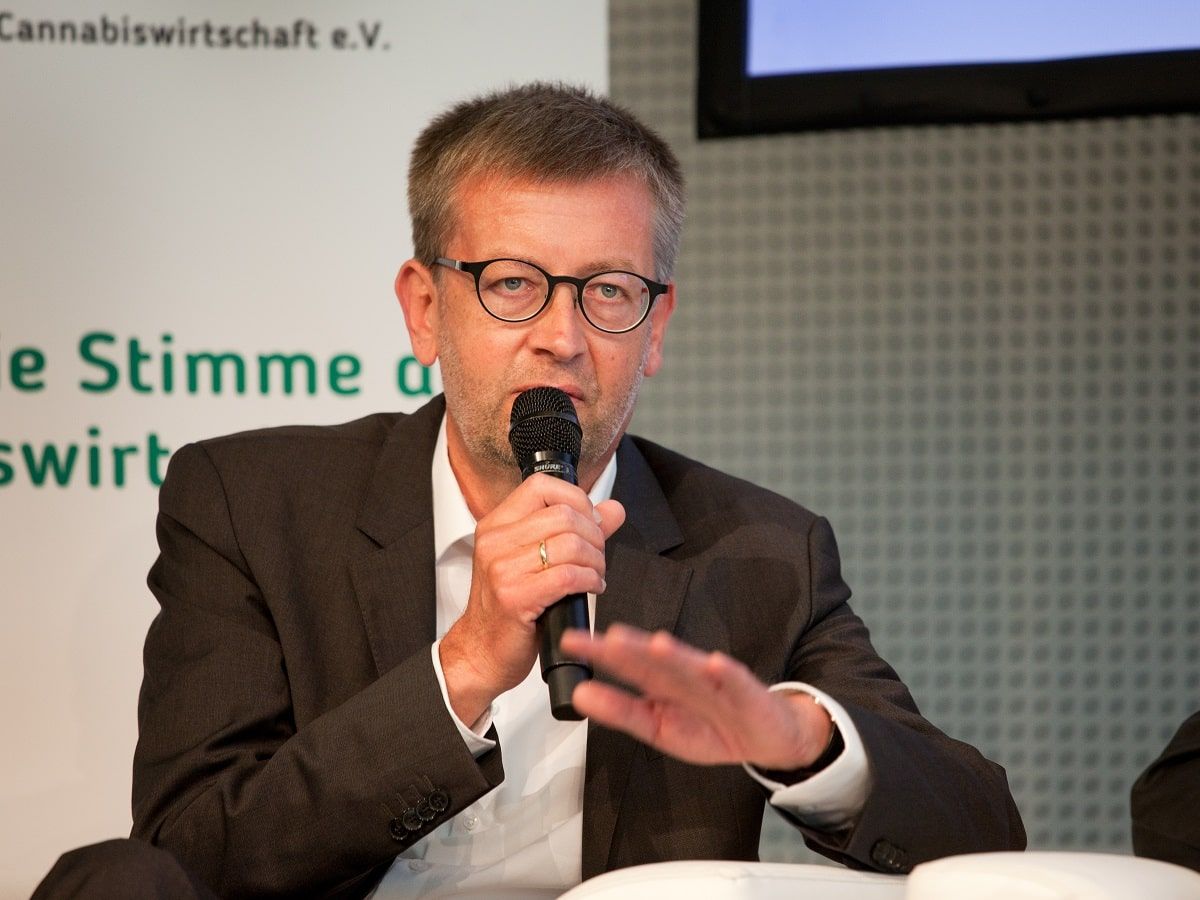
Fortunately for Germany, they have a very qualified and brilliant Commissioner on Narcotic Drugs at the Federal Ministry of Health helping oversee the legalization process, Mr. Burkhard Blienert. We are extremely proud and honored to announce that Mr. Blienert will be the keynote speaker at the upcoming International Cannabis Business Conference in Berlin July 19-20, 2022.

Commissioner Blienert’s resume is extensive, as he has dealt intensively with questions of drug and addiction policy for roughly ten years. In the 18th electoral term (2013-2017) he was a member of the German Bundestag and represented his parliamentary group as a full member of the Health Committee, the Culture and Media Committee and the Budget Committee. Mr. Blienert was his group’s rapporteur on drug and addiction issues during this period.

Since 1990, Mr. Blienert has been a member of the Social Democratic Party of Germany (SPD). He has worked for the SPD party executive committee and served as policy officer of the SPD group in the Land parliament of North Rhine-Westphalia, responsible for school and education, sports and petitions.

Mr. Burkhard Blienert studied politics, modern history and sociology (Master’s) and completed the first state examination for lower secondary education in social sciences, history and pedagogy. As a member of the German Bundestag, Blienert sat on the Board of Trustees of the Federal Agency for Civic Education (BpB), on the Administrative Council of the German National Library and the Hörfunkrat Deutschlandradio broadcasting council as well as on the Administrative Council of the German Federal Film Board (FFA).

Currently, he is a member of the Supervisory Board of the Federal Cultural Federation, the National Society of Labour Welfare (AWO), the United Services Union (ver.di), the association “Against Oblivion – For Democracy” of the German Thomas Mann Society as well as the Paderborn district council.

History In The Making

Commissioner Blienert is not new to our conference. Last year he participated in a truly historic panel in which, for the first time ever, representatives from every major political party in Germany took part in a cannabis-only policy discussion. The discussion was held mere weeks before the 2021 election, the results of which we now have the benefit of knowing.

We are very proud of the fact that much of what was discussed at our panel in 2021 has since become part of the mainstream cannabis policy conversation in Germany. We look forward to continuing the cannabis conversation at this year’s B2B event in July where our schedule will once again feature a number of policymakers that are directly involved in the effort to legalize cannabis in Germany. Attendees will literally be able to get the most up-to-date information regarding what is going on in Germany directly from people involved in the process, including Germany’s current Drug Czar.

In addition to the Berlin B2B event, the International Cannabis Business Conference (ICBC) will also offer a one-day Global Investment Forum (GIF) on July 18, 2022. The ICBC Global Investment Forum in Berlin will feature hand-picked cannabis companies participating in a pitch session in front of top investors on the ICBC Main Stage. It is a tremendous opportunity for cannabis companies in the emerging cannabis industry to showcase their products/services in front of seasoned industry investors. The pitch session is also open to service providers looking for reliable and high-end clients.

At the conclusion of the B2B event, attendees will then be able to enjoy one of the International Cannabis Business Conference’s famous after-parties. This year’s B2B event after-party in Berlin will feature the multi-Grammy award-winning reggae band Morgan Heritage.

Over 5,000 attendees and 350 companies sponsors and exhibitors are expected at the Berlin International Cannabis Business B2B Conference alone. International Cannabis Business Conference events are attended by leading policymakers, executives, and entrepreneurs from all over the world, with over 85 countries being represented at previous events. The event series is the best way for innovators and inventors to get their products or services in front of the top influencers and decision-makers in the cannabis space, as well as for investors to network with aspiring entrepreneurs.

A cannabis industry revolution is sweeping Europe, and Germany is at the center of it. If you’re serious about succeeding in the cannabis industry, check out the International Cannabis Business Conference’s flagship program in Berlin in July. Leading cannabis entrepreneurs and policymakers from around the world will be in attendance and the networking and educational opportunities will be unparalleled. Secure tickets now before they are sold out!

Burkhard Blienert, Germany

cannabis joint lounge social use space consumption

What Constitutes ‘Recreational Cannabis’ In Thailand?

As I have pointed out in previous coverage, Thailand is currently in a category all of its own when it comes to cannabis policy. Roughly two weeks ago Thailand implemented its new cannabis policy which allows, among other things, every household in the country to sign up to cultivate low-THC cannabis.

At the time I didn’t feel comfortable categorizing Thailand as having ‘legalized cannabis’ being that only low-THC cannabis was involved, however, the level at which cultivation was embraced via the new law is clearly better than the average within the international community.

Since the launch of legalization, Thailand’s government has seemed to struggle a bit to officially categorize its new law. Earlier this week Thailand’s government stated on Facebook (auto-translated to English), “The Ministry of Public Health issued an announcement that the use of cannabis and hemp for recreational purposes is not allowed in Thailand. According to the announcement, smoking cannabis or hemp in public is considered a nuisance, as the smoke or the smell may cause health hazards to other people and lead to the risk of such diseases as lung disease, asthma, and bronchitis. Offenders will face imprisonment of up to three months and/or a fine of up to 25,000 baht.”

Who Smokes Low-THC Cannabis For Recreational Purposes?

It is widely known that the main cannabinoid in the cannabis plant that induces intoxication is THC. It is also widely known that CBD does not induce intoxication and that to a degree CBD counteracts THC from an intoxication standpoint. With that in mind, while I obviously can’t speak for every cannabis consumer in Thailand, smoking low-THC cannabis does not exactly sound like an enticing recreational activity.

I think that it’s a safe assumption that many people in Thailand that are smoking low-THC cannabis flower are doing so for wellness purposes. It’s the cheapest and easiest way to medicate. After all, not everyone in Thailand can afford finished medical cannabis-grade extract products.

What really seems to be at the heart of the issue is the act of smoking in public in general, and I suppose that is probably true of other products as well. After all, a ‘nuisance’ can come in many forms, not just smoke. Subjecting people to smoke of any kind is obviously not good from a health standpoint, so if cannabis smoke, tobacco smoke, and other smoke are all treated the same way from an enforcement standpoint then it’s not the end of the world.

Localized Enforcement

Ultimately, cannabis enforcement is going to be handled at a local level in Thailand, including with the new cultivation program. Just as households have to register with the national cultivation program, they also have to register at the local level. If a cannabis smoking nuisance is reported, or any nuisance for that matter, it’s going to be reported to local authorities.

The opinions of local public health offices will play a vital role in cannabis enforcement in Thailand, and with that in mind, the recently expressed views of Phuket’s public health officials are significant. Some of Thailand’s most popular beaches and resorts are located in Phuket.

“Phuket’s Provincial Public Health Office today made a statement to clear up confusion surrounding new cannabis laws. Smoking cannabis is legal, so long as the smoke does not disturb anyone, according to the chief of the Phuket Provincial Health Office Dr. Kusak Kukiatkul.” stated coverage in Thaiger.

“However, possessing and smoking cannabis flowers in private establishments such as at home or in dispensaries, or in remote places, is currently ‘legal’ although specific guidelines and laws related to the cultivation and use of cannabis products are yet to be presented to the Thai parliament.” the coverage went on to state.

Thailand

luxembourg

Luxembourg Invites EU Nations To Cannabis Legalization Meeting

For a brief time, it was expected that Luxembourg would become the first country in Europe to pass a national adult-use legalization measure. As we now know, that title actually went to Malta, which passed such a measure late last year.

The push for legalization continues in Luxembourg, with details recently surfacing regarding what the country’s legalization model will entail. It appears that Luxembourg’s model will largely revolve around home cultivation, and possession will be mostly treated in a decriminalized fashion.

Households will be able to cultivate up to 4 plants, however, all of the harvested cannabis has to remain in private. People caught possessing less than 3 grams outside of their home will be subjected to a 145 euro fine. Anything beyond possession of 3 grams will be considered intent to distribute.

Lawmakers in Luxembourg are indicating that further reform will occur, yet there is no timeline for any additional reforms. Given how long it has taken Luxembourg to get to this point, and considering that even this limited legalization bill has yet to be approved, it’s anyone’s guess how long it will take for the country to implement a more robust legalization framework.

For what it is worth, Luxembourg has apparently set up a meeting to take place next month that will be solely dedicated to legalization policy discussions, and Luxembourg has invited other European nations to join. Per Luremburger Wort (translated to English):

However, it was also a good thing that the new German government was moving in the same direction when it came to drug policy. “We now have strong allies in the greater region and the Netherlands and Malta are also going down this path. We are no longer alone.” In July, Luxembourg invites like-minded EU countries to a meeting.

As mentioned in the excerpt, Germany, which shares a border with Luxembourg, is expected to legalize cannabis for adult use this year, and its model will be considerably more robust compared to what is currently being pursued in Luxembourg.

In addition to including a home cultivation provision, German lawmakers are expected to roll out what will instantly become the largest regulated adult-use sales model on earth.

It’s unclear which nations will take up Luxembourg on its invite, however, it’s likely a safe bet to assume that if other European countries join the meeting there will be a wide away of approaches to legalization policy expressed in the meeting. Hopefully the meeting boosts momentum for legalization and yields favorable results across the continent.

Europe, luxembourg

mexico united states border

Limited U.S. Legalization Continues To Hurt Cartels In Mexico

Historically, the United States has served as the largest cannabis market on earth, and for many decades that market was completely illegal. These days, medical and/or adult-use cannabis dispensaries are located in a growing number of states, although cannabis still remains illegal at the federal level. The rising number of state-legal outlets in the U.S. is having a direct, negative impact on cartels in Mexico according to a new report from U.S. Congressional researchers.

Throughout prohibition in the U.S. cannabis smuggled into the country from Mexico largely supplied the unregulated U.S. market. Having lived my entire life on the West Coast of the U.S., and consuming cannabis for nearly 3 decades now, I can personally attest that ‘brickweed’ from Mexico was once very common around here. That is no longer the case.

The Rise Of Safe Access

Cartels in Mexico benefitted greatly from cannabis prohibition in the United States. The cannabis that they smuggled into the United States was awful and was presumably contaminated with all kinds of nasty stuff. Unfortunately, for many consumers and patients, it was all that was available. That started to change drastically in 1996 when California became the first state to legalize cannabis for medical use in the U.S.

Once California passed a medical cannabis measure, it opened the floodgates to other states following suit, almost all of which created safe, legal access to cannabis in some manner. Every dispensary and delivery service that opened up at the state level, especially in the Western United States, diverted money to state-licensed cannabis outlets that would have otherwise likely gone to cartel operations.

The shift in consumer purchasing habits further accelerated in 2014 when Colorado and Washington State launched adult-use cannabis sales. With state medical programs, patients had to be registered in order to frequent dispensaries. Now that consumers of legal age from all over the country (and the world for that matter) can make legal purchases of regulated products through licensed outlets there’s literally no good reason for people to ever purchase cartel cannabis ever again, hence the drop in cannabis revenue for cartels.

Proof Of Concept

Many valid reasons exist regarding why cannabis should be legalized, with a popular one being to defund cartels. Cartels have caused so much misery over so many years, and any dollar that can be prevented from going their way is always a good thing. Legalization in the United States is proving to be extremely successful on that front, as demonstrated by the latest Congressional report.

Cartels still smuggle cannabis into the U.S., and still set up illegal grows on public lands in the U.S. However, that business model is becoming less viable with every passing year as consumers continue to migrate towards legal options. Imagine when cannabis is legal nationwide in the United States. Obviously, once all consumers and patients in every state can go the legal route, there will be no room for cartel cannabis in the country, assuming that regulations are sensible and prices are at least somewhat competitive.

Just as legalization will continue to succeed in the United States, so too will it succeed elsewhere, and in the process, eliminate cartel cannabis worldwide. When cannabis is illegal, cartels will fill the void. After all, consumers and patients don’t refrain from consuming cannabis just because it is illegal. They will continue to seek out sources for cannabis, and cartels will always be willing to meet the demand. The more that the legal cannabis industry is allowed to operate the more it can directly address the cartel cannabis issue, and when that happens, everyone wins (except for the cartels).

Mexico, united states

International Cannabis Business Conference

NEWS FROM AROUND THE GLOBE

BROUGHT TO YOU BY THE ICBC

© International Cannabis Chronicle. All rights reserved. Site developed and hosted by Rogue Web Works.