NEWS FROM AROUND THE GLOBE BROUGHT TO YOU BY THE ICBC

Author: Johnny Green

Johnny Green is a cannabis activist and prolific author from Oregon. Green was the High Times Freedom Fighter of the Month in May 2017 and appeared in the Netflix cannabis documentary 'Grass is Greener.'
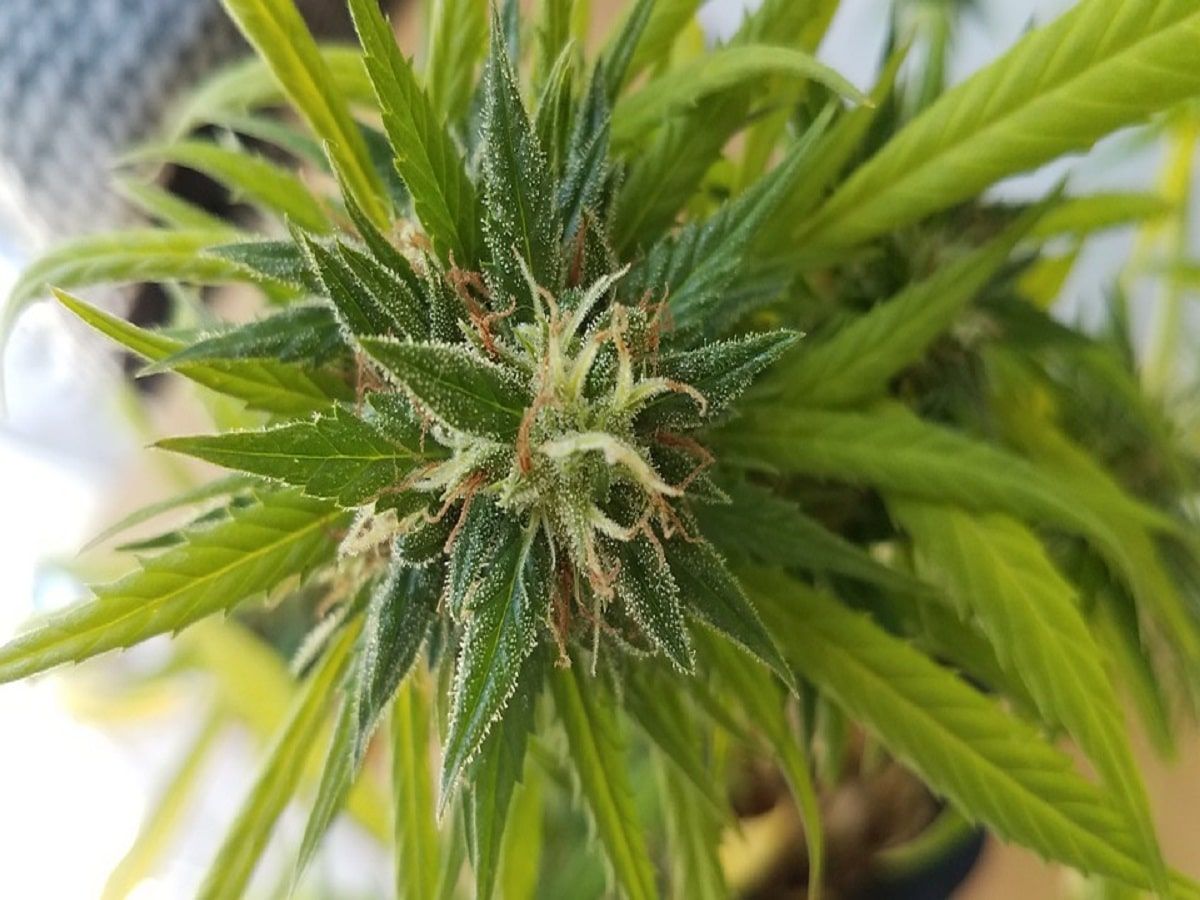
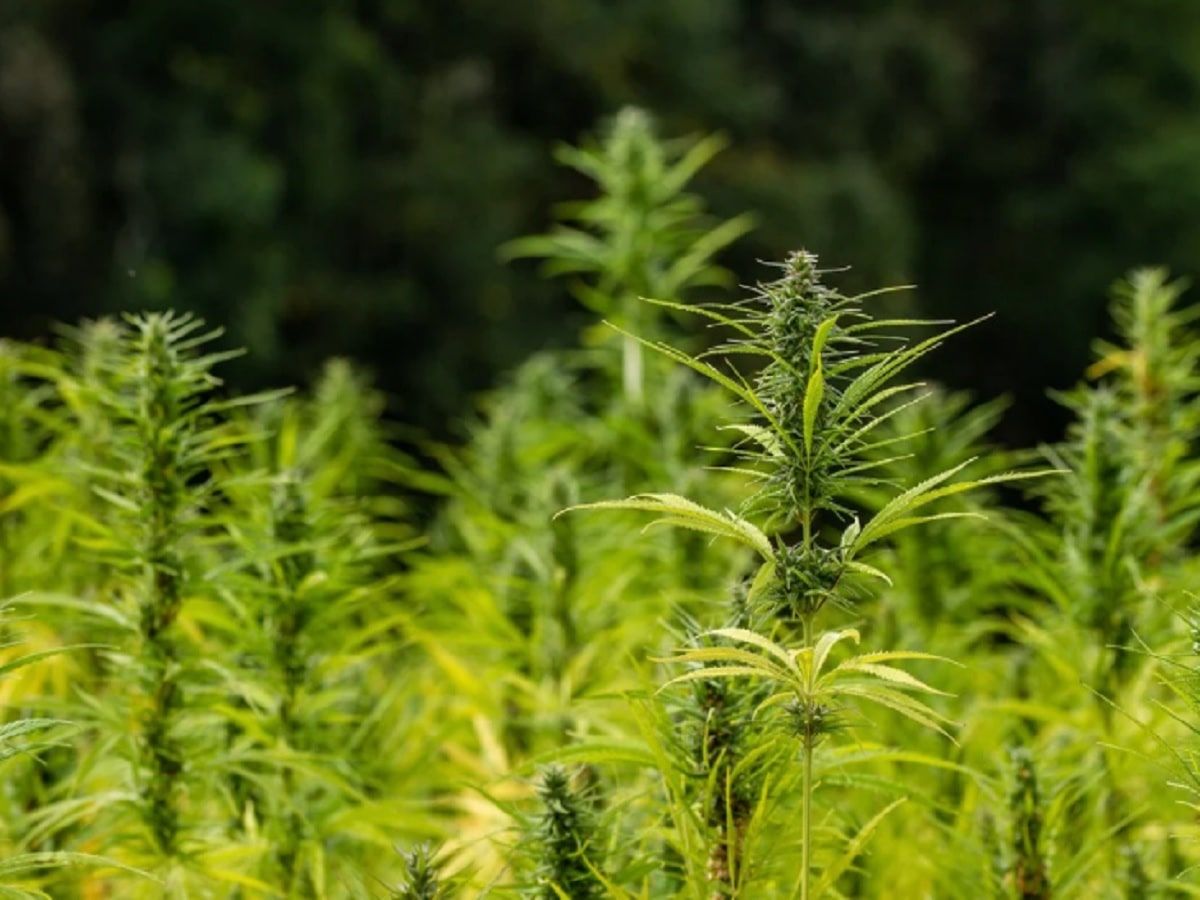
hemp plant cannabis flower bud garden outdoor

Thailand’s National Cannabis Cultivation Program Is Off To A Strong Start

On June 9th, just a little over a week ago, Thailand embarked on a new cannabis public policy journey when it implemented its new national cannabis laws, and with it, launched a nationwide program in which households can sign up to cultivate low-THC cannabis.

The new cultivation program is the first of its kind on the entire planet, and it has proven to be so popular that on the first day that people could sign up for the cultivation program the government app used to sign households up crashed. Apparently, the app received over 9 million applications on just the first day alone.

As of the morning of June 12th, just three days after the launch of Thailand’s cultivation program, over 650,000 households had already signed up and received notifications to cultivate cannabis. It’s a truly historic time in Thailand, and I reached out to Mr. Wisan Potprasat, President of the River Khwae Herbal Therapeutic Center, for his take on what is going on in Thailand.

Mr. Potprasat is the President of the River Khwae Herbal Therapeutic Center (RHTC), President of Community Enterprise Network of Western Herbal Alliances, and the CEO Cannabis Medical Industrial Estate Association of Thailand. Below is what he had to say:

For more than 88 years, the cultivation and consumption of cannabis in Thailand has been banned by law, although cannabis has played a very important role in traditional Thai medicine in the past.

Many specific cannabis strains seemed to have been lost and it was not possible to carry out research and studies on cannabis breeding over this long period of time.

In recent years, the Thai government has understood that cannabis does more good than harm and so they began to gradually adapt the laws. This opened the way for domestic farmers to create a new income opportunity. In addition, cannabis can be used again in traditional Thai medicine and as a basis for new medicines for the population. On July 9th, a new law came into force that allows the possession, cultivation and consumption of cannabis under certain conditions (THC content must be below 0,2%). Thailand is the first country in South-East Asia that does such a big step in its laws. This important milestone finally decriminalizes the handling of cannabis for private individuals. This will help establish a healthy relationship with the plant that has been cultivated for generations.

As soon as Thailand changed the law in 2018 and allowed to use cannabis for medical purposes, we at RHTC started rediscovering the ancient Thai cannabis strains and bringing them back to Thailand. Luckily, many varieties were rediscovered in neighboring countries, where they “survived” in private gardens for several decades. From the beginning it was important to us to build up a network with local farmers in order to rebuild the Thai cannabis industry together with them. We impart knowledge about the cultivation of cannabis and use modern technology to ensure sustainable cultivation with zero waste and pollution. The perfect climatic conditions in Thailand together with the irrepressible diligence and drive of our young growers ensure that we have now become the largest cannabis producer in Asia. The gradual opening up of laws by the Thai government has enabled us to re-cultivate the ancient cannabis strains of Thailand and it makes as very proud that in the meantime we can offer the best quality in the world.

In the future, of course, further steps and changes in the law will be necessary to further simplify the cultivation, processing and, in particular, trading of cannabis and its products. There are already wider draft laws on cannabis control being discussed in the Thai parliament. However, thanks to the Thai government’s constant and determined legal steps in the right direction, we have already achieved a major lead compared to the rest of the world.


Thailand

German Parliament

Germany Moving Forward With Legal Cannabis Sales Plan

Germany’s Health Ministry announced today that it will start holding hearings tomorrow to discuss various aspects of legalizing cannabis sales for adult-use nationwide. It’s a huge announcement and moves Germany one step closer to inevitably launching legal adult-use sales nationwide.

As of right now, only one country, Canada, allows legal adult-use sales nationwide to anyone of legal age. Uruguay also has legalized cannabis for adult use, however, sales are limited to the citizens of Uruguay. Malta has also passed a legalization measure, however, Malta’s current legalization model does not permit sales.

Global Economic Powerhouse

Germany is home to the fourth-largest economy on earth, and its population is more than twice the size of Canada. It appears that, at least for the time being, when Germany launches legal adult-use sales it will be a cannabis oasis of sorts, having a virtual adult-use sales monopoly on the continent.

With that in mind, Germany’s adult-use industry will be massive and unlike anything we have ever seen in the global cannabis community. The hearings that will start tomorrow will involve hundreds of representatives from various backgrounds, including representatives from the medical and legal fields.

What Will The Hearings Involve?

Much of what will be discussed will apparently revolve around quality control and limiting youth access to cannabis, and the current plan seems to involve a comprehensive evaluation four years after the launch of sales. In total, there will be five hearings and all of them are expected to be completed by the end of this month.

What is eventually discussed at the hearings will then be used to craft national rules, regulations, and laws that pertain to adult-use cannabis sales. The sales component is just one facet of Germany’s effort to legalize cannabis for adult use.

Leaders in Germany previously indicated that home cultivation would also be a part of an eventual legalization measure that will eventually be introduced, which is expected to happen as soon as this summer. The significance of legalization in Germany cannot be overstated. It will usher in a new era for the cannabis industry, in addition to encouraging every other country in Europe to end prohibition.

Germany

Thailand Flag

Thailand’s New Cannabis Policy Framework Is A Model For The World

Thailand has officially made a historic cannabis policy shift. As of today, every household in the entire country can sign up to legally cultivate low-THC cannabis plants. It’s the first time in the history of the world that such a public policy was implemented at a national level.

To make the public policy shift even more historic, Thailand isn’t just merely allowing people to cultivate low-THC cannabis. Rather, Thailand’s government is fully embracing the cannabis plant and the industry it creates.

Thailand’s Public Health Minister previously indicated that there will be no plant limit for the government’s cultivation program, so households can cultivate as much as they want to. As part of the rollout of the new law, Thailand is giving away over 1 million cannabis seeds directly to households that sign up to cultivate cannabis.

The government is even giving out low-interest loans to help aspiring cultivators get their operations started. Thailand also launched an app to help streamline the process of people signing up their households to cultivate cannabis. An FAQ public service announcement effort was launched to help people understand the law and cultivation program.

The Health Ministry has largely led the charge for cannabis reform in Thailand, however, it’s not the only government entity embracing the cannabis plant. As we previously reported, a broad spectrum of government agencies in Thailand previously entered into an agreement to do their part to push Thailand’s emerging cannabis industry forward.

Thailand is also working to help right the wrongs of prohibition’s past by releasing thousands of people serving time for cannabis offenses. Courts will also halt current prosecutions that fit within the parameters of the government’s new policy. Every affected defendant/prisoner, regardless of when the offense took place, will have their offenses removed from their records.

To really hammer home the point of how big of a shift Thailand’s new law is from a criminal justice standpoint, not only were charges dropped against a woman that was cultivating cannabis, the officers were punished for arresting her in the first place. All of it took place in the weeks leading up to the new law taking effect – not after the law took effect.

Thailand’s new cannabis policy model still has its limitations, not the least of which is the limit on THC for all cannabis plants and products. It’s tough to fully categorize Thailand as a legal country alongside Uruguay, Canada, and Malta. However, Thailand’s policy is definitely better than every other country that is still clinging to prohibition, especially in the region where Thailand is located.

Thailand is now in a category all of its own when it comes to cannabis policy. When the new policy inevitably succeeds and doomsday scenarios prove to be nothing more than fearmongering, hopefully it results in other countries adopting some or all of Thailand’s policies, and even better, improving upon them.

Thailand

cannabis plant bud flower

South Africa Supreme Court Reviews Cannabis Cultivation Club Case

South Africa’s Supreme Court is reviewing a case that could have significant implications for the future of the nation’s emerging cannabis industry. The case involves an entity that started a private cannabis cultivation club shortly after South Africa’s Supreme Court issued a landmark decision that determined cannabis prohibition as it pertains to people in private settings was unconstitutional. This latest case involving the private cannabis cultivation club may help firm up what exactly ‘private cannabis possession and use’ actually means.

Whenever a court issues a ruling, there are almost always questions left unanswered as well as the creation of new uncertainties. For instance, in South Africa’s landmark decision Deputy Chief Justice Raymond Zondo stated, “It will not be a criminal offence for an adult person to use or be in possession of cannabis in private for his or her personal consumption.” What does ‘private’ entail, and what is considered to be ‘possession’ and ‘personal consumption?’ This latest case before the South Africa Supreme Court gets to the heart of those questions.

Private Cannabis Cultivation Club Model

Someone being in possession of cannabis in a private setting for the purpose of consuming said cannabis may seem like a straightforward scenario to some people, however, there’s a lot of legal gray area involved. For starters, does ‘private’ only mean in a person’s home, or does that extend to all private property, including business properties? Does possession include cannabis plants that are growing, or does it only mean harvested cannabis and products derived from the harvest? Does this involve gifting and/or paying someone to help with acquiring cannabis in private settings to any degree?

All of those questions are being considered via the latest cannabis case being reviewed by South Africa’s Supreme Court. The Haze Club (THC) launched with a unique business model. It’s a private club that involves people signing up for a membership, the member provides cannabis seeds to THC, THC then cultivates the plant for the member in a dedicated, private space on THC property, and after the plants are harvested they are provided to the member.

Obviously, law enforcement seemed to feel that the model operated outside of the Court’s decision being that they raided it and applied charges to the club’s owner. The club owner is arguing that everything was conducted in private and that the Court’s decision provided for such private activity. Ultimately, the Supreme Court will sort it out.

Possibly A Moot Decision

In the midst of the latest cannabis court case in South Africa, lawmakers and regulators are working towards making the country a legal continental and international cannabis powerhouse. The country has a ‘Cannabis Master Plan’ that is geared towards embracing cannabis commerce both domestically as well as beyond the borders of South Africa.

Domestically, the plans include provisions for a regulated adult-use industry. Internationally, at least for the time being, South Africa’s efforts will focus on medical cannabis. Currently, only three countries have legalized cannabis for adult use via legislative action, and out of them, Canada is the only country that allows legal adult-use sales to anyone of legal age regardless of their residency status. With that in mind, it will still be a while before we see international adult-use commerce between multiple countries.

However, when legal adult-use commerce does officially launch at the international level, South Africa will presumably be well-positioned to hit the ground running. In the meantime, much of the effort in South Africa will be geared towards the domestic industry, and private cannabis clubs using THC’s business model could be fully legalized, licensed, and regulated. If that proves to be the case, any decision in the specific THC case could ultimately prove to be moot.

south africa

cannabis europa 2022

Attend Cannabis Europa In London June 28-29th

The emerging legal cannabis industry in Europe is at a critical juncture. After Malta became the first country to pass a national, no THC-limit adult-use legalization measure late last year several countries in the region are expected to follow in the near future.

Medical cannabis reform continues to spread across Europe, and with it, the expansion of the continent’s medical cannabis industry. The rise of adult-use legalization will obviously impact Europe’s medical cannabis industry, however, it’s still largely unknown to what extent that will be and how both sectors of the industry will operate alongside each other.

What is known is that the rest of this decade will no doubt prove to be the biggest decade in history when it comes to Europe’s emerging cannabis industry. The policies, rules, regulations, and other industry framework components that are created and implemented this decade will largely determine what the future of Europe’s cannabis industry looks like for decades to follow.

With that in mind, it’s more vital than ever for cannabis entrepreneurs, policymakers, and other leaders to network and learn from each other as much as possible. An amazing opportunity to do exactly that is coming to London on June 28-29, 2022 when Cannabis Europa’s flagship event comes to Old Billingsgate.

“We are ultimately trying to change society by bringing about acceptance and accessibility to cannabis in Europe.” stated Stephen Murphy, Co-Founder and CEO of Prohibition Partners at last year’s Cannabis Europe event. It’s a mission that remains true for this year’s event as well.

The venue for the event, Old Billingsgate, encompasses three versatile spaces and a beautiful terrace with unrivaled views of Tower Bridge, City Hall, The Shard, and London Bridge. The event’s two-day agenda covers a range of topics. Below is a sampling of the event’s speakers. For a full list click on this link:

  • Benedikt Sons – Co-founder, managing director, and CEO of Cansativa Group
  • Kristine Lütke MdB – Member of the Free Democratic Party
  • Dr Carl Hart – Professor of Psychology at Columbia University
  • CJ Wallace – Founder of Think Big
  • Hannah – Co-Founder and Non-Executive Director of Medcan Support
  • Dr Kojo Koram – Lecturer in Law at Birkbeck School of Law, University of London

The Cannabis Europa event taking place in London later this month will also include an expo floor featuring dozens of cannabis companies. The expo floor is a great way to network with exhibitors and attendees, as well as to learn about the latest products and services in the cannabis space.

Cannabis Europa will also offer a digital networking platform that will enhance the conference experience and help attendees get the most out of the two-day event. Features include viewing the attendee list, exploring partners’ virtual exhibition booths, learning and conversing via virtual ‘discussion rooms’, and much more. You can find more information about Cannabis Europa, including how to register for the event, at: www.cannabis-europa.com

cannabis europa

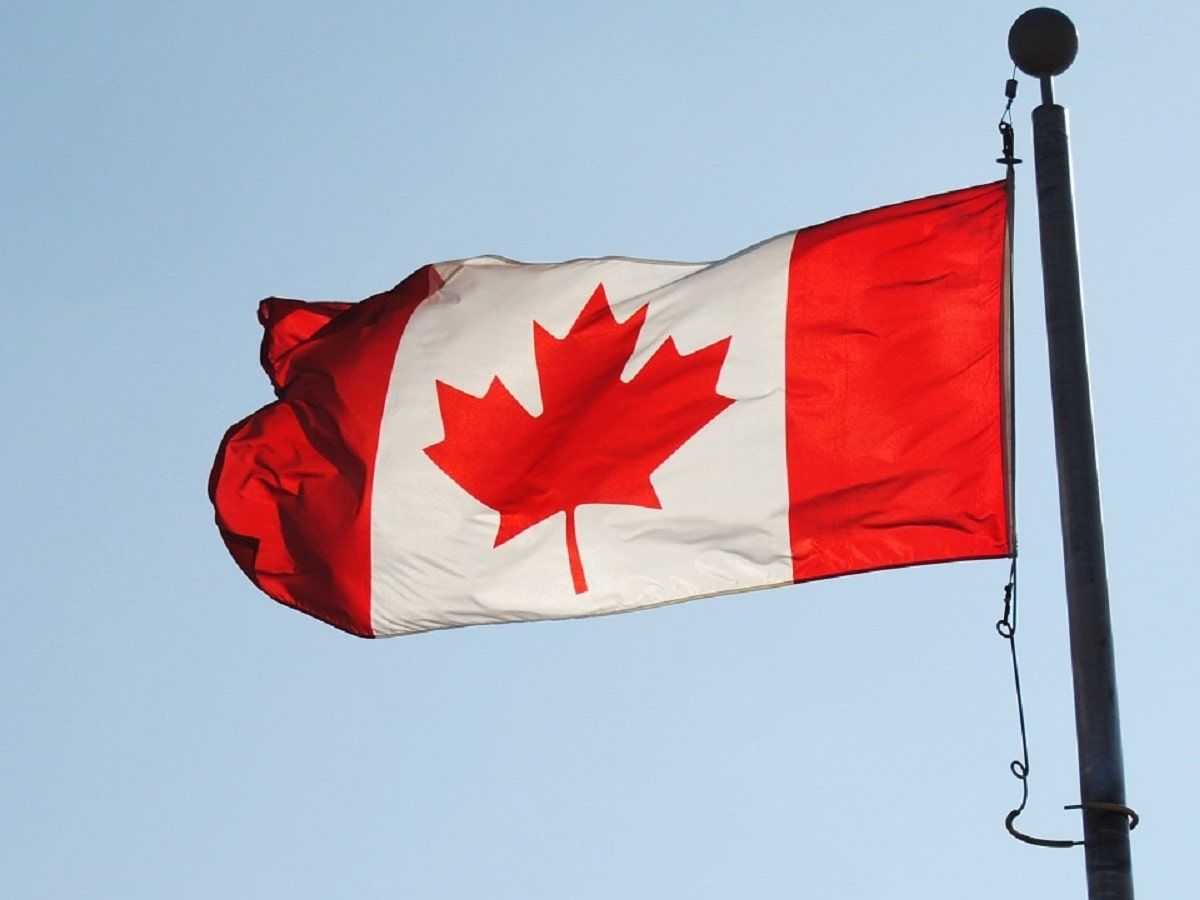
canada flag

Taxes And Provincial Mark-Ups Are Hindering Ontario’s Cannabis Industry

The main motivation behind legalizing cannabis for adult and/or medical use should always be based on it simply being the right thing to do. No one should ever be penalized for using/possessing a plant that is 114 times safer than alcohol.

With that being said, the reality of the situation is that creating a regulated industry for the purpose of generating public revenue is a driving force behind support for legalization around the globe for better or worse.

Taking the profit away from criminal enterprises and essentially re-routing it to a regulated system in which some profits benefit society is a winning political message, and if actually achieved, a great thing. However, it’s predicated on people actually making purchases from regulated sources rather than unregulated ones, and the transition is far from automatic.

Surveys and polls have consistently found that cost is a major factor for consumers and patients, which is not exactly shocking because that is basically true of any product. But unlike most products, there are a lot of unregulated options when it comes to cannabis, and in most cases, unregulated cannabis is significantly cheaper than regulated cannabis.

Various reports have been published regarding the average price for regulated and unregulated cannabis in Ontario and other parts of Canada, and while the price for regulated cannabis seems to be pretty consistent being that it can be easily tracked, the price for unregulated cannabis often seems to be inflated in my opinion.

I spend an ungodly amount of time online talking to consumers all over the world, and I have yet to find someone in Ontario that pays the prices for unregulated cannabis that are being reported for what that is worth.

It’s a safe assumption that for every extra dollar that gets added to the price of regulated cannabis a certain chunk of the consumer base then gets lost to the unregulated market. With that in mind, the fact that roughly half of the price of regulated cannabis products in Ontario is due to taxes and provincial mark-ups is obviously a problem and will always hinder the legal industry.

This is not to say that there should be no government profit at all. Regulatory oversight is not free, so there needs to be enough money to safely administer sensible industry regulations, and to some extent, put cannabis industry revenues to work helping society in various ways.

However, there needs to be a balance struck to help ensure that regulated cannabis is truly competitive with unregulated cannabis. Regulated cannabis will never be as cheap to produce as unregulated cannabis, but it needs to be close enough that consumers feel comfortable paying a little extra for a product that they know is tested and safe.

Canada, ontario

prison jail

Thailand To Release All Cannabis Prisoners

In just a matter of days, Thailand will implement a very unique and bold approach to cannabis policy. On June 9th a new law goes into effect that will, among other things, legalize home cultivation for every household in the nation.

Thailand will launch a registration program in which households can sign up to cultivate low-THC cannabis and make use of harvests in various ways, including eventually selling it to the government.

To assist in helping households participate, the government is offering extremely low-interest loans to aspiring cultivators and distributing over one million cannabis seeds to households across the country.

Additionally, as announced this week, Thailand will also be releasing thousands of people currently serving time for cannabis offenses. Per Bangkok Post:

Ongoing trials and detention in connection with cannabis-related offences will be cancelled once revised restrictions take effect on Thursday, according to the Office of the Judiciary.

The production, import, export, distribution, consumption and possession of cannabis — except for its psychoactive substances — will be formally legalised on June 9 when a Ministry of Public Health announcement published in the Royal Gazette on Feb 9 takes effect, said Sorawit Limparangsri, a spokesman for the Office.

Cannabis-related offences that resulted in court cases and detention prior to June 9 will be cancelled, with any bond payments to be returned. People incarcerated in related trials serving jail time due to an inability to pay fines will also be released, according to the agency.

In addition to people being freed from prison and current prosecutions being abandoned, people previously convicted of some cannabis offenses will have those prosecutions removed from their records.

People awaiting trial will still have to show up to court as a procedural requirement, however, it’s only so that a judicial review can be performed to ensure that the case is eligible for dismissal.

It’s worth noting that not every case involving cannabis will be eligible for release, dismissal, and/or expungement. Some cases that involve cannabis also involve other offenses, so obviously in those instances, the case will remain in the criminal justice system. The same is true for cannabis cases that are beyond the parameters permitted by the new cannabis law.

Still, it’s estimated that over 4,000 cannabis prisoners will be released next week in Thailand, and that doesn’t seem to include pending cases, expungements for people that already served their sentences, and the prevention of future cases. It’s a significant move by Thailand, and hopefully other countries will work to do the same.

Thailand

uruguay flag

Why Uruguay’s President Is Wrong About Cannabis

Late last week the President of Uruguay, Luis Lacaille Pou, reportedly stated that it was a mistake for Uruguay to have passed an adult-use legalization measure back in 2013, and subsequently, launched legal adult-use sales four years later. Both moves by Uruguay were the first of their kind by any country on earth since the start of global cannabis prohibition. It’s worth noting that Uruguay’s current President was elected in 2020, well after the country legalized cannabis for adult use.

As expected, cannabis opponents are pointing to the President of Uruguay’s statements as loudly and as often as possible. They are touting it as some type of ‘proof’ that adult-use cannabis legalization does not work, and that the first country to ever legalize cannabis for adult use has buyer’s remorse. According to the President, the government should not be part of the process of growing or selling “drugs” because he considers legal cannabis to be “unprofitable.”

Why Did Uruguay Legalize Cannabis?

When Uruguay passed its national cannabis legalization measure, the public policy shift had three main objectives, two of which were specified in the law itself:

  • Reducing cartel-related violence by moving cannabis into a regulated market
  • Promoting public health through education and prevention
  • Eliminating the catch-22 of allowing possession but effectively blocking consumers from accessing cannabis

Contrary to the spin-doctoring that Uruguay’s President seems to be currently engaging in, the goal of Uruguay’s historic cannabis policy shift was never to maximize profits. Prohibition is a failed public policy, and a regulated model will always be a better approach to cannabis policy.

Drug cartels have caused an enormous amount of misery and suffering in Uruguay and throughout the region. Cannabis is obviously only one of the many facets of a drug cartel’s operations, however, giving consumers a regulated option to legally acquire cannabis hurts cartels’ bottom line to some extent, and from that perspective, legalization is clearly working.

Improve The Legalization Model

Legalizing cannabis purely for monetary gain is not a solid reason for such a public policy change. People should support cannabis legalization because it is the right thing to do being that cannabis prohibition literally ruins lives. No one should ever be subjected to the criminal justice system due to possessing, cultivating, and/or buying a personal amount of cannabis.

With that being said, if Uruguay’s President is truly concerned about the profitability of the nation’s emerging cannabis industry, then he should seek to improve it rather than destroy it. The first thing that the President should seek to do is open up the nation’s cannabis system to tourists. Unlike Canada, Uruguay only allows sales through pharmacies and private clubs, and those sales are only open to residents. That is obviously going to limit the size of Uruguay’s potential customer base and hinder industry profits.

One thing that the President seemed to disregard in his statements is the cost savings to Uruguay by the country no longer enforcing failed public policy. Enforcing cannabis prohibition is expensive. It costs money to pay law enforcement to identify and investigate unregulated cannabis activity. It costs money to then prosecute cases through Uruguay’s court system. Incarcerating people also costs money. When Uruguay stopped enforcing prohibition, it yielded obvious cost savings for the government. Legalization is working in Uruguay, whether the country’s President wants to admit it or not.

uruguay

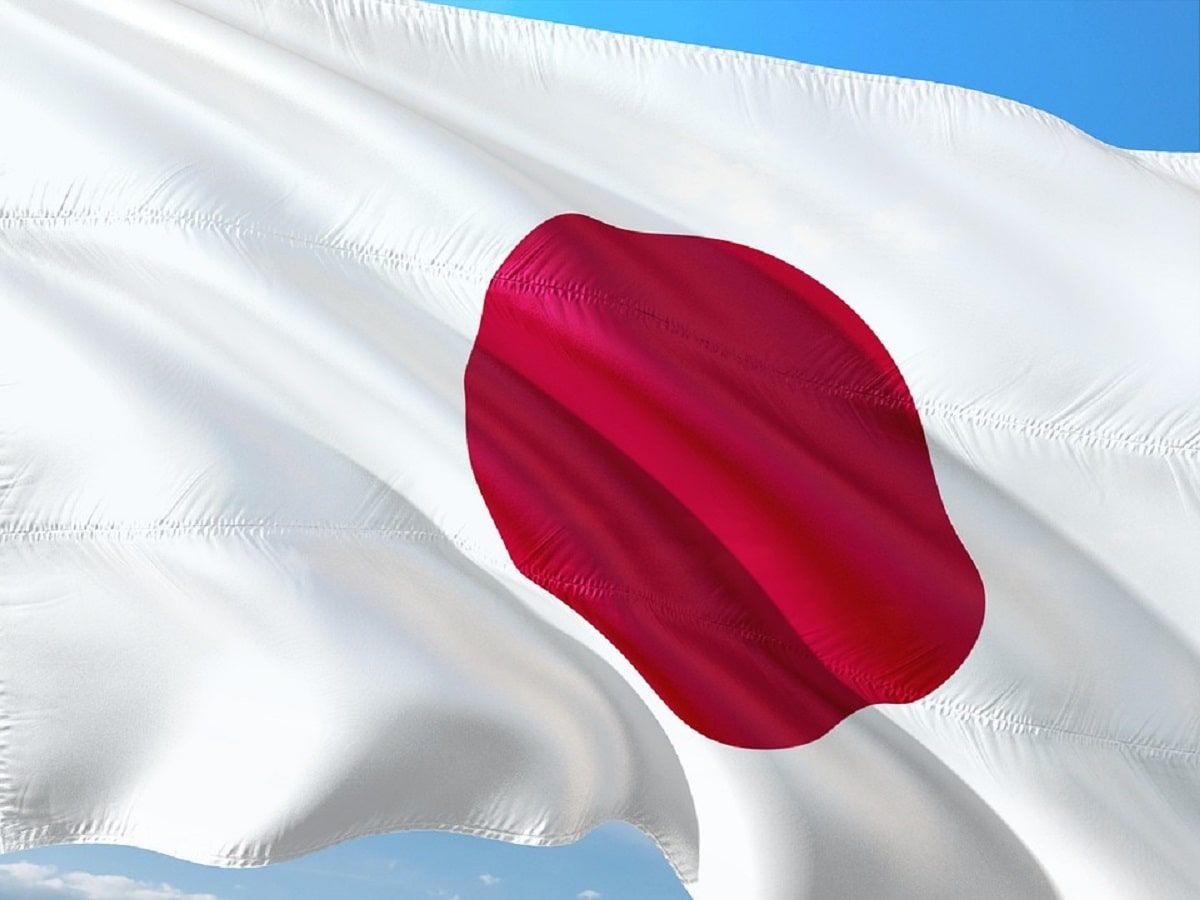
japan flag

Japan Considers Very Limited Medical Cannabis Reform

Japan’s Health Ministry is considering reforming the nation’s cannabis laws to provide for the legal use of medical cannabis. A panel comprised of Japan Health Ministry experts met last week to continue discussions regarding revisions to Japan’s 1948 Cannabis Control Law. It’s the latest step in what will likely be a very lengthy process to explore legalizing medical cannabis in Japan.

What is being proposed in Japan, if enacted, would only legalize medical cannabis in very limited forms and situations. Only cannabidiol (CBD) would be legalized, whereas tetrahydrocannabinol (THC) would remain prohibited. Even the limited CBD reforms that are being proposed in Japan are being met with some skepticism among health experts in the country for whatever reason.

June 2021 Report

The discussions currently underway in Japan are the result of a report that was released nearly a year ago in June 2021. The report, which was compiled by Japan’s Health Ministry, recommended that CBD be allowed to treat refractory epilepsy. CBD has been found to effectively treat refractory epilepsy, and it is commonly prescribed to help treat the condition in a growing list of countries.

Japan’s current cannabis laws are largely built on the concept of banning parts of the cannabis plant, versus focusing on cannabinoids and limits of cannabinoid content. Banning parts of the cannabis plant seems to be a common concept in the region when it comes to cannabis policy, whereas in Western countries hemp, which is what CBD is largely sourced from, has a THC percentage limit for both harvests and finished products.

Unfortunately, the ministry panel is also recommending that a new law be created that would harshly punish people for simply using cannabis for non-medical purposes, which is a particularly harsh policy. It’s unclear how such a cannabis policy would be enforced, however, it’s a safe assumption that people suspected of having cannabis in their system would likely be automatically tested, which would be a massive invasion of privacy and is a policy that is ripe for selective enforcement.

Why Is Japan So Scared Of Cannabis?

People all over the planet, including in Japan, have used the cannabis plant for medical and/or recreational purposes for centuries. By historical standards, the cannabis plant was only prohibited recently, and even then, the enactment of prohibition was based on harmful political ideology and not on sound science.

Cannabis prohibition is one of the most harmful public policies on earth, and that is particularly true in Japan where cannabis prohibition is being used to ruin many lives. Over the course of the last 8 years, the number of people being arrested for cannabis in Japan has increased, even though cannabis arrests have decreased in many other countries during the same time period. The rise in cannabis arrests culminated in a record being set in 2021, with a reported 5,482 people being arrested for cannabis offenses in Japan during the last full calendar year. Roughly 70 percent of the arrests involved suspects that were teenagers or in their 20s.

The rise in arrests is an indication of heightened cannabis prohibition enforcement by Japan in recent years, although Japan’s government is portraying the rise of arrests as being the result of increased consumption rates. In reality, Japan has one of the lowest cannabis consumption rates on the planet. Consider the fact that only 1.8% of people in Japan report having consumed cannabis during their entire life. Japan doesn’t have a cannabis use problem. It has a cannabis prohibition problem, and that problem will only get worse if Japan enacts a new anti-cannabis consumption law.

japan

Cannabis Normal! Conference

Attend The Cannabis Normal! Conference In Berlin Next Month

Germany will never become the first country to legalize cannabis for adult use. That designation will forever go to Uruguay. However, legalization in Germany will ultimately prove to be the biggest cannabis prohibition domino to fall when historians look back on the global cannabis reform movement years from now.

Legalization in Germany is going to usher in a new era for cannabis in Europe and the rest of the planet. Germany’s economy is larger than any other economy on earth with the exception of the United States, China, and Japan. The United States is not nearly as close as Germany when it comes to implementing legalization, and China and Japan remain two of the worst places on earth for cannabis policy.

With news recently surfacing that adult-use legalization will be sped up in Germany according to the nation’s Health Minister, and potential budgetary ramifications if that doesn’t happen, reform is closer than ever. When legalization inevitably happens in Germany, it will be truly historic and will speed up reform efforts everywhere else around the globe.

It is extremely important for cannabis advocates and members of the industry to recognize the efforts of those that have helped bring cannabis reform efforts to this point in Germany, and no organization deserves more recognition than the German Cannabis Association.

The German Cannabis Association (DHV) is a professional cannabis advocacy group led by private legalization activists. Their tireless efforts over the course of many years have made a tremendous impact in Germany and have directly contributed to Germany’s current reform momentum.

DHV was originally founded in May 2002, and per its website, DHV “does not serve personal enrichment, but to make progress in hemp politics.” As DHV also points out on its website, it serves as “a counterbalance to corporate interests and fundamentally opposing forces, such as the police unions.” The DHV team does outstanding work, is extremely knowledgeable, and they are on the frontlines of cannabis reform efforts in Germany on a daily basis.

The German Cannabis Association (DHV) is organizing the third edition of the Cannabis Normal! Conference from June 17th to 19th, 2022 in the Alte Münze in Berlin. The conference’s program will largely involve exploring and discussing the intimate details of the upcoming cannabis legalization measure that is expected to be unveiled in Germany as early as this summer.

In addition to discussing the nuanced details of cannabis policy reform in Germany, hemp will also be a major topic at the event with discussions led by well-known guests from science and politics including drug policy spokesman Carmen Wegge (SPD), Dr. Kirsten Kappert-Gonther (Greens), Kristina Lütke (FDP) and Ates Gürpinar (Left).

It is vital that consumers have a voice in the legalization process in Germany, and fortunately, DHV has developed eleven sessions to cover every important facet of what Germany’s cannabis legalization model should include. It’s a great way to get educated about German legalization efforts and what to expect in the coming months. The information presented will be extremely timely, with upcoming hearings in the Bundestag expected to begin in the near future.

Below are sessions taking place at the upcoming Cannabis Normal! Conference:

More information about the schedule and program of the Cannabis Normal! Go to: cannabisnormal.de

For press inquiries and accreditations please contact Simon.Kraushaar@hanfverband.de

berlin, Cannabis Normal, german cannabis association, Germany

Canadian currency money

Researchers Identify Two Main Motivating Factors Behind Unregulated Cannabis Purchases

Legal cannabis is spreading across the planet, and with it, purchasing freedoms for some consumers. Yet, the unregulated market still exists even where cannabis can be purchased legally. Researchers at the University of Waterloo in Ontario recently examined the factors that motivate a consumer or patient to purchase unregulated cannabis versus regulated cannabis in North America in an attempt to understand why the unregulated market still exists in Canada despite legalization, and to a lesser extent, the United States.

By human history standards, cannabis prohibition is a relatively new thing. After all, cannabis is not a new plant and humans have used it for medical and recreational purposes for centuries. It wasn’t until the last century that political forces prohibited it. Fortunately, three countries have now legalized cannabis for adult use – Uruguay, Canada, and Malta. Cannabis can be legally acquired in some form in Uruguay and Canada, and soon, Malta.

Out of the three countries, Canada has the most robust industry model. Cannabis consumers of legal age from anywhere around the planet can come to Canada and make a legal purchase through a storefront dispensary, through the mail, and/or through delivery services. Similar options have existed in the U.S. at the state level for many years. Researchers have kept a close eye on North America as the ‘cannabis experiment’ has continued to roll out, including researchers at the University of Waterloo in Ontario.

Motivating Factors

The average cannabis consumer is more sophisticated now than arguably any other time in human history, and that is largely due to the options available to them, particularly in Canada. Some consumers want to smoke cannabis flower, some want to vaporize it, and still, many others prefer smokeless forms of cannabis such as edibles and topicals.

Regulated industries boost the options for patients and consumers. I live in a legal jurisdiction, and the different types of cannabis products and consumption methods are exponentially greater now compared to when there was no regulated market With that being said, the unregulated market still exists where I live, albeit at a much lower level than before legalization.

Researchers at the University of Waterloo in Ontario looked at consumer data from 2019 and 2020. The data was compiled as part of the annual International Cannabis Policy Study. Survey data asked consumers about their purchasing habits over the past 12 months, and when they indicated that they purchased cannabis from an unregulated source they were provided a list of reasons to select from regarding what motivated the unregulated purchase.

“‘Legal sources had higher prices’ was the number-one answer in Canada in both years (35.9% in 2019, 34.6% in 2020) as well as in the United States (27.3% in 2019, 26.7% in 2020). Convenience (both ‘legal sources were less convenient’ and ‘legal stores were too far away/there are none where I live’) was high on the list as well, with the percentage of respondents who named these as reasons ranging from 10.6% to 19.8%.” researchers stated in their press release.

Sensible Regulations To Help Boost Legal Sales

On average, the cost of legal cannabis will always be greater than unregulated cannabis. A legal cannabis company has to pay ongoing licensing and compliance fees, rent on their commercial facilities, and a number of other operational costs that do not exist in the unregulated market. All of those added layers contribute to the overall cost of legal cannabis.

Speaking anecdotally, I am willing to pay extra for legal cannabis being that it is tested and regulated. However, there is a point to how much more I am willing to pay, and I assume many consumers are the same as me in that regard. Paying 10% more is reasonable, however, if legal cannabis costs 2-4 times as much as unregulated cannabis, clearly many people will choose to go the unregulated route.

The second motivating factor identified by the researchers, convenience, is much easier to address from a public policy standpoint. Boosting the ways in which consumers and patients can legally acquire cannabis helps a considerable amount. Conversely, the fewer ways people can legally acquire cannabis the more it creates opportunities for unregulated sources to fill the void and meet the demand. Jurisdictions that choose to cling to prohibition or hinder safe access do so at their own peril.

Lawmakers around the world need to do everything that they can to strike the right balance between regulating cannabis, generating public revenue, and implementing sensible regulations that help keep the cost of legal cannabis down as much as reasonably possible. Everyone needs to temper their expectations when it comes to getting rid of the unregulated market. Just as there will always be a market for unregulated alcohol, so too will there always be an unregulated market for cannabis, at least to some degree.

Canada, united states

cbd hemp business fair

CBD Hemp Business Fair Is Coming To Spain

Cannabidiol (CBD) currently has the designation of being the most popular cannabinoid on earth. As proof of that claim, consider the fact that CBD is searched more often on Google than any other cannabinoid, including tetrahydrocannabinol (THC), and that’s been the case since December 2016.

In addition to being queried more often on the world’s most popular online search engine than its cannabinoid counterparts, hemp-derived CBD is legal in far more regions of the planet compared to THC. It is estimated that the global CBD market was worth nearly 5 billion USD in 2021 and that it could be worth as much as 47 billion USD by 2028. That figure doesn’t include the global market for industrial hemp, which is set to experience a 33%+ compounded annual growth rate through 2030 according to at least one estimate.

You will be hardpressed to find an industry that is already worth billions of dollars and yet is still set to experience the level of exponential growth that the global CBD and industrial hemp industry will experience in the coming years. There is literally no better time to get into the CBD industry than right now, and a great way to do exactly that is to attend the upcoming CBD Hemp Business Fair in Barcelona on October 7-9, 2022.

Spannabis, the world’s largest cannabis trade show with more than 20 years of experience, is launching this amazing new event focused on CBD and industrial hemp. The fair is expected to have more than 100 brands present on a 12,000 square meter expo floor. Over 1,500 industry professionals and 15,000 visitors are expected to be in attendance over the course of the 3-day event.

CBD Hemp Business Fair will feature an event networking app that helps facilitate collaborations between exhibitors and event attendees before and during the event. The app is a very useful tool to promote companies, make appointments, and discover new potential clients.

The event’s showroom will feature demonstrations, presentations, and entertainment including cooking demonstrations and live music. The event will also include an outdoor food truck area, the CBD Champions Cup, and the CBD and Hemp Awards. If you want to get into the emerging CBD and hemp industry, or just want to learn more about its products and services, you do not want to miss this event!

barcelona, cbd hemp business fair, Spain

International Cannabis Business Conference

NEWS FROM AROUND THE GLOBE

BROUGHT TO YOU BY THE ICBC

© International Cannabis Chronicle. All rights reserved. Site developed and hosted by Rogue Web Works.