NEWS FROM AROUND THE GLOBE BROUGHT TO YOU BY THE ICBC

Author: Johnny Green

Johnny Green is a cannabis activist and prolific author from Oregon. Green was the High Times Freedom Fighter of the Month in May 2017 and appeared in the Netflix cannabis documentary 'Grass is Greener.'
luxembourg flag

Will Luxembourg Beat Germany To Adult-Use Legalization?

Luxembourg’s Minister of Justice Sam Tanson announced in the Chamber of Deputies this week that a draft cannabis legalization bill is on its way, with the Council of Government expected to get its first look at the draft next month.

Even though the draft bill has yet to be introduced, some components of it were made public along with the announcement that the draft bill was looming.

The measure, which if approved would serve as the foundation of Luxembourg’s legalization model, is largely based on citizens’ right to home cultivation, although it seems to be unclear what the plant limit would be.

Furthermore, possession of 3 grams of cannabis or less would no longer result in a criminal penalty, and according to the previously cited local media coverage, ‘fines will be decreased.’ Is it really legalization if there is any fine, no matter how large or small the fine might be?

Delays In Luxembourg

For a time, it appeared that Luxembourg would become the first country in Europe to pass an adult-use legalization measure. However, that designation was ceded to Malta late last year when lawmakers there approved an adult-use legalization bill.

Unlike the only two countries where cannabis is currently legal for adult use (Uruguay and Canada) Malta’s legalization model does not include provisions for legal purchases through storefronts, pharmacies, delivery services, etc.

Rather, Malta’s legalization model is largely non-commercial, relying on private cannabis clubs and home cultivation by which consumers can acquire cannabis.

What Luxembourg’s final legalization model will look like is something that we will all have to wait for. However, if the details that are floating around right now ultimately prove to be the basis of the country’s legalization model, legalization in Luxembourg will prove to be less significant than if the country implemented a legalization model that is more in line with what is being pursued in Germany.

Legalization Effort’s Current Status In Germany

Germany recently announced that it would be speeding up its own timeline for legalization to as early as this summer, and the Bundestag’s budget committee recently issued an ultimatum to the nation’s Health Ministry to submit a passable recreational cannabis bill by the end of the summer or face budgetary consequences.

For a time it seemed unclear whether legalization in Germany would entail home cultivation, however, members of Germany’s current coalition government have indicated in recent weeks that home cultivation is a necessary component of a viable legalization measure.

Whether Luxembourg beats Germany to adult-use legalization or not is largely moot in many ways being that legalization in Germany appears to be just as imminent as in Luxembourg, both countries are expected to legalize home cultivation, and Germany’s legalization model will likely prove to be far more robust compared to Luxembourg’s.

All of that, of course, doesn’t even touch on the potential market size difference between the two nations. Luxembourg has a population of roughly 632,000 people. Germany has a population of roughly 83 million people. Germany also experiences over 10 times the level of tourism that Luxembourg does.

Even if Luxembourg allowed legal sales, which it doesn’t appear that it will, the country’s industry would pale in comparison to Germany’s.
Germany, luxembourg

cannabis seeds

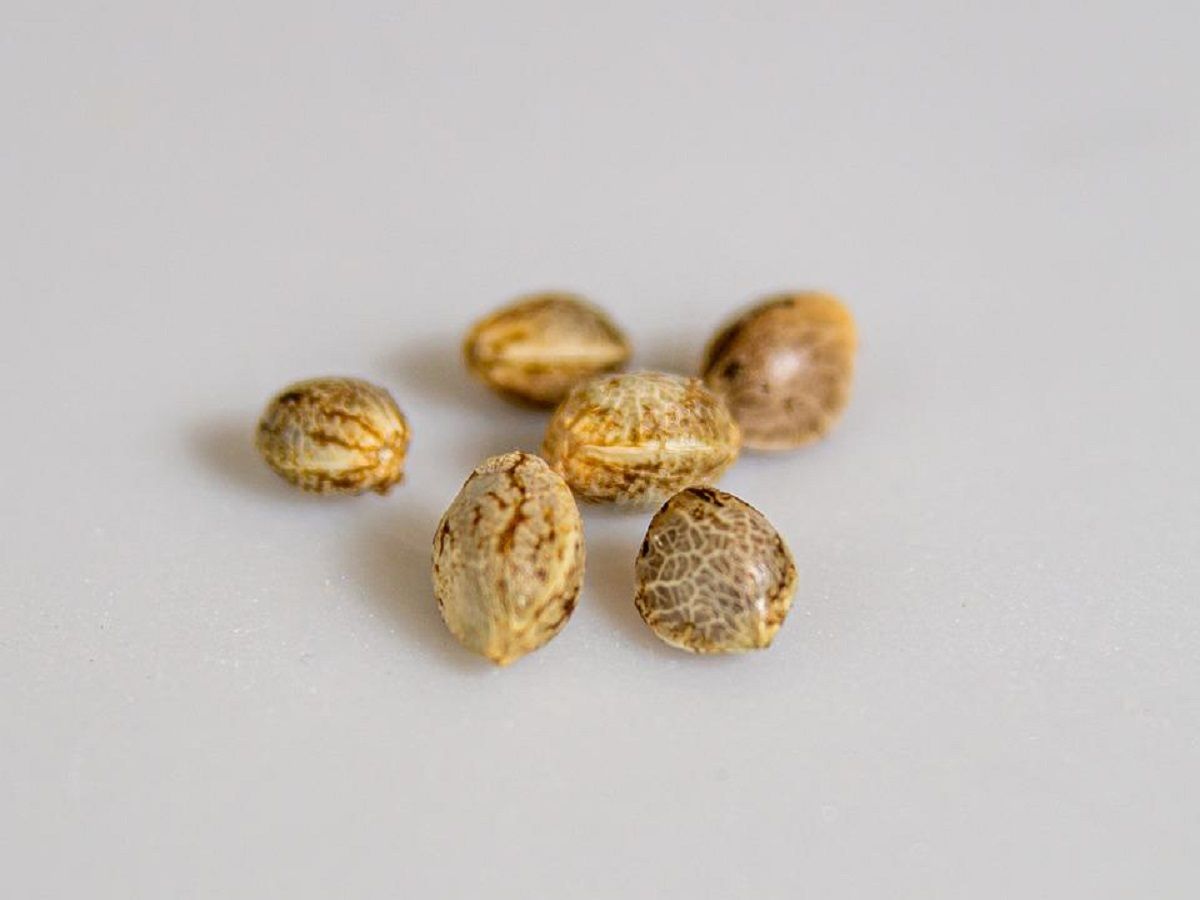
Israeli Medical Cannabis Seeds Legally Shipped To U.S. In Historic First

In a historic first, medical cannabis seeds were legally exported this week from Israel to the United States according to Israel’s Agriculture Ministry. Last August Israel’s government reformed cannabis export laws to permit the legal export of medical cannabis seeds, with this week’s shipment to the United States serving as the culmination of many months of effort.

For many decades Israel has served as an international leader when it comes to medical cannabis research. After all, Israel is the home of famed chemist Raphael Mechoulam who is credited with being the first to isolate both CBD and THC back in 1963 and 1964 respectively. From the 1960s until fairly recently, Israel was one of the very few countries that even permitted large-scale cannabis research, let alone embraced it.

Heavily-Researched Cannabis Genetics

It’s not a leap to assume that Israel is sitting on some amazing cannabis genetics given the amount of research its scientists have conducted over so many years. What type of strain(s) were involved in Israel’s first legal cannabis seed exportation is unclear. Who will be on the receiving end of the shipment is also unclear. All that was referenced in the Israeli government’s announcement on that front was, “Upon arrival, the seeds will be examined by commercial hemp growers to verify their suitability for the US market.”

The specific seeds at the heart of this story sent from Israel to the United States originated from the BetterSeeds company. Per the BetterSeeds company’s website, “BetterSeeds makes use of genome editing technology (CRISPR-Cas9) in order to produce new varieties, incorporating game changing traits which are not today available across all crops due to the limitations of conventional breeding. Genome editing technologies make precise and rapid breeding possible by introducing specific, controlled and preselected changes in the plant genome.”

BetterSeeds produces more than just cannabis seeds and appears to produce seeds for nearly every type of major crop imaginable. I know that when I read ‘genome editing technologies’ it gave me a bit of heartburn, and I know that I am likely not alone in feeling that way.  However, the seeds that were sent to the United States are proprietary in nature, so we may never know for sure what they are and/or how they may have been altered in some manner.

A Small, Significant Milestone

This first-ever legal shipment of cannabis seeds from Israel out to the international community is worth keeping in context. It is essentially a test run to help ensure that the shipment can be performed and completed in a way that complies with regulations in both Israel and the United States, as well as within evolving international cannabis policy (at least to some degree).

“The shipment is an experimental and initial shipment, after which contacts will be made regarding the continued export. This is a historic step as part of the implementation of Government Resolution No. 4490, which was updated last August to include the export of medical cannabis seeds from Israel, and could lead to the opening of additional international markets for Israeli exports and significantly advance the medical cannabis industry in Israel.” the Ministry stated in its press release.

“The opening of seed exports in the field of cannabis is expected to strengthen Israel’s position as having knowledge and expertise in the field of seeds. In addition, increasing the range of exports and expanding it to cannabis products, will enable the deepening of existing markets and penetration into new markets while riding on the growing wave of demand for cannabis products with medical-health value. Moreover, Israel is among the leading countries in seed research and development in general as well as medical cannabis in particular, and cannabis seed exports are expected to attract interest from various researchers around the world and further strengthen the field of research.” the Ministry also stated in its press release.

Obviously, this is not the first time that cannabis seeds have been shipped from one part of the world to another. It’s quite likely, if not guaranteed, that seeds from Israel have specifically made it from Israel to the United States in the past, albeit illegally. Still, this is a big milestone for a country that is sitting on a wealth of knowledge, experience, and other valuable assets, including genetics. Hopefully it leads to a much larger global involvement for Israel within the emerging international cannabis industry.

israel

bermuda ocean

UK-Appointed Governor Prevents Cannabis Reform In Bermuda

In a move that was widely expected to happen the Governor of Bermuda, who is appointed by the United Kingdom, effectively vetoed a cannabis reform measure passed by Bermuda lawmakers.

While the decision to ‘reserve assent’ by the Governor was expected, it’s no less defeating for cannabis advocates in Bermuda and elsewhere around the world.

When public officials do not want to respect the will of the people and proceed to stand in the way of cannabis reform they seem to be increasingly pointing to international treaties as ‘justification’ to not allow reform to proceed, which is exactly what happened in Bermuda. Per Bernews:

“In terms of cannabis reform, the key international obligations are set out in United Nations Conventions [the 1961 Single Convention on Narcotic Drugs, and the 1971 Convention on Psychotropic Substances]. The Conventions permit legalisation of cannabis and cannabis products for medicinal and scientific purposes, and for certain industrial purposes, as long as appropriate regulatory oversight is put in place.

“The legalisation of cannabis for other purposes is not permitted under the Conventions. It is possible to decriminalise the possession of limited amounts of cannabis for personal use, but that is not the same as making cannabis legal, for example, for sale in shops and cafes.

“The Bill presented to me legalises cannabis for other purposes. So, it appears to me that the Bill is inconsistent with what I understand to be obligations that the UK and Bermuda have under the Conventions and assenting to the Bill would lead to a breach of those obligations.

“I therefore have no choice but to reserve Assent of the Bill under Section 35 [2] of Constitution and to notify the Secretary of State for Foreign, Commonwealth and Development Affairs.

It is worth noting that Canada signed on to the 1961 Single Convention on Narcotic Drugs that the Governor references. Canada also was represented at the 1971 convention that the Governor mentioned. Canada also allows the legal sales of cannabis ‘in shops’, all of which the Governor of Bermuda seems to not know about apparently (I am being sarcastic, of course).

The move by the Governor was pure reefer madness. Uruguay sells cannabis in pharmacies and at clubs, Canada sells cannabis in just about every way imaginable, and Malta will soon permit sales via private clubs as well.

If lawmakers in Bermuda want to launch a robust, legal cannabis industry then they should be allowed to do so. For the United Kingdom to stand in the way is ridiculous and a prime example of the lingering, negative effects of colonization.

bermuda

international cannabis business conference

Pitch Your Cannabis Company At The Berlin Global Investment Forum

When it comes to succeeding in the emerging cannabis industry, especially at the international level, timing is extremely important. It can literally mean the difference between your cannabis endeavors succeeding and you reaping the benefits for years to come, or your pursuits fizzling and you never truly achieving your cannabis industry dreams.

You can have the greatest cannabis idea of all time, however, unless you have a big pile of money lying around, you will need to meet investors that can help you take your idea to the next level. That takes timing.

Reputable investors are not located in every jurisdiction around the globe, and the odds of you randomly bumping into one, especially outside of a handful of major international cities, is extremely low.

You have to be in the right place at the right time in order to link up with the ideal investor that is looking to back the exact type of cannabis idea that you have come up with, and that is not an easy thing to do.

Rather than flying all over the globe pitching your idea to investor after investor and likely wasting enormous amounts of time and financial resources, a much more efficient way is to apply to pitch at the upcoming International Cannabis Business Conference (ICBC) Global Investment Forum in Berlin on July 18, 2022.

The ICBC Global Investment Forum in Berlin will feature hand-picked cannabis companies participating in a pitch session in front of top investors on the ICBC Main Stage. It is a tremendous opportunity for cannabis companies in the emerging cannabis industry to showcase their products/services in front of seasoned industry investors. The pitch session is also open to service providers looking for reliable and high-end clients.

“We know how hard it is for quality investors to link up with vetted cannabis industry companies offering valuable investment opportunities,” says Alex Rogers, founder of the ICBC event series. “That is why we are bringing the Global Investment Forum back to Berlin. It will be a prime networking opportunity for cannabis industry investors, entrepreneurs, and industry service providers alike.”

The timing of the Global Investment Forum itself could not be better, with Germany moving closer to full adult-use legalization every month. Germany’s Health Minister recently announced support for speeding up the timeline for legalization to as soon as this summer. Once Germany legalizes it will instantly become the largest national adult-use market on the planet in the heart of the European continent. The profit potential of the looming industry in Europe is enormous.

With that in mind, there is literally no better place on earth to pitch your cannabis company in 2022 than this summer at the ICBC Global Investment Forum in Berlin. The pitch session will be limited to seven cannabis companies that are seeking at least one million USD in investments.

The selected companies will pitch on the ICBC Main Stage in front of 150 accredited international investors representing firms and other entities from all over the globe. If you are looking for the right investor to help you crush it at the international level, submit your pitch deck at: https://internationalcbc.com/pitch-deck/

global investment forum

data information security

Ontario Cannabis Store Data Breach Demonstrates Growing Threat

I have worked in the cannabis industry to some degree for many years now. If you count the unregulated industry here in Oregon, I am the third generation of my family to be involved with cannabis.

If there is one thing that I know about the emerging cannabis industry it’s that cannabis and chaos seem to go hand-in-hand. Laws. Rules. Regulations. Juggling all of it while all of the parts are moving and shifting, all the while trying to be innovative and effective at running a business. There is a lot that cannabis entrepreneurs and their employees have to stay on top of and it can be like trying to drink water from a fire hydrant.

One area of the emerging cannabis industry that seems to often get lost in all of the chaos is information security, which is unfortunate. When people think of information security, they often think of computers and networks, and rightfully so. Computer networks often house a significant amount of sensitive information.

However, there is far more to information security than computers and networks. Companies and employees in the cannabis industry often house more sensitive information than people realize in both digital and physical forms, including personally identifiable information and proprietary information. All of that information is a target for someone.

Whereas network security can be easily outsourced to a reputable third party, the biggest threat to a cannabis company’s information security strategy has to be addressed on an ongoing basis in-house because that threat is the company’s own staff, either due to nefarious intent or negligence.

A cannabis company can have the most robust technical safeguards in place, with a small army of network security experts doing everything they can to keep something secure, and it only takes one person with privileged access to give up some or even all of the company’s sensitive information via less-than-sophisticated methods.

The latest example of the growing information security issue facing the emerging cannabis industry can be found in Canada where a suspected data breach is making headlines. Per Infotel:

The Ontario Cannabis Store says a data breach involving some of its sales information is being investigated by the Ontario Provincial Police.

Daffyd Roderick, a spokesperson for the Crown agency responsible for distributing cannabis from producers to pot shops in the province, confirmed what he called a misappropriation of data Tuesday evening.

“There was no failure of IT security or systems,” he added.

An OCS letter obtained by The Canadian Press and sent to retailers on May 10 said that “confidential store sales data” was being “circulated in the industry.”

“This data was not disclosed by the OCS, nor have we provided any permission or consent to distribute or use this data outside of our organization,” reads the letter signed by Janet Ihm, the OCS vice-president of wholesale partnerships and customer care.

“The data was misappropriated, disclosed, and distributed unlawfully. As a result, we trust you will refrain from sharing or using this stolen data in any way.”

As noted by authorities in the excerpt, the data breach did not come as a result of a failure of ‘IT security or systems,’ meaning, it wasn’t a direct hack into the system. Many details are still unknown, however, I would personally bet a decent chunk of change that the breach was due to non-sophisticated methods.

One of the most common ways that data breaches occur is through human error. Sometimes someone from the data source sends an email to an auto-populated wrong email address in error. Sometimes they click the wrong attachment when sending an email and the data is acquired that way, or they click ‘reply all’ when they shouldn’t have. Although, that doesn’t seem to be the case in Ontario where the ‘data was not disclosed by the OCS.’ I take that to include no direct disclosures even due to human error.

Perhaps the data was gained through some type of physical theft. When I read the word ‘misappropriated’ that is where my mind went based on the currently available information. All it would take is someone copying one or more files to a digital storage medium (disc, thumb drive, phone, etc.) containing the data in question, and simply walking off with it. Everyone has a phone in their pocket these days, and taking a picture of sensitive information is very easy to do.

Regardless of how the data was obtained in this latest case, the case itself serves as a reminder that the cannabis industry is a popular target. The industry has so much money flowing through it, it’s so competitive, and many in the industry seem to be unaware of the amount of sensitive information that they have at their fingertips. The problem will only continue to get worse.

Everyone in the cannabis industry needs to be mindful of information security threats, trends, and tactics. Companies need to train their staff, continue to educate members of their organization and create effective information security policies. One silver lining in all of this is that it creates many opportunities for ancillary companies that can help cannabis companies and organizations with their information security strategies.

Canada, information security, ontario

new zealand flag

New Zealand’s Cannabis Eradication Operation Is A Complete Waste Of Money

New Zealand came very close to becoming just the third country to legalize cannabis for adult use, and if it had done so, would have become the first to legalize cannabis via a citizen vote.

Uruguay was the first to legalize cannabis the better part of a decade ago now, and Canada became the second country to legalize cannabis for adult use nearly 4 years ago. Both countries legalized cannabis via legislative action.

In New Zealand, where activists have worked very hard for many years, voters got to weigh in on a cannabis referendum measure back in 2020. Unfortunately, the measure was narrowly defeated by a vote of 51.47% to 48.53%.

As we now know, the failed vote in New Zealand paved the way for a different country, Malta, to eventually become the third country to legalize cannabis for adult use.

So where does cannabis reform stand in New Zealand roughly 1.5 years after the failed cannabis legalization vote? Two top lawmakers in New Zealand recently published a rare dual op-ed (for Stuff).

The op-ed provided a ‘for’ argument in support of cannabis reform by Arena Williams (Te Aitanga-a-Māhaki, Ngāi Tahu, Ngāi Tūhoe), Labour MP for the Auckland electorate of Manurewa, and an ‘against’ argument in support of continued prohibition by Stuart Smith, National MP for the South Island electorate of Kaikōura.

The first paragraph, copied and pasted below, really summed up how ineffective prohibition is in New Zealand:

Senior police say the annual cannabis eradication operation, costing $700,000, a year, does nothing to reduce the supply or raise the price of marijuana on the street and distracts from targeting gangs, guns and meth.

The ‘core operating budget‘ for New Zealand’s current fiscal year is in the billions, so from that perspective, $700,000 is not a lot. However, it’s still a huge waste of money, as apparently pointed out by ‘senior police.’ So what is the point?

From my perspective, the country’s cannabis eradication program is nothing more than symbolic, presumably meant to serve as something for prohibitionists to point to as ‘proof’ that the country is fighting the unregulated cannabis industry.

How many school books does $700,000 buy? Meals for children? That money could be better spent on virtually any other public need.

In his portion of the op-ed, MP Smith seems to argue that cannabis prohibition should be the law of the land forever, that the public voted, and the result is final. That is unfortunate and does not actually reflect reality.

Yes, voters in New Zealand defeated the measure that was put before them in 2020. However, it’s just one general form of legalization, and with just a few policy tweaks it’s likely that more people would support it.

Prohibition is a failed public policy and is tremendously harmful to society. That is true in New Zealand, and everywhere else that prohibition exists. Rather than cling to prohibition, all lawmakers in New Zealand need to get on the rights side of history and pass reforms that make sense for the country.

new zealand

insomnia sleep

Canadian Patients With Insomnia Report Improvements With Medical Cannabis

Insomnia is a condition in which people have a hard time falling asleep and/or staying asleep, and it is one of the most common health conditions found around the globe.

The condition can have a tremendously negative impact on a person’s life, making nearly every aspect of life harder, especially among people with severe cases of insomnia.

Various medications exist to help treat insomnia, including prescription medications. Many of them can yield horrible side effects and the ones that don’t are often ineffective at treating insomnia.

Researchers in Canada recently explored the relationship between the cannabis plant and insomnia, and the results of the study are encouraging. Below is more information about it via a news release from NORML:

Ottawa, Canada: Patients with insomnia and other sleep disorders report subjective improvements following the use of cannabis and a significant percentage of them report being able to either reduce or discontinue their use of prescription medications, according to data published in the Canadian Pharmacists Journal.

Canadian investigators assessed the impact of marijuana on sleep disorders in a cohort of 38 patients authorized to access medical cannabis products. Patients were assessed at baseline and then three months after initiating cannabis.

Investigators reported that 71 percent of patients experienced subjective improvement in their sleep. Thirty-nine percent of the study’s subjects were able to either “completely discontinue [their use of] insomnia medications or reduce their use from nightly administration to as-needed administration with the use of medical cannabis.”

The study’s results are consistent with other observational studies, such as those here and here, finding that patients with sleep disorders typically experience improvements in their symptoms from cannabis.

Authors concluded, “[O]ngoing clinical trials of cannabinoids in patients living with insomnia are integral to ensuring evidence-based decisions on the role of cannabinoid therapies in the treatment of sleep disorders.”

Full text of the study, “Cannabis use in patients with insomnia and sleep disorders: Retrospective chart review,” appears in theCanadian Pharmacists Journal.

Canada, insomnia

london england united kingdom big ben

London Mayor Launches Commission To Examine Cannabis Policy

Cannabis reform is sweeping the European continent, with at least one country now a legal jurisdiction for adult use. Late last year Malta became the first country in Europe to pass an adult-use legalization measure.

Italy was on track to possibly legalize cannabis this year after activists gathered and submitted over 630,000 signatures in an attempt to put legalization in front of voters. Unfortunately, even though the effort proved to have gathered enough valid signatures Italy’s government stopped the effort in its tracks, claiming that it was unconstitutional to let it proceed.

Cannabis legalization pilot programs are starting to spread across Europe. Copenhagen already has a program underway and the pilot program is set to expand across Denmark as more jurisdictions sign up. Switzerland is launching its first pilot program site in Basel this summer, and hopefully by 2023, the Netherlands will do the same.

Germany’s governing coalition previously announced plans to legalize cannabis in the near future, and last week Germany’s Health Minister announced that the timeline for legalization would be sped up with legalization possibly coming as soon as this summer.

In the midst of all of the momentum for cannabis reform on the continent one country that has moved almost as slow as any other nation is the United Kingdom. The UK’s medical cannabis program is extremely limited and has only helped a minor fraction of the number of suffering patients that exist in the UK. Recreational cannabis possession and use remain prohibited.

London’s Mayor, Sadiq Khan, announced this week that a commission will be launched to explore, among other things, cannabis policy reform. Per The Guardian:

Sadiq Khan has announced a commission to examine the effectiveness of the UK’s drug laws, with a particular focus on those governing cannabis.

The London drugs commission, to be chaired by Lord Charlie Falconer QC, a former lord chancellor and justice secretary, was one of Khan’s manifesto pledges in his re-election bid last year.

The mayor of London’s office said a panel of independent experts in criminal justice, public health, politics, community relations and academia will be assembled to consider evidence from around the world on the outcomes of various drug policies.

The announcement was made while Khan was in Los Angeles where he toured a cannabis cultivation facility. The announcement of the commission yielded swift pushback from the Home Secretary of the United Kingdom Priti Patel. Per The Times:

The home secretary has criticised the mayor of London after he set up a commission to consider the decriminalisation of cannabis.

Priti Patel told Sadiq Kahn that he “has no powers to legalise drugs”.

“Sadiq Khan’s time would be better spent focusing on knife and drug crime in London. The mayor has no powers to legalise drugs. They ruin communities, tear apart families and destroy lives,” Patel said in a tweet.

For starters, the War on Drugs ruins communities, tears apart families, and destroys lives. That is a fact. It is also a fact that the War on Drugs has failed, both in the United Kingdom and beyond. Patel’s tweet obviously disregards those facts.

Secondly, as I understand it, what Khan has proposed is essentially a fact-finding commission, not a commission that will actually seek to change policies. I suppose that it could evolve to a point where that is being pursued, however, that does not appear to be the case right now.

What does appear to be the case, at least in my opinion, is that Patel and other like-minded officials are probably scared of what the commission will potentially find and publish. It’s much easier for Patel and others to peddle reefer madness rhetoric without the existence of a commission like the one that Khan is launching.

england, london, United Kingdom

prison jail cell arrest

Effort To Free Brittney Griner Receives A Boost

The WNBA has officially started its 2022 season. Unfortunately, one of the league’s biggest superstars, Olympic champion Brittney Griner, will not be playing, at least not any time soon.

Brittney Griner was arrested and charged with cannabis offenses in Russia back in February and is facing as much as 10 years in prison. It took weeks for the news of her arrest to surface, and after the world became aware of her incarceration and what she was being charged with, the outcry from the United States government and the WNBA was limited.

As previously mentioned in our prior coverage, the United States government apparently told WNBA leadership and even WNBA players to not speak out about Griner’s incarceration.

The reasoning, if you want to call it that, was that the United States government did not want Griner to be seen as a high-profile target and used as a political pawn. For many cannabis observers, including myself, that made zero sense given that Brittney Griner is a professional basketball player in Russia in addition to playing professionally in the United States.

I don’t think that it’s a stretch to assume that the reason why she was arrested was specifically to use her as a political pawn. It also seemed that Brittney Griner’s situation was being used for prohibition politics in her home country being that the Biden administration was not trying to help her case anywhere near the level that it has helped with other cases involving U.S. citizens arrested in Russia.

Fortunately, the United States government finally made a designation that it should have been made months ago which will hopefully help Griner. Per the Associated Press:

The Biden administration has determined that WNBA star Brittney Griner is being wrongfully detained in Russia, meaning the United States will more aggressively work to secure her release even as the legal case against her plays out, the State Department said Tuesday.

“The U.S. government will continue to undertake efforts to provide appropriate support to Ms. Griner,” the department said.

Griner was detained at an airport in February after Russian authorities said a search of her bag revealed vape cartridges containing oil derived from cannabis. Since then, U.S. officials had stopped short of classifying the Phoenix Mercury player as wrongfully detained and said instead that their focus was on ensuring that she had access in jail to American consular affairs officials.

Many cannabis observers, and rightfully so, have pointed out that the Biden administration has not done enough to free cannabis prisoners in the United States, and that he needs to free cannabis prisoners at home immediately.

I would argue that the two are not mutually exclusive. The Biden administration needs to free cannabis prisoners in the United States immediately, as he said he would do while on the campaign trail, and the Biden administration needs to do everything that it can to free Brittney Griner. Anything short of both is unacceptable.

Brittney Griner

stop sign belize

Church Leaders In Belize Put The Brakes On Cannabis Reform

In late March lawmakers in Belize passed ‘The Cannabis and Industrial Hemp Control and Licensing Bill 2022.’ The bill would, among other things, create a government registration and ID system in which people could sign up to participate in a national adult-use cannabis system. As Belize’s leading newspaper, Amandala, described the measure back in March upon its passage:

Yesterday, the Senate passed into law the Cannabis and Industrial Hemp Control and Licensing Bill of 2022, which, in conjunction with the recently amended version of the Misuse of Drugs Act, legalizes the recreational use, commercial production and sale of cannabis throughout the country of Belize. The laws legalize cannabis use for adults only and put in place a framework for the rollout of the industry in Belize, which is to be overseen by a Cannabis Control Commission.

The bill was set to become law, however, last week a group led by evangelical churches in Belize submitted signatures in an attempt to put the measure to a referendum vote.

Belize has a referendum system in which citizens can submit signatures to place something passed by lawmakers on the ballot so that citizens can vote on it. Various other jurisdictions around the world have similar systems.

Generally speaking, referendums can be good and have helped reform cannabis laws in some parts of the world. However, they can also be used to hinder cannabis policy efforts, which is what happened in Belize last week. Below is what a representative had to say regarding the referendum push in Belize, per Channel 5 Belize:

Bishop Moses Benguche, Church Senator

“The gathering of the church leaders assembled here today feels that is was important to be able to share and to bring these petitions to the Governor General at this time, because we are speaking in a direct way to what the government has done in presenting a bill on March twenty fifth, 2022, the Bill entitled Cannabis and Industrial Hemp Control and Licensing Bill. For us at this time, we decided to present these petition, because we think that it is a backward and retrograded step being undertaken in the name of New Growth Industry.”

Currently, only three countries have legalized cannabis for adult use at a national level – Canada, Uruguay, and Malta. Last I checked, the sky was still intact above all three of those countries, and any doomsday scenarios regarding legalization have yet to materialize.

From here, the Governor General’s Office in Belize will work with the Chief Elections Officer to validate the signatures. If there are not enough valid signatures, the referendum effort will essentially be over. However, if there are indeed enough valid signatures, the Chief Elections Officer will set a date for a vote.

Obviously, if the vote fails then presumably legalization will proceed. The group behind the referendum effort has indicated that they will respect the results of such a vote. However, if the referendum receives a majority of votes it is unclear how lawmakers will proceed.

The Bar Association of Belize recently issued a 17-page opinion that essentially states that the referendum vote will not be binding and that lawmakers can proceed regardless of the outcome. However, Belize’s Minister of Home Affairs doesn’t seem so sure, at least partially. Per Love FM:

Kareem Musa, Minister of Home Affairs: “What I can say is that I’ve seen that advice and I’ve also seen other advice coming from other attorneys practising in Belize and they differ and so I could see where there would be some possible legal challenge based on that but I see the Bar taking a particular position and I see other attorneys having another view on it. I think that that the churches have a genuine concern but at times, I do feel that they are detached from the actual on the ground reality of what it is that’s fueling murders, particularly in Belize City. Yes a lot of it results in retaliation but I think that they are out of touch with what is actually happening on the ground in Belize City and how much an industry like the cannabis industry can help places like Belize City. Instead of just looking at the bad, I think they should look at some of the economic benefits that will come to the various communities and understand, like I said, weed is not going anywhere.”

Cannabis reform in Belize has a lot of moving parts right now. Signatures need to be validated, if there are enough valid signatures then a vote needs to be held, and if the vote favors the referendum, then lawmakers will have a difficult choice to make. All we can do is wait to see how it all unfolds and hope for the best.

belize

gavel courtroom court

Manitoba’s Home Cultivation Ban Receives Judicial Review

Canada was the first G-7 nation to legalize cannabis for adult use. Only one other country, Uruguay, legalized cannabis for adult use before Canada made the public policy shift in late 2018.

One of the components of Canada’s legalization model was home cultivation, with adult households permitted to cultivate up to 4 plants according to the new federal law. Unfortunately, two provinces quickly moved to ban home cultivation – Manitoba and Quebec.

Quebec’s home cultivation ban was already challenged in court, with the first judge determining that home cultivation bans were unconstitutional. That judge’s decision was overturned upon appeal, and now the issue is waiting to be reviewed by Canada’s Supreme Court.

Meanwhile, a court challenge was being pursued in Manitoba as well, and that challenge recently received its day in court. The government’s argument essentially involves the position that provinces can be more restrictive, but not less restrictive, than federal law when it comes to home cultivation.

The argument made by home cultivation advocates is that while provinces can put restrictions in place, they cannot outright ban home cultivation. A similar argument was made in the Quebec home cultivation case. Below is more information about the Manitoba case, via excerpts from CBC:

Tousaw argued Manitoba’s position is in direct contravention of the federal Cannabis Act, which permitted grow-your-own-cannabis operations across the country, barring some differences across jurisdictions but no outright prohibitions.

“Other provinces understood these comments as invitations to regulate time, place and manner, and many have done so,” he told the court.

“By imposing the absolute prohibition on residential cultivation, Manitoba exceeded the bounds of the federal government’s invitation to cooperate and improperly undermined the purposes of the Cannabis Act.”

A ruling in the Manitoba case is expected to take weeks or even months to occur. Even then, regardless of the outcome, it’s likely that the case will eventually make its way to Canada’s Supreme Court, just as the case in Quebec has done.

I would personally expect Canada’s top court to side with the arguments being made by home cultivation advocates, including the arguments made by attorney Kirk Tousaw. However, only time will tell how it all shakes out.

Canada

honey bees bee

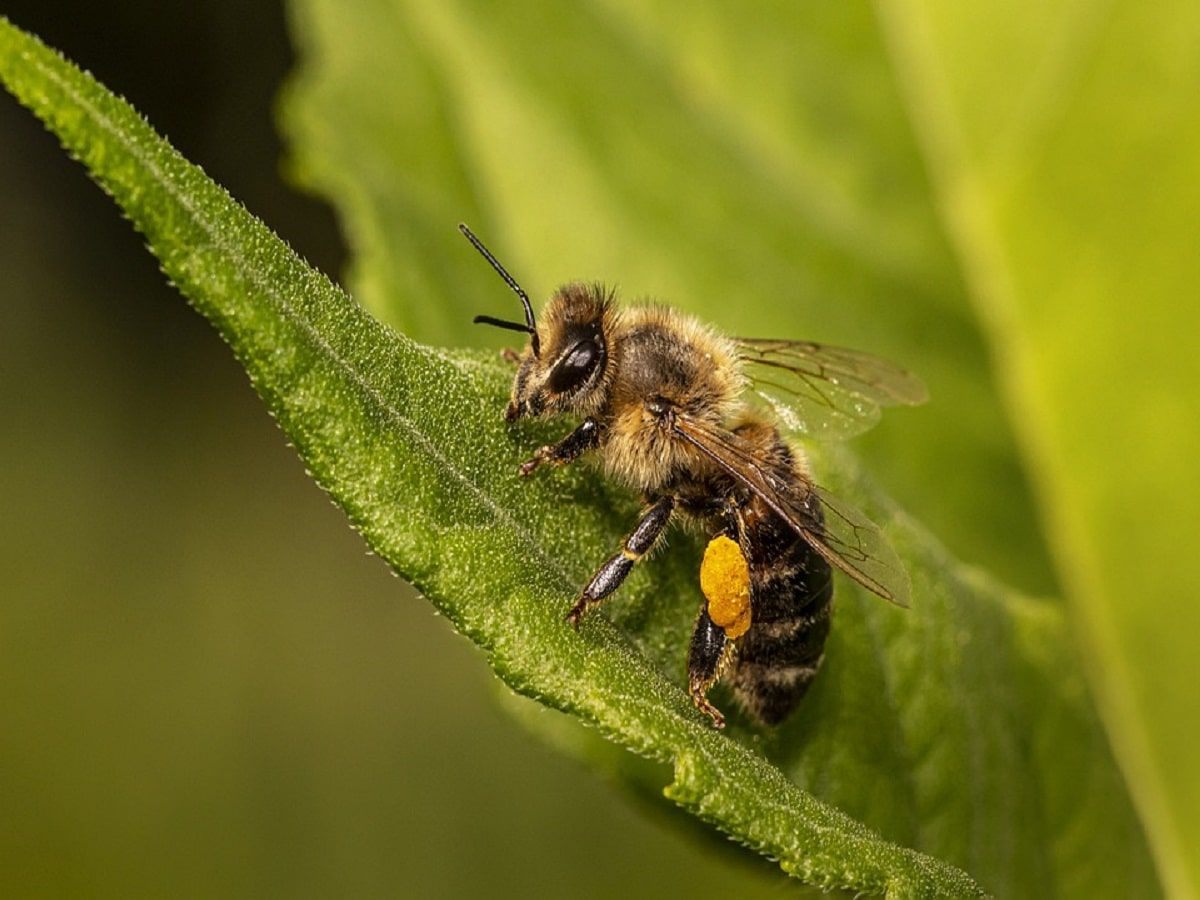
Scientists Observe Hemp Extracts Delaying The Aging Process In Honey Bees

Getting older stops being fun at some point. At least, I know that was the case for me. When you are younger you can’t wait to get old enough to go to school, or old enough to get a bike, or old enough to drive, or old enough to go to bars/dispensaries, etc.

But at some point aging becomes burdensome. Stuff starts to hurt that didn’t, hair stops growing in some places and starts growing in other places, and you aren’t able to do some of the physical things that you used to. For the physical things that you can still do, you do them slower and everything is sore for much longer afterwards.

Humans try very hard to delay or even try to reverse the aging process. It’s big business too. According to Statista, “in 2020, the global anti-aging market was estimated to be worth about 58.5 billion U.S. dollars. The anti-aging market is estimated to see a compound annual growth rate (CAGR) of seven percent between 2021 and 2026.”

Obviously, not all anti-aging products work. A vast majority of them are nothing more than glorified snake oil that is used to financially prey upon people that want to age slower and live longer. However, there is one thing out there that may possess some promise for anti-aging product seekers – hemp.

Researchers affiliated with the Department of Invertebrate Ecophysiology and Experimental Biology, University of Life Sciences in Lublin, Poland recently explored the relationship between honey bees and the consumption of hemp extracts.

“We examined the effect of hemp extract on the activity of the antioxidant system (catalase, peroxidase, glutathione, superoxide dismutase, and total antioxidant capacity) in the hemolymph of adult honey bees (Apis mellifera).” the researchers stated.

The study involved the researchers dividing the bees into three groups:

  • an experimental group fed with pure sugar syrup with cotton strips soaked with hemp extract put inside the cage
  • an experimental group fed with a mixture of sugar syrup with hemp extract
  • a control group fed with a mixture of sugar and a water–glycerine solution.

The researchers collected hemolymph samples on the 1st day of the study and every following week until all of the bees died. The researchers then examined the deceased bees.

“The activities of all antioxidant enzymes were higher for the experimental groups, compared to those for the control group. The highest antioxidant activities were noted in the group supplemented with cannabis with the use of syringes.” the researchers stated.

“Supplementation with hemp also increased the lifespan of bees in this group compared to that of the bees consuming only sugar syrup (control: 35 days), with 49 and 52 days for groups of cannabis on strips and in syrup, respectively. Hemp extract, thanks to its antioxidant properties, increased the activities of key antioxidant enzymes that protect the bee’s organisms against free radicals and thus delay the aging processes.” the researchers concluded.

Obviously, bees are not the same as humans, so how this applies to the human species is something that needs to be researched before any applicable conclusions can be made. However, the results as they pertain to bees are still very insightful. Hemp extracts are perfectly safe for bees and for humans, so boosting the consumption of hemp extracts in both species is a no-lose situation.

It is no secret that the global bee population is dwindling and that it could lead to catastrophic effects on the world’s ecosystems. Helping bees stay alive longer is always a good thing, and from that perspective, the results of this study are very remarkable and will hopefully be used to effectively help the world’s bee population.

bees, poland

International Cannabis Business Conference

NEWS FROM AROUND THE GLOBE

BROUGHT TO YOU BY THE ICBC

© International Cannabis Chronicle. All rights reserved. Site developed and hosted by Rogue Web Works.